


Akshay Kumar’s ‘Mohra’ to Return to Theatres After 32 Years, Set for November 6 Re-Release
The 1994 action thriller directed by Rajiv Rai will return to cinemas in a 4K remastered version on November 6, bringing its memorable performances, action sequences and hit soundtrack back to the big screen.
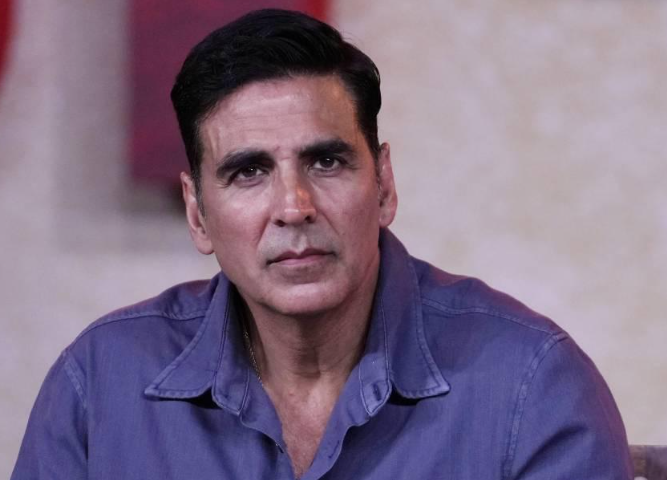
MUMBAI, Oct 26: Bollywood’s celebrated action thriller Mohra is preparing for a return to cinemas more than three decades after its original release. The 1994 film, starring Akshay Kumar, Suniel Shetty and Raveena Tandon, is scheduled to arrive in theatres again on November 6 in a 4K remastered version.
The re-release announcement has renewed interest in one of the notable Hindi commercial films of the 1990s. Directed by Rajiv Rai, Mohra combined action, crime, revenge and a complex narrative involving a convicted prisoner drawn into a larger scheme.
The film is also remembered for its popular music and the performances of its principal cast. Its return to theatres offers audiences who watched it during its original run an opportunity to revisit the film, while younger moviegoers can experience the production on the big screen for the first time.
The planned re-release comes at a time when older Hindi films are receiving renewed attention through theatrical screenings, restored editions and digital platforms. The November 6 date also places Mohra in the same release window as the much-anticipated Ramayana, starring Ranbir Kapoor and Yash, setting up an interesting contrast between a 1990s action classic and a major contemporary production.
A defining action thriller of the 1990s
Released in 1994, Mohra was built around a crime-and-revenge narrative that brought together several familiar elements of mainstream Hindi cinema. Its story followed a convicted prisoner whose circumstances led him into a complicated arrangement involving justice, manipulation and revenge.
The film drew on the action genre while incorporating suspense, emotional conflict and commercial entertainment. This combination helped it appeal to viewers looking for an engaging story supported by dramatic performances and memorable music.
Akshay Kumar and Suniel Shetty were among the film’s principal attractions. Their performances formed an important part of the film’s action-driven identity, while Raveena Tandon contributed to its romantic and dramatic elements.
The film’s supporting cast further strengthened its ensemble. Rather than depending on a single performance, Mohra brought together multiple characters whose relationships and motivations helped move the plot forward.
Its narrative also reflected the commercial filmmaking style of the period, when action, romance, suspense and music frequently occupied prominent places within a single production. The format allowed filmmakers to appeal to different sections of the audience without limiting a film to one genre.
More than 30 years later, the film remains associated with the era’s mainstream action cinema. Its return provides an opportunity to reconsider how those storytelling conventions continue to influence Hindi films.
Why the 4K remastered version matters
The November 6 re-release is planned in a 4K remastered format, offering an updated presentation of the 1994 production.
Remastering can improve the viewing experience by enhancing picture clarity and restoring visual details, depending on the condition of the original materials and the restoration process. A higher-resolution presentation may also allow viewers to appreciate elements of the cinematography, production design and action sequences that were less apparent in older formats.
The soundtrack is another important part of the film’s appeal. Mohra produced several widely recognised songs, helping it maintain a place in discussions of Hindi film music from the 1990s.
Among its best-known tracks is Tu Cheez Badi Hai Mast Mast, which became closely associated with the film and its lead performers. The soundtrack also contributed to the film’s broader commercial identity, illustrating how music could play a major role in a movie’s popularity.
For viewers who remember the film from its original theatrical run, the restored presentation may provide a sense of nostalgia. For younger audiences, it offers a chance to encounter the film outside television broadcasts or home viewing.
The experience of watching an older production in a cinema can differ significantly from viewing it on a smaller screen. Its sound design, musical sequences and action scenes can take on a different impact when presented in a theatre environment.
The quality of the remaster and the availability of screenings across locations will be important factors in determining how widely audiences can experience the re-release.
Akshay Kumar, Suniel Shetty and Raveena Tandon’s enduring appeal
The film’s principal cast remains an important part of its appeal. Akshay Kumar went on to build a long career across action, comedy, drama and social-themed films, becoming one of Hindi cinema’s most recognisable stars.
Suniel Shetty also developed a strong association with action-oriented roles, while appearing in comedies and dramas throughout his career. His screen presence in films of the period helped establish him among the prominent performers in mainstream Hindi cinema.
Raveena Tandon, meanwhile, became widely known for her performances in commercial films and for songs that remain familiar to audiences who grew up watching 1990s Bollywood productions.
The return of Mohra brings these performances together again in a film that belongs to an earlier phase of their careers. It also provides a reminder of how actors’ screen identities develop over time and how earlier projects can remain relevant to their public profiles.
For audiences, revisiting a film from the past can be about more than the story itself. Music, costumes, dialogue and familiar scenes can evoke memories of a particular period in popular culture.
The re-release also creates an opportunity for a new generation of viewers to assess the film independently of its reputation. Younger audiences may approach its action sequences, editing style and narrative conventions differently from viewers who first saw it in the 1990s.
That difference in perspective can be part of the attraction of restoring older films for theatrical exhibition.
Nostalgia returns to the big screen
Theatrical re-releases have become a way for distributors and film producers to bring established titles back into public conversation. Older films can attract audiences through their cultural importance, memorable performances, popular soundtracks or the opportunity to see a familiar story in a cinema.
For some moviegoers, nostalgia is the main draw. For others, a restored screening provides an introduction to a film they may have heard about but never watched in its original format.
The success of such releases depends on several factors, including the film’s lasting recognition, the number of screens allocated to it, ticket prices, local demand and competition from new releases.
A re-release also faces a different commercial environment from a film opening for the first time. Audiences may already know the plot and songs, meaning the theatrical experience itself must provide a compelling reason to purchase a ticket.
The 4K presentation could be one of the attractions for Mohra, although its commercial performance will become clearer only after its release.
The film’s return also reflects a broader interest in revisiting older titles at a time when viewers have access to entertainment through cinemas, streaming services and television. A theatrical run offers a different form of engagement by allowing audiences to experience the film collectively.
A release-window contrast with ‘Ramayana’
The November 6 date places Mohra in the release window of Ramayana, starring Ranbir Kapoor and Yash. The two productions represent different periods and approaches to Hindi cinema.
While Mohra is a familiar action thriller from 1994, Ramayana is an upcoming large-scale mythological film that has attracted attention ahead of its release. Their presence in the same release window creates a contrast between revisiting an established title and anticipating a new cinematic interpretation of a traditional epic.
However, the two films are likely to appeal to audiences for different reasons. Mohra relies on recognition, nostalgia and the appeal of its original cast, whereas Ramayana has generated interest through its scale, performers and subject matter.
The comparison also highlights the varied ways in which the film industry seeks to attract audiences. New productions offer fresh stories and contemporary filmmaking techniques, while re-releases can give established films another opportunity to find viewers.
The availability of screens and audience preferences will influence how the two titles perform during the period. It remains too early to draw conclusions about their eventual box-office results.
What audiences should know
The reported theatrical return of Mohra is scheduled for November 6, 2026, in a 4K remastered version. The film stars Akshay Kumar, Suniel Shetty and Raveena Tandon and was directed by Rajiv Rai.
Its combination of action, crime, revenge and popular music helped make it a notable title from the 1990s. The upcoming re-release gives fans an opportunity to revisit the film and introduces its theatrical experience to younger viewers.
Further information about screening locations, showtimes and ticket availability will be relevant for audiences planning to watch it. The breadth of its theatrical distribution will also help determine how accessible the re-release is to moviegoers in different cities.
Ultimately, the film’s return is both a nostalgic event and a fresh test of the enduring appeal of older Bollywood productions. Whether it attracts a substantial theatrical audience will depend on interest in the original film, the remastered presentation and competition from other releases.
For now, Mohra is preparing to bring its familiar blend of action, suspense and music back to cinemas, offering a reminder of a period when commercial Hindi films often brought several entertainment elements together in a single story.

