


Andy Burnham’s Leadership Likely to Keep India-UK Ties on a Stable Path
Strategic experts expect policy continuity on India, with the new British prime minister likely to deepen cooperation in trade, investment, defence, innovation and regional partnerships following the implementation of the Comprehensive Economic and Trade Agreement (CETA).
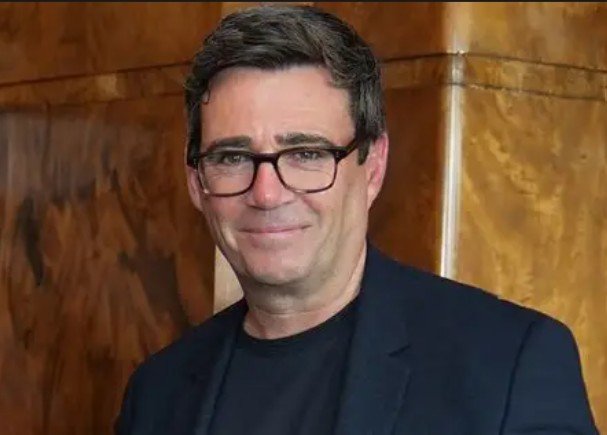
LONDON, July 19: The India-United Kingdom relationship is expected to remain one of the strongest pillars of Britain’s foreign policy as Andy Burnham prepares to assume office as the country’s new Prime Minister. Foreign policy analysts, diplomats, business leaders and members of the Indian diaspora believe that the bilateral partnership will not only continue but could expand into new areas of economic, technological and strategic cooperation.
Burnham’s appointment comes at a significant moment in India-UK relations. His election as the new leader of the Labour Party coincides with the implementation of the Comprehensive Economic and Trade Agreement (CETA), a landmark pact designed to enhance trade, investment and economic collaboration between the two nations.
The agreement is widely viewed as opening a new chapter in bilateral ties, providing businesses from both countries with improved market access and creating fresh opportunities across manufacturing, services, technology and innovation.
Leadership Transition Marks a New Phase
Andy Burnham, 56, was elected unopposed as Labour Party leader and is scheduled to formally succeed Keir Starmer after completing the constitutional transfer of power at Downing Street.
Although Burnham has outlined a domestic agenda focused on regional development, economic reform and public services, observers believe Britain’s relationship with India will remain a strategic priority.
Political analysts note that relations between New Delhi and London have reached one of their strongest points in recent years, making continuity the most likely outcome under the incoming administration.
India’s Manchester Mission Reflects Growing Regional Cooperation
Indian diplomatic representatives in northern England believe Burnham’s long-standing engagement with India provides a solid foundation for future collaboration.
Vishakha Yaduvanshi, Consul General of India in Manchester, highlighted the growing partnership between India and northern England, describing the opening of India’s Manchester Consulate as a milestone in expanding regional engagement.
She noted that Greater Manchester possesses significant strengths in advanced manufacturing, education, healthcare, research, sports and innovation, making it an increasingly important destination for Indian businesses and institutions.
According to Yaduvanshi, Burnham has consistently supported initiatives that strengthen economic and cultural exchanges between India and the region.
Long-Term Commitment to India
Experts point out that Burnham’s interest in India extends back several years.
His visit to India included meetings across Mumbai, Bengaluru and Delhi, where he explored opportunities in technology, urban development, investment and innovation.
He has also maintained regular engagement with Indian diplomatic representatives and business organisations while supporting forums designed to enhance collaboration between India and northern England.
His participation in economic summits focusing on India has further reinforced his reputation as a political leader committed to building enduring partnerships rather than pursuing short-term diplomatic initiatives.
Expanding Economic Opportunities
During previous interactions with Indian businesses and policymakers, Burnham identified India as one of Greater Manchester’s most important international partners.
He has repeatedly highlighted sectors where collaboration could generate long-term growth, including:
Digital technology
Artificial intelligence
Advanced manufacturing
Engineering
Healthcare
Higher education
Tourism
Sports
Cultural exchanges
Industry observers believe these sectors are likely to remain central to bilateral cooperation under his leadership.
Business Leaders Welcome Continuity
Rajesh Agrawal, Chair of Labour Friends of India, believes Burnham’s leadership style is well suited to strengthening ties with India.
Having worked closely with Burnham in previous public roles, Agrawal said the incoming Prime Minister values long-term partnerships and understands the importance of sustained economic engagement.
He also believes Burnham’s emphasis on empowering regional governments aligns naturally with India’s federal structure, creating opportunities for greater cooperation between British city regions and Indian states.
Such partnerships could include direct collaboration in urban planning, clean energy, transport infrastructure, education and investment promotion.
Defence Cooperation Likely to Receive Greater Attention
Security experts believe India and the United Kingdom are entering a period of deeper strategic engagement.
Rahul Roy-Chaudhury, Senior Fellow for South Asia at the International Institute for Strategic Studies (IISS), said bilateral relations are currently at their strongest level in more than a decade.
He argued that Burnham now has an opportunity to build upon recent progress by expanding defence cooperation alongside economic ties.
According to strategic analysts, India continues to modernise its armed forces while diversifying defence partnerships with trusted international partners.
The United Kingdom is expected to play an increasingly important role through defence manufacturing, technology sharing, maritime cooperation and research partnerships.
Think Tank Calls for Dedicated India Strategy
Policy experts believe the new government should institutionalise Britain’s India engagement to ensure sustained progress.
The 1928 Institute, a British Indian think tank, suggested creating a dedicated India Task Force or appointing a specialised India Trade Envoy.
Chairperson Dr Nikita Ved said Burnham inherits a strong bilateral relationship but warned that domestic priorities could limit the government’s attention unless dedicated mechanisms are established.
Such initiatives could help maintain momentum in trade negotiations, investment promotion and strategic cooperation while ensuring regular policy coordination between London and New Delhi.
Stability Could Encourage Investment
Business leaders also stressed the importance of political stability following years of leadership changes in Britain.
Lord Karan Bilimoria, entrepreneur and co-chair of the India All Party Parliamentary Group, expressed optimism that Burnham’s administration would provide a more predictable political environment for investors.
He said businesses require long-term policy certainty before making major investment decisions.
Bilimoria believes stronger economic confidence could significantly increase bilateral trade over the coming years.
He also expressed hope that commercial exchanges between the two countries could eventually double, creating employment opportunities and encouraging greater private-sector investment.
Trade Agreement Opens Fresh Possibilities
The implementation of the Comprehensive Economic and Trade Agreement represents one of the biggest achievements in India-UK economic relations.
Economists expect the agreement to:
Reduce trade barriers.
Increase exports from both countries.
Encourage manufacturing partnerships.
Expand investment flows.
Improve market access for services.
Strengthen supply chain cooperation.
Promote technology transfers.
Support startups and innovation.
Experts believe small and medium-sized enterprises stand to benefit significantly as new commercial opportunities emerge.
Innovation and Research to Gain Momentum
Technology entrepreneur and House of Lords member Uday Nagaraju believes the next phase of bilateral relations will focus on translating policy agreements into measurable economic outcomes.
He expects greater collaboration in research, innovation, infrastructure development and workforce skills.
According to Nagaraju, Burnham’s experience promoting regional economic development could help create stronger partnerships between universities, businesses and innovation ecosystems in both countries.
Such cooperation could accelerate joint research projects in emerging technologies, clean energy, digital infrastructure and advanced manufacturing.
Regional Partnerships Becoming More Important
Analysts increasingly view regional diplomacy as an important element of modern international relations.
Rather than relying solely on national governments, cities, universities and local authorities are now playing a larger role in promoting investment and innovation.
Greater Manchester’s growing relationship with Indian states illustrates how regional partnerships can complement national diplomatic efforts.
Experts believe Burnham’s experience as Mayor of Greater Manchester gives him a practical understanding of these opportunities, which could further strengthen people-to-people and business connections.
Positive Outlook for Bilateral Relations
Foreign policy observers agree that India’s importance within Britain’s international strategy is likely to increase rather than diminish under the new administration.
The combination of a recently implemented trade agreement, expanding strategic cooperation, growing educational partnerships and increasing business investment provides a strong platform for future collaboration.
While Burnham is expected to pursue his own domestic priorities, analysts believe his government will preserve the momentum built in recent years and seek to translate diplomatic goodwill into tangible economic and strategic outcomes.
As both countries continue to deepen engagement across trade, defence, technology, education and innovation, the India-UK partnership appears well positioned for sustained growth in the years ahead.

