


Asia’s LNG Demand Rebounds as Energy Buyers Adapt to Hormuz Disruptions
China and other major importers increase purchases while energy markets adjust to supply shocks caused by months of regional conflict.
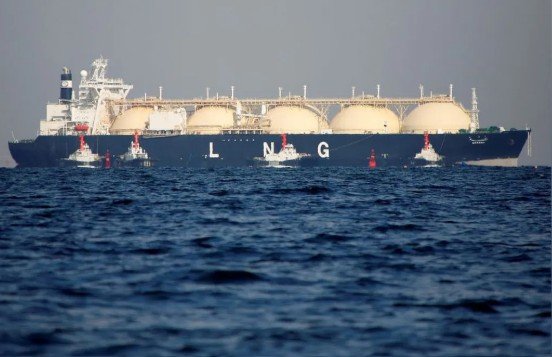
Singapore, June 9: Asian energy markets are showing signs of recovery as liquefied natural gas (LNG) demand rebounds following months of disruptions linked to the conflict in the Middle East and restrictions affecting the Strait of Hormuz.
Fresh trade data and industry estimates indicate that major Asian economies have intensified LNG purchases during June, reflecting efforts by governments and energy companies to secure supplies amid continuing uncertainty in global energy markets.
The latest recovery comes after one of the most challenging periods for global energy supply chains in recent years. The conflict involving Iran and its impact on shipping routes created significant disruptions, forcing importers across Asia to seek alternative sources of fuel and adjust procurement strategies.
Industry analysts estimate that LNG imports across Asia are set to reach their highest level in several months, highlighting the resilience of regional energy demand despite elevated prices and ongoing geopolitical risks.
China has emerged as a major driver of the rebound. The world’s largest LNG importer has increased purchases as industrial activity strengthens and energy companies move to rebuild inventories. Analysts say Chinese buyers have become more active in securing cargoes after earlier adopting a cautious approach due to price volatility.
Japan, another major LNG consumer, has also stepped up imports as utilities seek to ensure adequate fuel supplies for power generation. Energy security concerns have encouraged buyers to maintain higher inventory levels while uncertainty surrounding shipping routes persists.
The recovery in LNG demand is particularly significant because it follows a period of severe market disruption. Earlier this year, fears of prolonged interruptions to energy shipments triggered sharp increases in global gas prices, raising concerns about supply shortages and inflationary pressures across importing nations.
India was among the countries most affected by the supply shock. Higher LNG prices increased costs for industries dependent on imported gas, forcing companies to reassess procurement strategies and seek alternative energy sources where possible. Recent improvements in supply availability have provided some relief, although prices remain above historical averages.
Energy experts note that Asian buyers have demonstrated remarkable flexibility in adapting to changing market conditions. Companies have diversified supply sources, expanded long-term procurement agreements and explored new trading routes to reduce dependence on any single region.
Meanwhile, global LNG trade patterns continue to evolve. The United States remains an important supplier to international markets, though shipment flows have shifted in response to changing demand patterns and logistical considerations. Some cargoes previously destined for Asia have been redirected to Europe, while Asian buyers have increased purchases from alternative exporting nations.
The broader energy market remains closely linked to developments surrounding the Strait of Hormuz. The strategic waterway handles a significant share of global oil and gas exports, making it one of the world’s most important energy transit routes. Any disruption has immediate consequences for commodity prices, shipping costs and global trade flows.
Despite ongoing challenges, several analysts believe the worst of the supply shock may be over. Forecasts from industry observers suggest that once normal shipping activity resumes, global energy markets could gradually move back toward balance. Some projections even indicate the possibility of oversupply conditions returning later in the year as production increases and logistical bottlenecks ease.
However, uncertainty remains high. Energy traders continue to monitor geopolitical developments closely, recognizing that even minor disruptions can have outsized effects on pricing and availability. Shipping insurance costs, freight rates and security concerns remain elevated compared to pre-conflict levels.
The rebound in LNG demand also highlights the growing importance of natural gas in Asia’s energy transition strategy. Many governments view LNG as a bridge fuel capable of supporting economic growth while helping reduce dependence on more carbon-intensive energy sources.
As economies continue to expand and electricity demand rises, securing reliable gas supplies has become a priority for policymakers across the region. Investments in import terminals, storage facilities and distribution infrastructure have accelerated in recent years as countries seek to strengthen energy resilience.
Looking ahead, market participants expect demand growth to remain robust, particularly in fast-growing economies where industrialization and urbanization continue to drive energy consumption. Long-term forecasts suggest that Asia will remain the dominant force in global LNG markets for years to come.
For businesses, the evolving energy landscape presents both opportunities and challenges. Companies involved in LNG production, transportation and infrastructure development stand to benefit from rising demand, while energy-intensive industries must navigate the risks associated with price volatility and supply uncertainty.
The coming months will be crucial in determining the trajectory of global energy markets. Much will depend on geopolitical developments, production trends and the pace at which disrupted supply chains return to normal operations.
As June progresses, investors, policymakers and industry leaders will continue to watch LNG trade flows closely. The sector’s recovery offers an important signal that Asian economies are adapting to extraordinary market conditions, even as broader geopolitical uncertainties continue to shape the global business environment.

