


Bela Tarr, ‘Satantango’ Director and Slow Cinema Pioneer, Dies at 70
Veteran Hungarian filmmaker celebrated for his meditative, visually striking films leaves a lasting legacy in world cinema
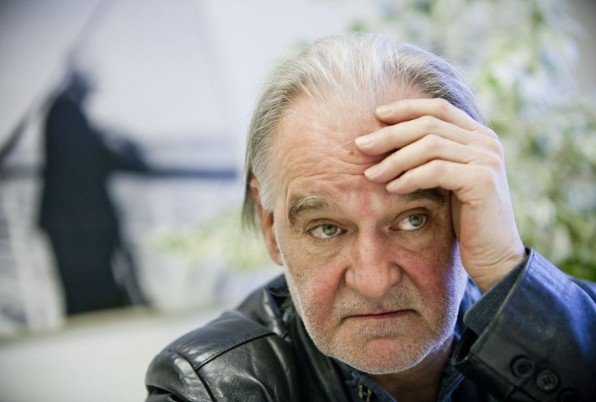
Budapest / Jan 7: The world of cinema has lost one of its most distinctive voices. Bela Tarr, the Hungarian director renowned for the epic film ‘Satantango’ and a pioneer of slow cinema, passed away at the age of 70 after a long and serious illness, the European Film Academy confirmed. His family has requested privacy during this difficult time.
A filmmaker who followed his own pace
Tarr was never interested in box office numbers or fast-paced storytelling. Instead, he chose to explore time, silence, and human despair, becoming a leading figure in slow cinema a movement characterized by long takes, minimal dialogue, black and white visuals, and existential storytelling. His films often challenged viewers, but for many, they were transformative experiences.
‘Satantango’: A cinematic marathon
Released in 1994, ‘Satantango’ remains Tarr’s defining work. The seven-and-a-half-hour epic portrays life in a small Hungarian village after the fall of communism, capturing moral collapse, false hopes, and human frailty. Widely regarded as one of the greatest films ever made, it cemented Tarr’s reputation as a master of slow, atmospheric storytelling.
From social realism to existential reflection
Tarr began his career with ‘Family Nest’ (1979), focusing on ordinary lives and social struggles. By the mid-1980s, his films, including ‘Almanac of Fall’ and ‘Damnation’, developed a signature style of slow camera movements, bleak landscapes, and emotionally trapped characters. Later works, such as ‘The Man from London’ (2007) and ‘The Turin Horse’ (2011), reinforced his meditative, existential vision, with Tarr retiring from feature filmmaking afterward, saying he had expressed all he wanted through cinema.
Passing the torch to new filmmakers
Even after retiring, Tarr remained active in nurturing future talent. In 2012, he founded the international film school film.factory in Sarajevo, guiding students in unconventional, boundary-pushing approaches to filmmaking. He continued to explore innovative projects, including the 2019 site-specific performance ‘Missing People’ in Vienna, working with homeless participants.
The European Film Academy praised Tarr as a powerful artistic voice with strong political convictions, whose films, though slow in pace, left a deep and enduring impact on audiences and peers worldwide.
Bela Tarr’s work will be remembered as a profound meditation on time, human existence, and the power of cinema to slow us down and make us reflect.

