


BRICS Adopts Landmark Declaration as PM Modi Urges End to ‘Pyramid of Privilege’ in Global Governance
Prime Minister Narendra Modi calls for replacing the global ‘pyramid of privilege’ with a partnership-based system while proposing a 10-point reform roadmap
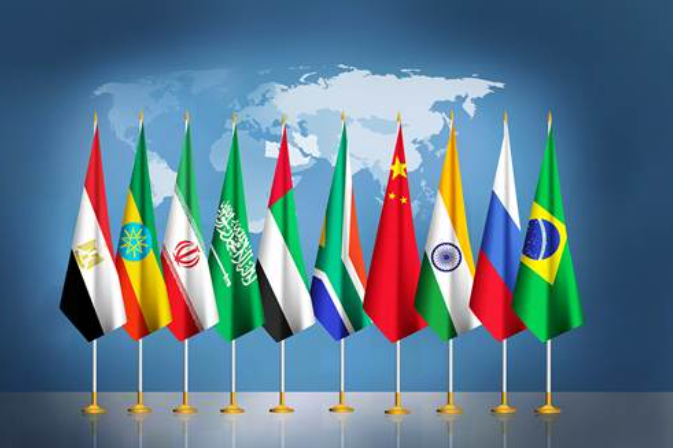
NEW DELHI, Sep 12: The BRICS grouping on Saturday unanimously adopted the New Delhi Declaration after India successfully navigated differences among member nations over the escalating West Asia conflict, marking a significant diplomatic achievement for the host country.
Addressing the opening session of the two day summit, Prime Minister Narendra Modi called for a major transformation of the global governance system, saying the Global South should move from being affected by international decisions to actively shaping the rules that govern them.
Modi described the existing global system as a “pyramid of privilege”, where decision-making power remains concentrated among a limited number of countries. He called for this structure to be transformed into a “platform of partnership” based on equal participation and shared interests.
“Today, the Global South stands in the front row of global crises but in the back row of decision-making,” Modi said.
He proposed that BRICS jointly prepare a 10-point roadmap for reforming global governance. The plan, he said, should focus on three major areas representation, responsiveness and rule making and should be finalised before the next BRICS summit.
The summit brought together several prominent leaders, including Russian President Vladimir Putin, Chinese President Xi Jinping, Iranian President Masoud Pezeshkian and Abu Dhabi Crown Prince Mohamed bin Zayed Al Nahyan.
The meeting took place amid growing geopolitical tensions linked to the Russia-Ukraine conflict, instability in West Asia and changing global trade policies, including new tariff measures imposed by the United States.
With 11 member countries, BRICS represents nearly half of the world’s population and accounts for a substantial share of global economic output and trade. India, which holds the chair, has placed the concerns of developing countries at the centre of its agenda, particularly issues related to food, energy and supply-chain security.
The adoption of the declaration assumed particular importance because of differences between the United Arab Emirates and Iran over the West Asia conflict. As the grouping operates largely on consensus, there had been concerns that disagreements could prevent the leaders from reaching an agreement on the document.
The final declaration avoided direct references to US strikes on Iran and Iranian attacks on Gulf Arab countries. It also stopped short of directly criticising Russia over its war in Ukraine.
However, the document strongly criticised the continuing violence in Gaza and reaffirmed support for the aspirations of the Palestinian people.
The grouping also expressed concern over trade restrictive measures, including tariffs and non-tariff barriers, warning that protectionist policies could weaken international trade, disrupt supply chains and deepen existing economic inequalities.
BRICS further opposed unilateral sanctions and coercive measures that it said were inconsistent with international law, a position viewed as criticism of Western sanctions imposed on Russia.
The leaders backed efforts to resolve the West Asia crisis through dialogue and diplomacy while stressing the importance of maintaining uninterrupted global trade, energy supplies and supply chains in accordance with international law.
Terrorism also featured prominently in the declaration. BRICS reaffirmed its commitment to zero tolerance towards terrorism and called for an end to double standards in tackling the threat.
The grouping condemned in the strongest terms last year’s Pahalgam terror attack in Jammu and Kashmir, in which 26 people were killed.
Modi also highlighted the contribution of seafarers to international commerce and proposed the creation of a “Seafarers’ Emergency Support Network” to provide assistance to sailors caught in conflict situations.
The proposed mechanism would link maritime authorities and diplomatic missions to help coordinate distress responses, medical assistance, family communication and emergency evacuations.
India has previously raised concerns over the safety of its seafarers amid the West Asia conflict, particularly following attacks on commercial shipping near the Strait of Hormuz. Several Indian sailors have been among those killed in the regional violence.
The declaration also called for reforms in the United Nations and supported greater representation in the international system, including the possibility of a woman serving as UN secretary general.
On the sidelines of the summit, Modi held bilateral discussions with several leaders, including Chinese President Xi Jinping, Malaysian Prime Minister Anwar Ibrahim and Abu Dhabi Crown Prince Mohamed bin Zayed Al Nahyan.
During his meeting with Xi, Modi stressed that maintaining peace and tranquillity along the Line of Actual Control remains essential for the continued development of India-China relations.
The two leaders agreed on the importance of taking a strategic and long-term approach to bilateral ties and maintaining the understanding that differences should not be allowed to turn into disputes.

