


Building Bridges Across Communities
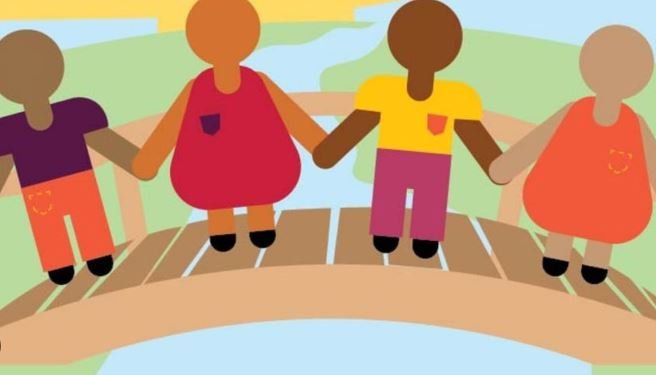
Jammu and Kashmir’s social strength has always rested in its ability to accommodate diversity, preserve shared traditions, and allow different communities to live within a common cultural space. Yet harmony is never automatic. It requires care, restraint, fairness, and sustained public engagement. In a region that has experienced conflict, mistrust and social strain, the value of meaningful dialogue becomes even greater.
The Mulaqat programme in Pulwama is important because it recognizes a simple truth: people understand one another better when they meet, listen and speak without prejudice. Dialogue cannot erase every difference, nor should it. Its purpose is to ensure that differences do not become permanent divisions. Lieutenant Governor Manoj Sinha’s emphasis on mutual trust, respect for all faiths and youth participation is therefore relevant. But such ideas will have lasting meaning only when they become part of everyday civic life. Interfaith understanding cannot remain confined to occasional programmes, official speeches or symbolic gatherings. It must find space in schools, colleges, neighbourhoods, community centres and local institutions. The focus on young people is especially significant. Today’s youth are exposed to an enormous flow of information, much of it unverified, emotional or deliberately provocative. A misleading post, a manipulated video or an inflammatory message can deepen mistrust within hours. This makes digital literacy, critical thinking and responsible citizenship essential parts of peacebuilding. Young people should also be given a more active role. The proposal for Youth Peace Ambassadors can work well if it moves beyond ceremonial titles. Youth can lead cultural exchanges, environmental drives, heritage conservation, volunteer work and community service. When people from different backgrounds work together on common problems, trust develops naturally. The preservation of shared heritage also deserves greater attention. Religious, cultural and historical sites across Jammu and Kashmir should be understood as part of a larger collective inheritance. Their protection can become a powerful form of social cooperation, particularly when communities participate jointly in conservation and public awareness. However, dialogue alone cannot sustain peace. Social harmony is closely linked with justice, opportunity and confidence in institutions. People are more likely to trust society when they feel that education, employment, healthcare, welfare and justice are available fairly. If discrimination, exclusion or administrative indifference are allowed to persist, even the best dialogue initiatives will struggle to create lasting confidence. The proposed Village Peace Committees can be useful, but their credibility will depend entirely on how they are constituted. They should include respected local voices, women, youth, community representatives and individuals known for balanced conduct. They must not become political extensions or formal committees that exist only on paper. Civil society and religious leaders also carry a responsibility that cannot be ignored. Their language matters. At moments of tension, a responsible statement can calm fears, while careless rhetoric can deepen suspicion. Leadership must therefore be measured not merely by influence, but by the ability to protect social peace. The administration, too, must ensure that harmony is supported by good governance. Equal treatment, transparent implementation of welfare schemes, responsive grievance mechanisms and visible fairness can strengthen trust far more effectively than slogans. The Mulaqat programme deserves appreciation because it creates a space for conversation and reminds society that peace begins with understanding. But its deeper value will emerge only if such engagement continues throughout the year.
Jammu and Kashmir does not need a society in which everyone thinks alike. It needs one in which people can disagree without hostility, preserve their identities without fear, and work together without suspicion. That is the real meaning of coexistence. If dialogue is supported by justice, responsible leadership, youth participation and fair institutions, it can become more than a programme. It can become part of the social character of Jammu and Kashmir. Finally, the administration should develop district-level social cohesion indicators, support independent research on community relations, create rapid-response mediation teams for sensitive situations, encourage multilingual public communication and periodically evaluate harmony initiatives through measurable outcomes. Transparent assessments, community feedback and evidence-based policy adjustments can make peacebuilding more credible, responsive and effective across Jammu and Kashmir.

