


CBSE Revises Class 9 Curriculum, Makes Vocational Education Compulsory
The revised 2026-27 framework introduces mandatory vocational learning and clarifies academic and assessment requirements for students moving towards the 2027-28 Class 10 board examinations.
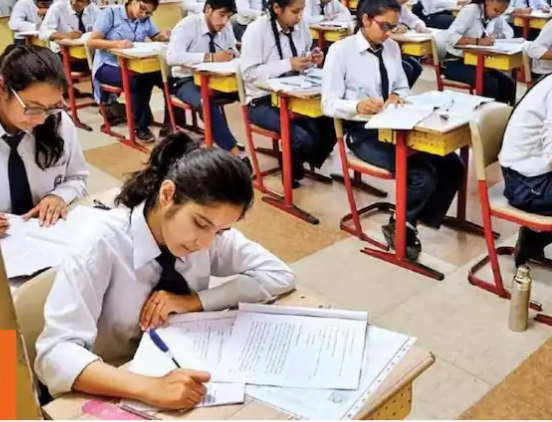
Mumbai : The Central Board of Secondary Education (CBSE) has revised its Scheme of Studies for Class 9 for the 2026-27 academic session, placing greater emphasis on vocational education and clarifying subject requirements, assessment procedures and the structure of the Class 10 board examinations scheduled for 2027-28.
The revision is an important development in the school education system as the board seeks to strengthen practical learning and provide students with greater exposure to skills that can be applied beyond traditional classroom settings.
According to the revised framework, vocational education will form a compulsory component of the Class 9 curriculum. The move is aimed at familiarising students with different professional fields at an early stage and helping them understand the importance of practical knowledge alongside academic subjects.
The changes are also expected to encourage schools to expand their approach to teaching by incorporating skill-oriented activities into the regular academic programme. Instead of limiting education to textbook-based learning, the revised structure seeks to provide students with opportunities to understand how classroom concepts relate to everyday situations and workplace requirements.
CBSE’s decision comes amid a broader national effort to make school education more flexible, multidisciplinary and employment-oriented. The National Education Policy 2020 has repeatedly emphasised the importance of vocational exposure, experiential learning and the development of practical competencies among schoolchildren.
Greater emphasis on practical learning
The inclusion of vocational education as a compulsory component represents a significant shift in the way students will experience secondary-level schooling.
Traditionally, many students have focused primarily on academic subjects, with vocational courses often receiving limited attention. The revised arrangement is intended to address this gap by introducing practical learning as an integral part of the educational experience.
Vocational exposure can help students become familiar with areas such as technology, business-related activities, applied sciences, creative industries and other skill-based disciplines. Such exposure may also help them identify their interests and strengths before making important decisions about their higher secondary education.
The approach is particularly relevant in a rapidly changing employment environment where employers increasingly look for a combination of academic qualifications, technical understanding, communication abilities and problem-solving skills.
By introducing skill-based learning during the school years, the board is seeking to build a stronger foundation for students who may later pursue professional training, technical education or university programmes.
Clarification of subject requirements
The revised Scheme of Studies also provides greater clarity regarding subject requirements for Class 9 students. A clear understanding of compulsory and optional subjects is important for students, parents and schools as they prepare academic schedules for the new session.
The board’s updated framework is expected to help institutions organise teaching hours, allocate resources and ensure that students meet the prescribed academic requirements.
Schools will also need to familiarise teachers and parents with the revised provisions so that students can make informed decisions about their subject combinations and learning priorities.
The clarification of assessment arrangements is another important aspect of the revision. Assessment methods play a major role in determining whether students are developing the required knowledge and competencies.
A greater focus on practical and skill-based learning could require schools to pay closer attention to classroom participation, project work and the application of concepts rather than relying exclusively on conventional written examinations.
Class 10 board examination structure
The revised framework also addresses the Class 10 board examination structure for the 2027-28 academic session.
The changes are significant for the current Class 9 batch because these students will move into Class 10 in the next academic year. Understanding the assessment requirements at an early stage will allow schools to plan their teaching strategies and prepare students accordingly.
The board examination system has been undergoing changes aimed at reducing excessive dependence on memorisation and encouraging conceptual understanding. The emphasis is increasingly on whether students can interpret information, apply knowledge and demonstrate an understanding of the subjects they study.
The revised provisions are therefore expected to influence how schools approach academic preparation during the secondary stage.
For students, the changes underline the importance of maintaining consistency throughout the academic year rather than concentrating exclusively on final examinations.
Implementation challenges for schools
While the introduction of compulsory vocational education is expected to broaden learning opportunities, its effective implementation will depend on the preparedness of schools.
Institutions will need suitable learning materials, trained teachers and access to practical resources to ensure that vocational education becomes meaningful rather than another theoretical subject.
Schools in urban areas may have greater access to specialised facilities and external training opportunities, while institutions in rural and remote locations could face difficulties related to infrastructure, staffing and financial resources.
Teacher preparation will be particularly important. Educators will need appropriate guidance to introduce practical activities and connect classroom instruction with real-world applications.
The availability of qualified instructors and suitable partnerships with training institutions or industry organisations could also influence the quality of vocational education offered to students.
Another important consideration will be ensuring that students from different economic backgrounds receive equal opportunities to participate in skill-based activities.
A shift towards future-ready education
The revised CBSE framework reflects the growing recognition that school education must prepare students for more than examinations.
Technological developments, changing employment patterns and the emergence of new professional fields have increased the need for adaptable skills. Students are expected to develop analytical thinking, creativity, communication abilities and practical knowledge alongside academic competence.
Vocational education can contribute to this objective by helping young learners understand different career possibilities and the practical requirements associated with them.
However, the success of the revised scheme will ultimately depend on how effectively schools translate the new provisions into classroom practice.
For parents and students, the immediate priority will be to understand the updated academic requirements and seek clarification from their respective schools regarding the implementation of the revised curriculum.
The changes could mark an important step towards connecting secondary education with practical skills and future career opportunities, provided that institutions receive adequate support and students are given meaningful learning experiences.

