


Centre Accelerates Smart Border Project to Strengthen National Security
Government plans technology-driven security grid as Amit Shah stresses need to prevent infiltration and enhance border management
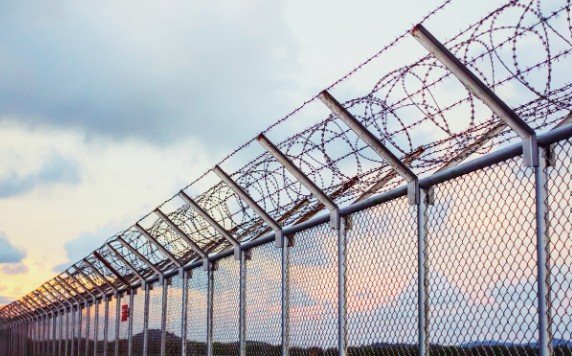
AGARTALA, June 6: The Central Government has intensified efforts to modernize border security infrastructure with the proposed Smart Border Project entering its final stages of planning and implementation. The initiative aims to create a technology-driven security network across vulnerable stretches of India’s international borders, strengthening surveillance and preventing illegal infiltration.
Union Home Minister Amit Shah outlined the government’s vision during his visit to the India-Bangladesh border region in Tripura, where he reviewed security arrangements and interacted with Border Security Force personnel. The visit underscored the Centre’s growing emphasis on deploying advanced technology to address evolving security challenges.
According to officials, the Smart Border Project will integrate modern surveillance systems, drones, sensors, cameras and data driven monitoring mechanisms. These technologies are expected to enhance real-time intelligence gathering and improve the ability of security agencies to detect and respond to suspicious activities along border areas.
India shares thousands of kilometers of international boundaries with neighboring countries, making border management a critical component of national security. Different sectors present unique challenges ranging from difficult terrain and dense forests to riverine stretches and populated border settlements.
The government believes technological solutions can complement traditional security measures and improve operational efficiency. Under the proposed framework, surveillance infrastructure will work alongside personnel deployed on the ground, creating a multi layered defense system.
During his address, Shah emphasized that demographic changes resulting from illegal infiltration would not be tolerated. He stated that efforts were underway to bridge existing gaps in border guarding and ensure more effective monitoring of sensitive regions.
Officials familiar with the project indicated that pilot initiatives would be launched at selected locations before wider implementation. The pilot phase is expected to help authorities assess performance, identify operational challenges and refine technological systems before expanding coverage.
The initiative forms part of a broader strategy aimed at modernizing India’s security infrastructure. Over recent years, several agencies have increased the use of drones, satellite imagery, artificial intelligence and advanced communication systems to strengthen surveillance capabilities.
Border management remains a complex task due to the diverse nature of threats encountered by security agencies. These include illegal migration, human trafficking, narcotics smuggling, arms trafficking and the circulation of counterfeit currency. Security officials argue that emerging technologies can significantly improve the detection and prevention of such activities.
Experts note that smart surveillance systems offer several advantages. Automated monitoring reduces dependence on manual observation, improves response times and allows authorities to analyze large volumes of information more effectively. Integrated command centers can also facilitate coordination among multiple agencies.
The northeastern region has become a key focus area for infrastructure development and security modernization. Government representatives have repeatedly highlighted improvements in connectivity, economic growth and peace initiatives across the region. Enhanced border management is viewed as an important component of that broader transformation.
Security analysts believe the Smart Border Project could become one of the most significant upgrades to India’s border management architecture in recent years. If successfully implemented, the initiative may serve as a model for future modernization efforts in other sectors of national security.
Apart from technological investments, authorities continue to emphasize the importance of community participation. Local residents often play a valuable role by sharing information and assisting agencies in maintaining vigilance in remote areas.
The government has also signaled its intention to strengthen coordination among border forces, intelligence agencies and civil administrations. Improved information-sharing mechanisms are expected to increase the effectiveness of security operations.
As geopolitical and security challenges continue to evolve, policymakers argue that traditional methods alone may not be sufficient to address future threats. The integration of advanced technologies is therefore seen as a necessary step toward building a more resilient security framework.
For India, safeguarding borders remains closely linked to economic stability, social harmony and national sovereignty. The proposed Smart Border Project represents an effort to align security capabilities with modern technological advancements while ensuring greater preparedness for emerging challenges.
With pilot implementation expected in selected locations, the coming months will be closely watched by security experts and policymakers alike. The success of the initiative could shape the future direction of India’s border management strategy and influence how technology is deployed across the national security landscape.

