


Centre Launches Nationwide Preparedness Drive Ahead of Amarnath Yatra and Monsoon Season
Union ministries, security agencies and state administrations coordinate efforts to ensure safety, disaster readiness and uninterrupted public services
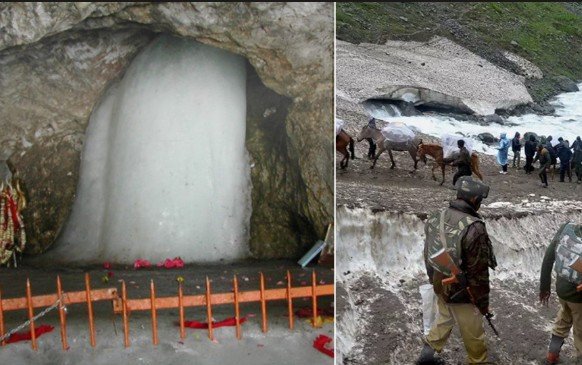
New Delhi, June 23: The Central Government has intensified coordination among security agencies, disaster management authorities and state administrations as India enters a crucial period marked by the annual pilgrimage season and the advance of the southwest monsoon across large parts of the country.
Senior officials from multiple ministries reviewed preparedness measures during a series of meetings held over the past two days. The discussions focused on public safety, disaster response capabilities, transportation management, health services and infrastructure readiness. Authorities stressed the importance of maintaining seamless coordination between the Centre and states to address emerging challenges during the coming weeks.
With the annual Amarnath pilgrimage scheduled to commence soon, security arrangements have been significantly strengthened across Jammu and Kashmir. Security forces have increased surveillance, area domination exercises and route inspections to ensure the smooth conduct of the pilgrimage. Officials said special attention is being paid to vulnerable stretches, transit camps and high-altitude routes leading to the holy cave shrine.
At the same time, disaster management agencies are monitoring weather conditions as the southwest monsoon gathers momentum across several regions. The National Disaster Management Authority and other agencies have advised states to remain prepared for heavy rainfall, flash floods, landslides and waterlogging incidents. Emergency response teams have been placed on standby in vulnerable districts.
Government departments have also been directed to ensure that essential services remain uninterrupted during periods of adverse weather. Power utilities, telecommunications providers, health institutions and public works departments have been instructed to strengthen contingency plans and maintain rapid-response mechanisms.
Officials said special focus is being given to transportation infrastructure, particularly highways, rail networks and airports that may be affected by heavy rainfall. Road maintenance teams have been deployed in landslide-prone regions, while railway authorities are monitoring tracks and bridges to prevent disruptions during the monsoon season.
The Health Ministry has issued advisories to states regarding disease surveillance and emergency medical preparedness. Hospitals have been asked to ensure adequate stocks of medicines, emergency equipment and trained personnel to respond to weather-related emergencies and seasonal illnesses.
Experts note that India’s disaster management framework has undergone significant improvements in recent years, with increased emphasis on early warning systems, inter-agency coordination and technology-driven monitoring. Satellite imagery, weather forecasting models and real-time communication systems are being used extensively to enhance preparedness and response capabilities.
The Centre has also urged state governments to strengthen public awareness campaigns. Citizens have been advised to follow official weather updates, avoid unnecessary travel during severe weather events and cooperate with local authorities during emergencies. Public information systems are being activated to provide timely alerts and safety guidance.
Economic planners believe that effective preparedness measures can help minimise disruptions to agricultural activity, transportation networks and business operations. A proactive approach is expected to reduce losses caused by extreme weather events while ensuring that major public events and pilgrimages proceed smoothly.
Security analysts, meanwhile, have highlighted the importance of maintaining vigilance during large public gatherings. Coordination between intelligence agencies, local police and central security forces is being enhanced to address any potential threats and maintain public confidence.
As India enters a season that combines increased travel, religious gatherings and weather related challenges, authorities remain focused on ensuring safety, resilience and efficient public service delivery. The nationwide preparedness drive reflects the government’s broader objective of strengthening disaster readiness while supporting economic and social activities across the country.
Officials have expressed confidence that with coordinated planning, technological support and public cooperation, the country will be well-positioned to manage seasonal challenges and ensure the safety and well-being of citizens in the weeks ahead.

