


China’s Great Wall Damaged by Illegal Mine Waste Dumping
A Ming-era section in Shanxi province was left with a six-metre gap after mining waste was repeatedly dumped through the historic structure.
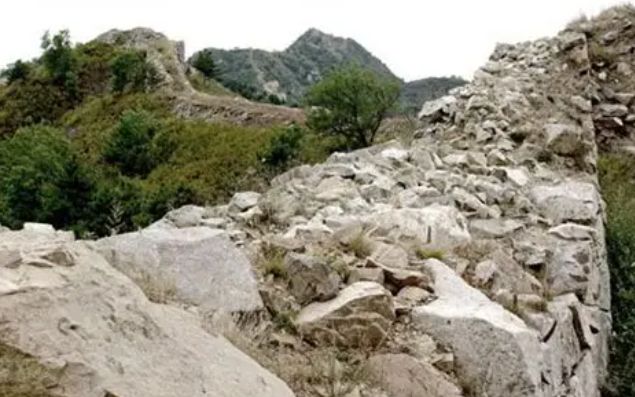
BEIJING, Sept 27: A remote section of China’s Great Wall in Shanxi province has suffered extensive damage after coal mining waste was dumped through the historic structure for nearly two decades, according to official media reports.
The affected stretch is located in Guojiayao, Ningwu county, and dates to the Ming dynasty. State broadcaster CCTV reported that the site was used as a route for disposing of mining slag, despite repeated complaints from whistle-blowers about the damage.
The destruction reportedly began in 2007 when an unlicensed mining company, Ningwu Chaokai Coal Industry, excavated a trench through the wall to dispose of material generated during mining operations.
According to CCTV, authorities received complaints about the activity from 2015 onward but failed to take effective action. As a result, the dumping continued for years and created a gap measuring around six metres in the historic structure.
The incident has raised concerns over the protection of cultural heritage sites in remote areas, where inadequate supervision can leave ancient structures vulnerable to industrial activity.
The Great Wall was built and expanded by successive Chinese dynasties for defensive purposes. Major sections were constructed during the Ming dynasty between 1368 and 1644, forming part of an extensive network stretching across northern China.
Recognised as a UNESCO World Heritage site, the Great Wall is one of China’s most prominent cultural landmarks and attracts visitors from around the world.

