


Chouhan Launches Upgraded NMMS App to Prevent Fake Attendance Under VB-G RAM G
New system introduces AI-based face authentication, offline attendance recording and anti tampering safeguards to prevent fraud while protecting genuine rural workers’ wage entitlements.
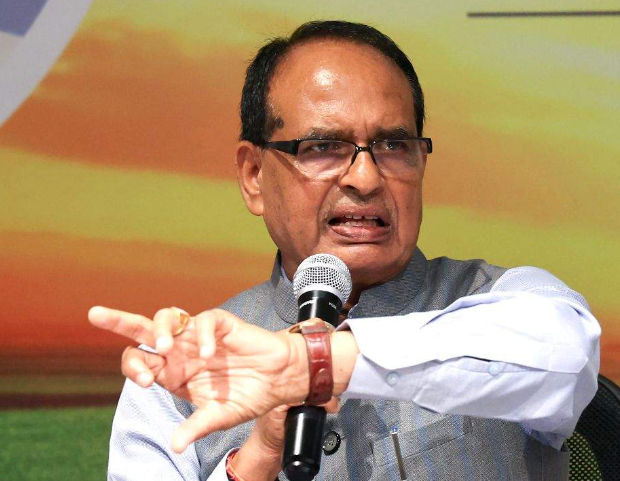
NEW DELHI, Oct 23: Union Rural Development Minister Shivraj Singh Chouhan on Friday launched an upgraded version of the National Mobile Monitoring System (NMMS) application, introducing stronger verification measures to curb fraudulent attendance and irregularities under the VB-G RAM G scheme.
The revamped application features enhanced security protocols, artificial intelligence-powered face verification and an offline attendance facility for worksites in areas with poor or no internet connectivity.
Speaking at a press conference, Chouhan said the government was committed to providing employment to rural workers, safeguarding their wages and ensuring transparent utilisation of public funds.
He emphasised that technological interventions should improve accountability without depriving genuine beneficiaries of their entitlements due to network failures or technical difficulties.
Developed with technical assistance from IIT Madras and other agencies, the upgraded application incorporates device-level security checks, liveness detection and mechanisms to prevent cloning, manipulation and other forms of digital fraud.
The minister said reports of fraudulent attendance entries and wages being claimed in the names of other individuals had highlighted the need for more robust authentication measures.
Face authentication was introduced in March 2026, followed by a security upgrade in the last week of September. The latest version further strengthens these arrangements.
Under the new system, attendance can be recorded offline at worksites and uploaded after connectivity is restored and the muster roll is closed. Special provisions have also been introduced for elderly workers, persons with disabilities and individuals experiencing technical difficulties while using mobile devices.
Chouhan clarified that attendance recorded through the application would not, by itself, determine wage payments. An AI-enabled photo de-duplication mechanism identifies suspicious or repeated photographs, while the processing of wage lists and Fund Transfer Orders remains on hold until flagged entries are verified.
Wage calculations are based on work recorded in electronic measurement books after physical measurements are carried out by technical engineers. Payments are subsequently transferred directly to workers’ bank accounts through the Direct Benefit Transfer mechanism.
“Employment would be provided to those who need it, but corruption and irregularities would not be tolerated,” the minister said.
Providing an overview of the scheme’s progress, Chouhan said nearly 46 crore person-days of employment had been generated since its implementation across rural areas from July 1. More than 3.65 crore workers from 2.89 crore rural households had benefited, with activities undertaken at 31.23 lakh worksites across more than 2.41 lakh gram panchayats.
Approximately 40 crore person-days had been recorded using face authentication, according to the minister. Andhra Pradesh, Karnataka, Kerala, Odisha, Tamil Nadu, Telangana, Chhattisgarh, Rajasthan and Uttarakhand have achieved complete attendance recording through the system.
The Centre has earmarked Rs 95,692 crore for the scheme during the 2026-27 financial year. With contributions from state governments, the overall allocation exceeds Rs 1.51 lakh crore.
Chouhan also reported progress in the generation of Farmer IDs, stating that 10.997 crore IDs had been created nationwide. The country is now approximately 30,000 IDs short of the target of 11 crore set for December 2027.
Rural Development Secretary Rohit Kansal, Joint Secretary Rohini R Bhajibhakre and other senior officials attended the launch.
The upgraded application is intended to strengthen monitoring, reduce fraudulent claims and improve transparency in rural employment programmes while maintaining safeguards for workers who face connectivity or accessibility challenges.

