CID Creator BP Singh Dies at 77; Shivaji Satam and Cast Pay Emotional Tribute to Television Pioneer
The veteran filmmaker behind CID and Aahat died following a heart attack on October 27, leaving colleagues remembering his mentorship, dedication and lasting contribution to Indian television.
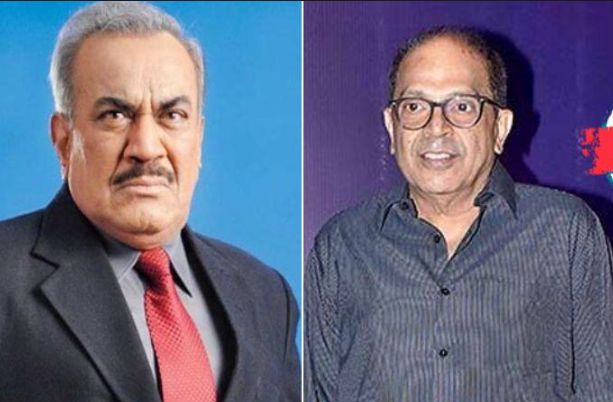
Mumbai, October 29: The Indian television industry is mourning veteran filmmaker Brijendra Pal Singh, popularly known as B. P. Singh, who died at the age of 77 after suffering a massive heart attack on October 27. Best known for creating the long-running crime investigation series CID and the horror show Aahat, Singh leaves behind a legacy that helped shape popular television entertainment in India.
Actors associated with CID, including Shivaji Satam, Dayanand Shetty and Aditya Srivastava, paid their respects to the filmmaker at his funeral in Mumbai on October 28. Their tributes reflected the close relationships Singh developed with the performers and technicians who worked with him over several decades.
Satam, who portrayed the iconic ACP Pradyuman in CID, described Singh as a mentor, friend and an important influence on his professional journey. Remembering their association, the actor said that the filmmaker had taught him how to perform effectively in front of the camera after he began his career in theatre.
Satam also expressed the view that Singh deserved the Padma Shri in recognition of his contribution to Indian television.
The filmmaker’s death has prompted tributes from colleagues and industry organisations, with many recalling his commitment to producing engaging content and his role in bringing crime and suspense dramas into millions of Indian homes.
Shivaji Satam Remembers His Mentor
Satam’s association with Singh was central to the success of CID, which became one of the country’s most recognisable television programmes.
Reflecting on their relationship, the actor described Singh’s passing as the end of a major chapter in his life. He credited the filmmaker with teaching him important aspects of acting for the camera, including how to use expressions, movement and screen presence to make a character more effective.
Satam had arrived in television with experience in theatre, where performance techniques differ from those required for close-up shots and camera-based storytelling. Singh helped him understand how to adjust his acting style for the screen.
The actor’s portrayal of ACP Pradyuman eventually became closely associated with the show’s identity. The character’s investigative approach, distinctive delivery and authority made him a familiar figure among television viewers.
Satam’s tribute highlighted how a producer-director’s contribution can extend beyond developing a programme. Singh helped shape performances, guided actors through demanding production schedules and established a working environment that allowed the cast to remain associated with the series for many years.
The actor also recalled Singh’s commitment to filmmaking, noting that their professional relationship had developed into a close personal bond.
Dayanand Shetty Recalls Singh’s Dedication
Dayanand Shetty, who became widely known for playing Inspector Daya in CID, also remembered Singh as a filmmaker deeply committed to his work.
Shetty said Singh had not been keeping well for some time. He described the producer-director as someone whose life revolved around creating television content and praised his dedication to the craft.
Singh’s contribution to CID was not limited to its storyline or casting. His technical background and experience behind the camera helped establish the show’s visual identity, which relied on investigation sequences, dramatic confrontations and suspenseful storytelling.
Shetty’s recollections reflected the respect Singh commanded among the cast, many of whom spent a substantial part of their careers working on the series.
The show’s popularity also depended on the familiarity viewers developed with its central characters. ACP Pradyuman, Inspector Daya and Inspector Abhijeet became recognisable personalities, with their interactions and investigative methods forming an important part of the programme’s appeal.
Singh’s approach allowed the series to maintain a consistent identity while presenting new cases and characters across numerous episodes.
From Doordarshan to Television Success
Singh’s career began behind the camera. After graduating from the Film and Television Institute of India in Pune, he worked as a news cameraman for Doordarshan.
His early professional experience gave him a technical foundation that later informed his work as a director and producer. He subsequently worked on television projects, including the detective series Ek Shunya Shunya, before developing programmes that would become widely recognised among Indian audiences.
In 1995, Aahat emerged as a major name in television horror. The series initially focused on suspense and thriller narratives before incorporating supernatural stories that helped establish its distinctive appeal.
The show became familiar to viewers who enjoyed mystery, eerie settings and unexpected twists. Its format allowed different stories to unfold across episodes, giving the programme considerable flexibility in its treatment of horror and suspense.
Singh’s success with Aahat demonstrated his ability to identify genres that could attract large audiences through television. At a time when Indian entertainment was expanding beyond a limited number of channels, the series helped establish horror as a commercially viable form of mainstream television programming.
The programme remained a memorable part of Indian television culture, particularly for viewers who grew up watching suspense and horror shows during the 1990s and 2000s.
How CID Became a Television Institution
Singh created CID in 1998, introducing audiences to a crime investigation series centred on a dedicated team of officers solving complex cases.
The show featured Satam as ACP Pradyuman, Aditya Srivastava as Inspector Abhijeet and Shetty as Inspector Daya. Over time, the characters developed strong recognition among viewers, helping the series build a loyal audience.
Unlike programmes designed around short seasonal runs, CID continued for more than two decades. Its longevity reflected the strength of its central concept, the familiarity of its cast and the enduring appeal of crime-solving narratives.
The format allowed the programme to explore different types of cases, including murders, disappearances, suspicious deaths and criminal conspiracies. Each episode typically placed the investigation at the centre of the story, with the team gathering evidence, questioning suspects and identifying the person responsible.
The series also developed memorable dialogue and recurring character interactions that became part of popular culture.
One of its best-known phrases, associated with Daya, became widely recognised among television audiences and was frequently referenced in jokes, online discussions and entertainment programmes.
Singh’s contribution was significant because he helped turn a procedural crime drama into a long-running entertainment property with a distinct identity.
A Notable Technical Achievement
One of CID’s most talked-about production achievements came in 2004, when the team filmed an episode lasting 111 minutes in a single continuous shot.
The production required considerable coordination among actors, camera operators and other members of the technical crew. A long sequence without conventional cuts demands precise timing, carefully planned movement and close attention to continuity.
The episode became a notable example of experimentation in Indian television production and was recorded in the Limca Book of Records, according to reports.
The achievement reflected Singh’s technical background and willingness to pursue challenging production methods.
His experience as a cameraman helped him understand the demands of complex filming arrangements. It also informed his approach to directing, where technical precision had to work alongside the performances and narrative structure.
For the cast and crew, the sequence represented a demanding exercise in coordination. For viewers, it offered a different way of experiencing a familiar crime drama.
The episode remains one of the notable milestones associated with the show’s long history.
Beyond Crime Drama and Horror
Although Singh became most closely associated with CID and Aahat, his career extended beyond those two productions.
His work demonstrated an interest in popular genres that could combine strong storytelling with accessible television entertainment. Crime and horror offered different narrative possibilities, but both relied on suspense, pacing and the ability to hold viewers’ attention.
In a crime drama, the central question is often who committed the offence and how investigators will establish the truth. In horror, suspense develops through uncertainty, atmosphere and the possibility of supernatural events.
Singh’s work in both genres demonstrated his understanding of how television could use recurring formats to build audience familiarity while continuing to offer new stories.
He also served as chairman of the Film and Television Institute of India from 2018 to 2020, bringing his professional experience to an institution involved in training future generations of filmmakers.
His involvement with industry organisations further reflected his place within the wider Indian film and television community.
Colleagues Call for Recognition of His Contribution
Following Singh’s death, filmmaker Ashoke Pandit paid tribute to him, remembering him as a talented producer-director and a close friend.
Pandit highlighted Singh’s contribution through CID and Aahat, describing his work as an inspiration for future generations of filmmakers.
The tributes from colleagues have focused on both his professional achievements and the personal relationships he maintained across the industry.
Satam’s suggestion that Singh deserved the Padma Shri has also brought attention to the question of how contributions to television are recognised alongside those made in cinema.
Television has played an important role in shaping India’s entertainment landscape, reaching households across regions and languages. Programmes such as CID and Aahat became part of everyday viewing for many families, creating shared cultural references across generations.
Singh’s career illustrates the influence a producer director can have through long-running programmes that remain familiar to audiences well after their original broadcasts.
A Lasting Legacy on Indian Television
Singh’s death marks the loss of a filmmaker whose work helped define two popular genres in Indian television.
Through CID, he established a crime investigation series that sustained audience interest over many years. Through Aahat, he helped bring horror and supernatural storytelling into mainstream television entertainment.
His career also demonstrated the importance of technical expertise, creative experimentation and consistent production in developing programmes with long-term appeal.
For the actors who worked with him, his influence extended into their professional development. For viewers, his programmes offered suspense, memorable characters and stories that became part of popular entertainment culture.
As tributes continue, Singh’s legacy is likely to be remembered through the programmes he created and the people he mentored.
His contribution to Indian television remains significant not only because of the longevity of his shows but also because of the enduring connection audiences developed with their characters and storytelling styles.