


CM Meeting Sees Strong Push for Immediate Halt to SIR Process
Organisations and ministers raise concerns over voter list revision process during high-level meeting chaired by Chief Minister Siddaramaiah in Bengaluru.
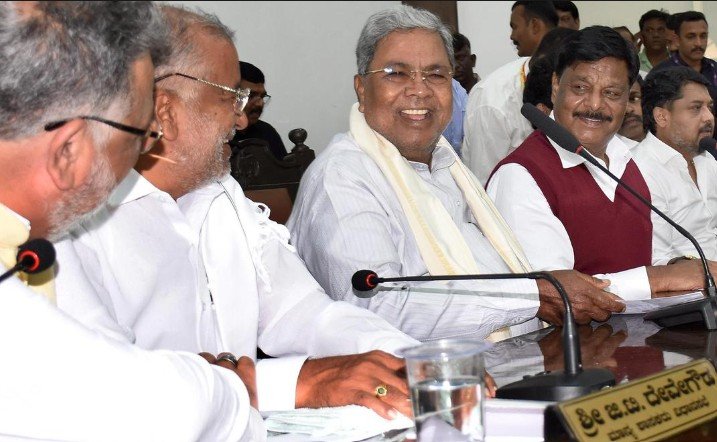
BENGALURU: Growing political and public concern over the Special Intensive Revision (SIR) of electoral rolls dominated a high-level meeting convened by Chief Minister Siddaramaiah at his official residence ‘Krishna’ in Bengaluru. The discussions took place amid heightened political sensitivity following the recent West Bengal election outcome and ahead of upcoming local body polls in Karnataka, including the Greater Bengaluru Authority (GBA) elections.
The meeting witnessed participation from senior ministers, political observers, social organisations and civil society representatives who expressed apprehension about the possible implications of the ongoing voter list revision exercise in the state.
Deputy Chief Minister D. K. Shivakumar, along with ministers Priyank Kharge, K.J. George, Ramalinga Reddy, Dr. Sharan Prakash Patil, Santosh Lad, B.S. Suresha and Shivraj Tangadagi, attended the deliberations alongside representatives from several social and political groups.
Participants voiced fears that the SIR process could create confusion and disenfranchisement among voters if not implemented carefully. Concerns were raised regarding reports from neighbouring states where similar revision exercises allegedly resulted in widespread changes to electoral rolls and sparked political controversy.
Several speakers urged the Karnataka government to intervene before the implementation process advances further. A strong demand emerged during the discussions for the state Cabinet to consider suspending the ongoing revision exercise until legal and constitutional questions surrounding the process are clarified.
Representatives from various organisations argued that vulnerable communities, including women, Dalits, Adivasis, Muslims, Christians and labour-class voters, could face difficulties during documentation and verification procedures linked to the revision process. They maintained that electoral participation is a constitutional right and any procedural irregularities could adversely impact democratic representation.
Participants also highlighted concerns that deletion of names from electoral rolls may create broader complications for affected individuals in proving identity and eligibility in official records. Some speakers called for the Karnataka Assembly to adopt a formal resolution expressing reservations over the current structure of the SIR mechanism and urged the government to communicate these concerns to the Election Commission.
Among those present at the meeting were Mohammed Yousuf Kanni from Karnataka Muslim Muttahida Mahaj, political analyst Parakala Prabhakar, Vote Rights Movement representative Thomas Franco, writer B.T. Lalitha Nayak, My Vote My Right forum member Vinay Srinivas, Karnataka Rajya Raitha Sangha leaders Badagalapura Nagendra and Veerasingayya, as well as Karnataka Komu Sauhardha Vedike representative K.L. Ashok.
Responding to the concerns, Chief Minister Siddaramaiah assured attendees that the government would carefully examine all suggestions and objections raised during the consultation. He stated that further discussions would be held with party legislators, defeated candidates and senior leadership before any major decision is taken on the issue.
The Chief Minister also directed officials and elected representatives to ensure that no eligible voter faces unnecessary hardship during the revision process. He instructed ministers and MLAs to assist citizens in securing required documentation if discrepancies arise in voter records.
Participants collectively called for a complete review of the SIR framework already implemented and urged authorities to wait for judicial clarity on petitions related to its constitutional validity before proceeding further. Suggestions were also made for redesigning voter list revision guidelines to ensure inclusive participation and stronger safeguards for all eligible citizens.
The meeting underscored the growing political significance of voter list management ahead of Karnataka’s upcoming electoral contests, with both government leaders and civil society groups seeking greater transparency and legal safeguards in the process.

