


Congo Ebola Death Toll Crosses 5,000 as Outbreak Spreads Across Africa
More than 10,000 infections reported in the Democratic Republic of Congo, while cases in Kenya, Uganda and Nigeria raise concerns over wider transmission and healthcare preparedness.
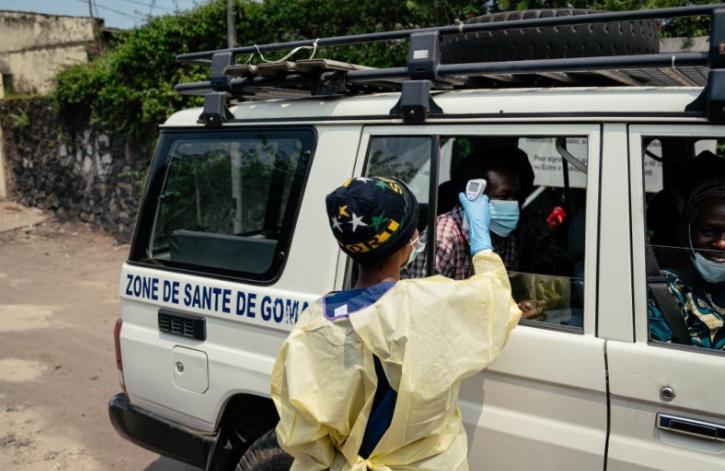
BUNIA, Oct 31: The Ebola outbreak in the Democratic Republic of Congo (DRC) has claimed more than 5,000 lives, raising serious concerns among international health authorities about the growing scale of the epidemic and the challenges facing efforts to contain its spread.
According to the latest figures released by the Congolese Ministry of Health on Saturday, the outbreak has resulted in 5,026 deaths among 10,351 reported infections, representing a fatality rate of nearly 50 per cent. The disease has also been reported in other African countries, making the current outbreak one of the most geographically widespread Ebola emergencies recorded on the continent.
The outbreak, caused by the Bundibugyo strain of the Ebola virus, was declared in mid-May. Since then, health authorities have struggled to control transmission, particularly in eastern Congo, where insecurity, inadequate medical resources and difficulties in reaching affected communities have complicated emergency operations.
The latest figures show that 2,788 patients have recovered. However, the absence of an established vaccine or specific treatment for the Bundibugyo strain has increased the pressure on healthcare workers, who are relying on supportive medical care to manage infected patients.
Dr Patrick Otim, a programme area manager with the World Health Organization (WHO), described the rising death toll as a deeply concerning development, stressing that the figures represented families and communities affected by the disease rather than merely statistical indicators.
Outbreak reaches multiple provinces
Since the outbreak began, infections have been reported in 67 of Congo’s 178 health zones, spread across eight of the country’s 26 provinces. Of these affected zones, 50 continue to report active cases.
The eastern provinces of Ituri and North Kivu remain the principal centres of transmission. Together, they have recorded 9,782 infections and 4,792 deaths, accounting for the overwhelming majority of the country’s reported cases and fatalities.
Health officials have identified gaps in contact tracing and testing as major obstacles to controlling the epidemic. These activities are essential for identifying infected individuals, monitoring people exposed to the virus and preventing further transmission.
According to the Africa Centres for Disease Control and Prevention, approximately 80 per cent of new infections are emerging outside the network of monitored contacts. This indicates that a significant proportion of transmission is occurring through unidentified chains, making it difficult for response teams to anticipate where new cases may emerge.
The situation is further complicated by the fact that many patients are not reaching medical facilities in time.
WHO officials estimate that approximately one-third of recorded deaths have occurred outside treatment centres, with patients dying before they could be tested or receive medical attention.
Dr Otim said reaching affected individuals early and encouraging them to seek medical assistance remained one of the most important challenges. Timely treatment can improve the chances of survival, while early identification also helps prevent further infections.
Healthcare workers face difficult conditions
The outbreak response has been affected by several problems, including insecurity, shortages of essential supplies, financial constraints and a lack of trust among sections of the population.
Eastern Congo has experienced prolonged armed conflict involving government forces and multiple armed groups. The presence of the M23 rebel group and other armed organisations has restricted access to several communities, making it difficult for medical teams to conduct surveillance, testing and treatment activities.
Health workers have also faced threats and attacks while carrying out their responsibilities. A nurse was recently killed while responding to an Ebola alert, highlighting the risks faced by frontline medical personnel.
In some areas, public distrust of health interventions has further complicated containment measures. Resistance to medical advice and attacks on healthcare facilities have weakened efforts to identify cases and encourage people to follow infection-prevention measures.
The shortage of financial resources has emerged as another serious concern. Medical facilities require reliable supplies of protective equipment, testing materials, medicines, transportation and other essential resources to continue functioning during an outbreak.
However, several treatment centres have experienced disruptions because of unpaid salaries and operational difficulties.
On Friday, workers at an Ebola treatment centre in Tchomia, located in Ituri province, stopped working to demand four months of unpaid wages. The facility was reportedly treating five confirmed Ebola patients and 10 suspected cases at the time.
One of the workers, Moise Mugenyi, said employees were struggling to support their families because of delayed payments.
The situation has also affected healthcare services in Beni, North Kivu, where some treatment centres have experienced interruptions. Local officials have pointed to shortages of fuel and inadequate financial assistance from the central government as factors affecting the response.
Rose Tchwenko, country director for Prosper Global in the DRC, said the outbreak was placing enormous pressure on response teams and affected communities.
Cases reported beyond Congo
The spread of Ebola beyond Congo’s borders has increased concerns about the possibility of further international transmission.
Kenya reported eight confirmed cases and two deaths in October, while Nigeria confirmed one case involving a patient who was subsequently evacuated to Switzerland. Uganda had also reported infections earlier.
The emergence of cases across Congo, Uganda, Kenya and Nigeria has made the outbreak the first documented Ebola epidemic to affect three African regions simultaneously.
The situation has placed additional responsibilities on neighbouring countries, which must strengthen border surveillance, improve laboratory testing and ensure that suspected cases are identified quickly.
Public health authorities are also required to coordinate information-sharing and preparedness activities to prevent delays in responding to potential infections.
Although border screening can help identify symptomatic travellers, health experts stress that surveillance within communities remains equally important because infected individuals may not immediately display symptoms.
Need for stronger international coordination
The worsening situation has highlighted the importance of sustained international assistance for countries experiencing major infectious disease emergencies.
The WHO, Africa CDC and humanitarian organisations are supporting efforts to improve surveillance, strengthen treatment facilities and provide technical assistance. However, the scale of the outbreak and the difficult security environment have made it challenging to maintain consistent operations.
Health authorities must also address the shortage of medical personnel and ensure that frontline workers receive regular salaries, protective equipment and adequate training.
Community participation is another important element of the response. Residents need reliable information about the disease, its transmission and the importance of seeking medical attention when symptoms develop.
Building confidence in healthcare services can encourage people to report suspected infections and cooperate with medical teams. Without public trust, even well-equipped response operations may struggle to control transmission.
The current epidemic has also renewed attention on the need for stronger disease surveillance systems across Africa. Countries with limited healthcare infrastructure remain particularly vulnerable when infectious diseases spread across national boundaries.
For Congo, the immediate priority remains identifying new infections, bringing patients into treatment facilities and preventing further transmission in affected communities.
With more than 5,000 deaths already recorded, the outbreak represents a major public health emergency. The growing geographical spread and continuing difficulties faced by healthcare workers underline the need for urgent and coordinated action to prevent the situation from deteriorating further.

