


Congress Targets Modi Over Israel Policy, Calls for Balanced Foreign Relations
Opposition alleges shifting regional dynamics are challenging India's strategic interests, calls for a more balanced approach in West Asia diplomacy.
NEW DELHI, June 15: The Congress on Monday intensified its criticism of the Narendra Modi-led government’s foreign policy strategy, arguing that changing geopolitical realities in South Asia and West Asia are creating new challenges for India’s diplomatic and strategic interests.
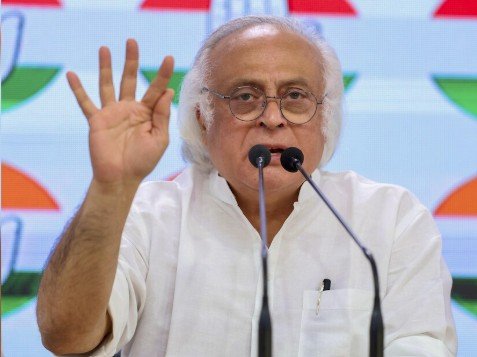
Senior Congress leader Jairam Ramesh said recent developments involving Pakistan, Iran, the United States, and Israel highlight the need for a more nuanced and balanced foreign policy approach. His remarks came amid reports that Washington and Tehran are expected to formalize a peace agreement later this week following intensive diplomatic negotiations aimed at ending military tensions in the region.
According to Ramesh, any agreement that reduces hostilities in West Asia would be a positive development for global stability and economic security. He noted that international observers are hopeful the proposed accord could pave the way for a broader and more durable peace process in a region that has witnessed prolonged instability.
The Congress leader emphasized that India stands to benefit from the restoration of normal maritime trade routes, particularly through the Strait of Hormuz, a critical passage for global energy supplies. However, he cautioned that relief from external pressures alone would not address deeper economic concerns facing the country.
Ramesh argued that several structural weaknesses continue to affect the Indian economy, including currency pressures, uneven investment growth, and persistent challenges in generating employment. He maintained that these issues existed before the latest conflict in West Asia and require comprehensive domestic policy responses.
Highlighting economic concerns, he pointed to what he described as slow growth in private investment, subdued consumer demand, and prolonged stagnation in real wages. According to him, these factors have constrained economic expansion and limited opportunities for job creation across various sectors.
The Congress leader also raised concerns about India’s trade relationship with China, claiming that rising imports and an expanding trade deficit have placed additional pressure on domestic industries, particularly micro, small and medium enterprises. He argued that stronger measures are required to support manufacturing and protect employment-generating sectors.
In addition to economic issues, Ramesh expressed concern over evolving regional power dynamics. He claimed that Pakistan, which India had successfully isolated diplomatically following the 2008 Mumbai terror attacks, appears to be regaining influence in certain international forums.
According to the Congress party, Pakistan’s growing diplomatic engagement, combined with China’s expanding strategic partnership with Islamabad, represents a significant geopolitical challenge that Indian policymakers must carefully address. Ramesh suggested that these developments require a reassessment of India’s current foreign policy priorities and regional strategy.
The Congress leader further criticized what he described as the government’s unwavering support for Israel during ongoing tensions in West Asia. He argued that India’s long-standing diplomatic traditions, humanitarian concerns, and broader national interests call for a more balanced engagement with all stakeholders in the region.
Without directly questioning India’s ties with Israel, Ramesh maintained that New Delhi should continue to preserve its strategic autonomy while maintaining constructive relations across the Middle East. He said a balanced diplomatic posture would better serve India’s economic, security, and energy interests.
The remarks came shortly after Pakistan Prime Minister Shehbaz Sharif announced that a peace understanding between the United States and Iran had been achieved. Sharif stated that the agreement would be formally signed in Switzerland on June 19 following a series of diplomatic consultations involving multiple international actors.
In his statement, the Pakistani leader described the development as a significant step toward ending military operations and reducing tensions across the region. He also acknowledged the role of mediators and regional partners who reportedly contributed to the negotiations.
The broader conflict has had far-reaching implications for regional security and international markets. Military confrontations involving Iran, the United States, and Israel have raised concerns about energy supplies, trade routes, and geopolitical stability across West Asia.
Political observers note that developments in the region remain fluid, and the long-term impact of any proposed peace arrangement will depend on its implementation and acceptance by all parties involved. For India, the evolving situation underscores the importance of safeguarding energy security, maintaining stable trade channels, and preserving strategic flexibility in an increasingly complex international environment.
As debates over foreign policy intensify, the Congress has called for greater diplomatic balance and strategic recalibration, while the government continues to defend its approach as one rooted in national interests and global partnerships. The issue is likely to remain a subject of political discussion as regional developments continue to unfold in the coming weeks.

