


Delhi’s Air Quality Nears ‘Severe’ Category Ahead of Diwali
Thirty monitoring stations record severe pollution levels as stubble burning, unfavourable weather conditions and anticipated firecracker emissions threaten to worsen air quality through November 8.
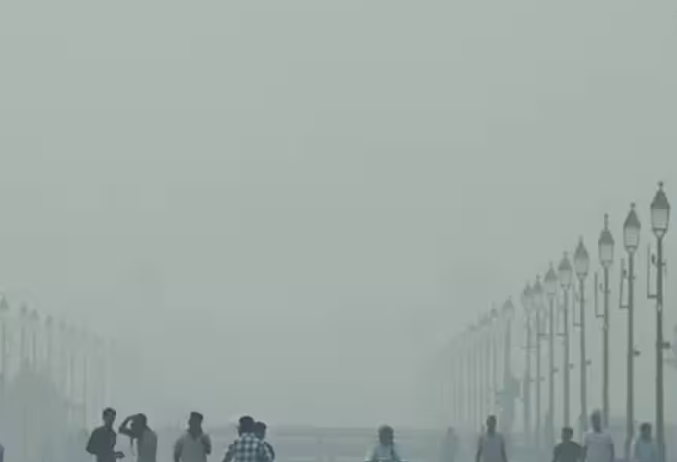
NEW DELHI, Nov 6: Delhi witnessed a significant deterioration in air quality on Friday as a dense layer of smog enveloped the national capital, pushing the overall Air Quality Index (AQI) to 391 and bringing the city close to the severe pollution category ahead of Diwali.
According to monitoring data, 30 of the capital’s 59 air quality stations recorded severe pollution levels at 9 am, while the remaining stations reported very poor conditions.
Rohini emerged as the most polluted location, registering an AQI of 475, followed by IIT Delhi at 472, highlighting the deteriorating conditions across several parts of the city.
The Air Quality Early Warning System has forecast that Delhi could experience its first severe pollution day of the current season on Friday. The situation is expected to remain concerning until November 8, coinciding with the Diwali celebrations.
The worsening air quality comes during the peak period of agricultural stubble burning across the National Capital Region and neighbouring areas. Emissions from crop residue fires, combined with unfavourable meteorological conditions, have contributed to the rising pollution levels.
Authorities and environmental experts have also expressed concern that firecracker emissions during Diwali could further increase the concentration of harmful pollutants in the atmosphere.
Delhi’s AQI showed a marginal but continued rise during Friday morning, increasing from 389 at 8 am to 391 an hour later.
According to the Central Pollution Control Board (CPCB), an AQI reading between zero and 50 is considered good, 51–100 satisfactory, 101–200 moderate, 201–300 poor, 301–400 very poor and 401–500 severe.
With the overall reading approaching the upper limit of the very poor category, several pollution hotspots are expected to experience particularly hazardous conditions. Weather experts have warned that AQI levels at some locations could cross 450, especially as Diwali-related emissions add to the existing pollution burden.
Meteorological conditions are also playing a role in the worsening situation. The minimum temperature at Safdarjung, Delhi’s base weather observatory, was recorded at 17.2 degrees Celsius, which was 1.9 degrees above the seasonal average.
The India Meteorological Department (IMD) has predicted a maximum temperature of approximately 30 degrees Celsius for Friday. Shallow fog is likely during the morning, with similar conditions expected to continue in the capital until November 9.
The combination of seasonal weather patterns, agricultural fires and festive emissions is creating an increasingly challenging pollution situation for residents.
The latest deterioration has renewed concerns about public health, particularly among children, elderly people and individuals with respiratory or cardiovascular conditions, who are more vulnerable to prolonged exposure to polluted air.
With Diwali approaching, the coming days are expected to be crucial in determining whether pollution levels rise further or stabilise across the national capital.

