


Echoes of Exile
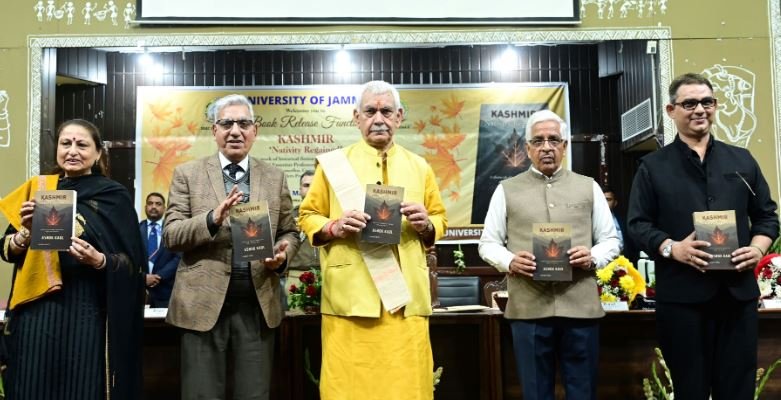
The release of Kashmir—Nativity Regained provides a moment for quiet reflection on a deeply emotional and complex chapter in the history of Jammu and Kashmir. The book revisits the painful displacement of the Kashmiri Pandit community during the turbulent years of 1989 and 1990, seeking to document not only the events themselves but also the enduring human experience of loss, separation, and longing for home. It attempts to capture the emotional landscape of those who were compelled to leave their ancestral land and rebuild their lives in unfamiliar surroundings.
At its heart, the narrative is about memory and belonging. Forced migration is never merely a physical relocation. It is a rupture in identity, tradition, and continuity. For many displaced families, the loss extended beyond homes and property. It involved separation from sacred spaces, neighborhood bonds, language, and shared cultural rhythms that had shaped generations. Even decades later, the sense of displacement continues to echo in personal stories and collective memory. The anguish of those years remains deeply embedded in the consciousness of the community. The fear, uncertainty, and trauma experienced during that period cannot be measured in simple terms. The experience of becoming a stranger in one’s own homeland is among the most profound human sorrows. Time may soften immediate wounds, yet the emotional imprint of uprooted lives often lingers across generations. At the same time, the resilience of the displaced community stands as a testament to cultural endurance. Despite adversity, families preserved their traditions, philosophy, language, and spiritual practices. Many achieved success in diverse fields while carrying within them the quiet hope of reconnecting with their roots. Their journey reflects not only suffering but also strength and determination. The broader discussion surrounding the book also touches upon governance and policy efforts undertaken in recent years. Since 2019, significant constitutional and administrative changes have reshaped the region’s political framework. The emphasis has been on restoring stability, accelerating development, and addressing long-standing concerns. Among these priorities is the commitment to ensure that displaced families can return with dignity, security, and confidence. Efforts such as property recovery initiatives and administrative mechanisms aimed at protecting the rights of migrants indicate a structured approach to addressing historical grievances. The aspiration is not only about physical return but also about creating an environment where people feel safe and valued. Security, economic opportunity, and social harmony are central to any sustainable rehabilitation process. It is equally important to recognize that the violence of the past affected multiple communities. Innocent lives were lost across religious and social lines. A balanced understanding of history acknowledges the pain of all victims while upholding the importance of justice and reconciliation. Healing requires an environment where truth is acknowledged and dignity is restored. Literature plays a vital role in this process. Books such as Kashmir–Nativity Regained contributes to public memory by articulating experiences that might otherwise remain unspoken. They invite readers to engage with history not as distant observers but as empathetic participants. In doing so, they help bridge generational gaps and encourage dialogue grounded in understanding rather than division. As Jammu and Kashmir continues its journey toward stability and development, the question of belonging remains central. A future built on peace must also be anchored in memory and justice. The aspiration is for a society where every community feels secure in its heritage and confident in its future.
In reflecting upon the themes raised by this book, one is reminded that reconciliation is not achieved overnight. It is a gradual process sustained by responsible governance, community engagement, and collective goodwill. By acknowledging the past with sensitivity and moving forward with determination, it is possible to nurture a more inclusive and harmonious future for the region.

