


Elite IB School Programs Gain Momentum Beyond India’s Metro Cities
Growing affluence and rising global education aspirations are driving the spread of IB schools across Tier-2 and Tier-3 cities, signalling a major shift in India's premium education landscape.
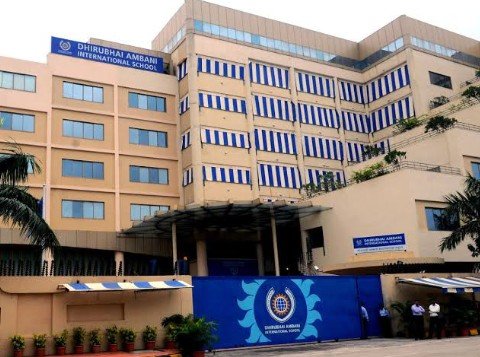
India, June 30 : India’s premium education sector is witnessing a significant transformation as International Baccalaureate (IB) schools steadily expand beyond traditional metropolitan centres into smaller cities. Once largely associated with diplomats, expatriates and affluent urban families, the globally recognised curriculum is now finding increasing acceptance in emerging education hubs across the country.
Officials from the Switzerland based International Baccalaureate Organisation say India has become one of the fastest growing markets for the programme, with a substantial share of new schools expected to come from Tier-2 and Tier-3 cities. The trend reflects changing educational aspirations among Indian families seeking internationally recognised qualifications that can open doors to leading universities around the world.
According to the organisation’s South Asia leadership, nearly 44 per cent of schools currently in the expansion pipeline are located outside India’s largest metropolitan areas. Cities such as Jaipur, Surat, Coimbatore, Lucknow, Kochi, Madurai, Nagpur, Mysuru and Visakhapatnam are emerging as key centres for the next phase of growth.
Education experts believe the shift demonstrates that international schooling is no longer limited to Delhi, Mumbai, Bengaluru, Hyderabad or Chennai. Rising incomes, better educational infrastructure and increasing awareness about global curricula have encouraged parents in smaller cities to explore alternatives beyond conventional education boards.
The International Baccalaureate programme is recognised in universities across the world for its emphasis on analytical thinking, creativity, independent research and holistic student development. Instead of focusing solely on examination scores, the curriculum encourages students to develop problem-solving abilities, communication skills and international perspectives.
Senior IB officials noted that schools from a wide variety of social and geographical settings are expressing interest in adopting the curriculum. The organisation believes India’s education market has matured considerably, allowing international programmes to reach communities that were previously considered outside their traditional audience.
Over the last five years, the number of authorised IB schools in India has increased from 195 to approximately 280, representing growth of more than 43 per cent. Although the overall number remains small compared to India’s vast school network of nearly 1.5 million institutions, the pace of expansion has placed the country among the organisation’s most promising global markets.
Internationally, India is steadily narrowing the gap with Canada, which currently has around 380 IB schools. The United States continues to lead the global rankings with more than 1,900 authorised institutions offering one or more IB programmes.
Industry observers attribute much of this expansion to India’s rapidly growing affluent population. Rising disposable incomes have encouraged more families to invest in premium schooling that offers international exposure and greater opportunities for higher education abroad.
Economic forecasts also support this trend. Research by investment firm Goldman Sachs estimates that India’s affluent population could rise from around 60 million people in 2023 to nearly 100 million by 2027. As household incomes increase, demand for high-quality educational institutions is expected to grow across both metropolitan and non-metropolitan regions.
Parents increasingly view international education as an investment in long-term career prospects. With many Indian students aspiring to study in North America, Europe, Australia and other global destinations, the International Baccalaureate curriculum has gained popularity because of its worldwide recognition and academic flexibility.
School operators are also responding to the growing interest by investing in modern campuses, internationally trained faculty and advanced learning resources. Several education groups are planning new IB campuses in developing urban centres where demand for premium schooling continues to rise.
Experts believe Tier-2 cities are becoming attractive destinations for educational investment because of improving infrastructure, expanding middle- and upper-income populations, and a growing willingness among parents to pay for globally competitive education.
While the International Baccalaureate curriculum remains accessible to only a small section of India’s overall student population due to higher fees, its continued expansion reflects broader changes taking place within the country’s education ecosystem.
Education analysts expect the coming years to see further diversification of India’s school sector as international curricula become available in a wider range of cities. Increased competition among premium schools could also encourage innovation in teaching methods, technology integration and student development programmes.
The expansion of International Baccalaureate schools beyond India’s metropolitan centres marks an important milestone for the country’s education landscape. As global educational aspirations continue to rise among Indian families, smaller cities are expected to play an increasingly important role in shaping the future of international schooling across the country.

