


Europe Battles Historic Heatwave as Record Temperatures Disrupt Daily Life
Extreme temperatures force event cancellations, strain healthcare systems and raise wildfire concerns across several European nations.
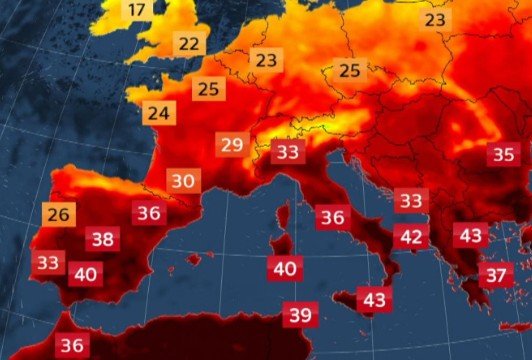
Europe, June 27 : Large parts of Europe are experiencing one of the most intense heatwaves in recent history, with record breaking temperatures disrupting daily life, overwhelming health services and prompting governments to issue emergency warnings as climate experts monitor the evolving situation.
Several countries reported temperatures well above seasonal averages, while meteorological agencies warned that prolonged extreme heat could continue for days. Public authorities urged residents, particularly senior citizens, children and people with medical conditions, to remain indoors during peak afternoon hours and stay adequately hydrated.
The unprecedented heat has forced the cancellation or postponement of major public events, cultural festivals and outdoor gatherings in multiple cities. Emergency medical services have reported a sharp rise in heat-related illnesses, including dehydration, heat exhaustion and respiratory complications.
Hospitals across affected regions have activated emergency response plans to manage increased patient admissions. Local administrations have opened cooling centres and expanded public health services to protect vulnerable populations during the extreme weather conditions.
The soaring temperatures have also placed additional pressure on electricity grids as air-conditioning demand surged across residential and commercial sectors. Energy providers have urged consumers to reduce non-essential electricity consumption to help maintain stable supplies.
Meanwhile, wildfire threats have intensified across southern and central Europe, with firefighters remaining on high alert as dry vegetation and strong winds increase the risk of rapidly spreading forest fires. Authorities have restricted access to several forested regions and advised residents to avoid activities that could accidentally ignite fires.
Agricultural experts warned that prolonged heat and limited rainfall may affect crop production, livestock health and water availability in several farming regions. Governments are closely monitoring reservoir levels and implementing water conservation measures where necessary.
Climate scientists stated that such prolonged periods of extreme heat are becoming more frequent and severe due to global climate change, emphasising the need for stronger adaptation strategies and resilient infrastructure. Environmental experts also highlighted the importance of urban planning measures that reduce heat exposure in densely populated cities.
Transport services have experienced disruptions as railway operators imposed speed restrictions on some routes to prevent track damage, while airports advised passengers to check flight schedules due to weather-related operational challenges.
European governments continue coordinating emergency response measures while urging citizens to follow official safety guidelines until temperatures begin to moderate. Authorities remain focused on protecting public health, preventing wildfire outbreaks and ensuring uninterrupted essential services during the prolonged heat emergency.

