


FIFA Faces Broadcast Challenge Ahead of World Cup in India
Global football body struggles to finalise television rights as market conditions reshape sports broadcasting economics
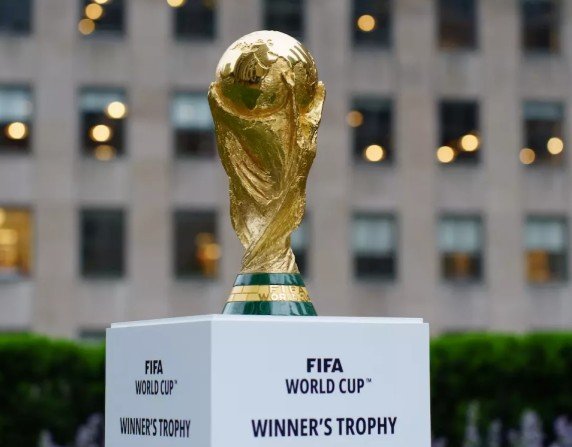
NEW DELHI, May 13: FIFA is facing growing uncertainty over broadcasting arrangements for the 2026 FIFA World Cup in India, highlighting the changing economics of sports media and viewership trends in one of the world’s largest markets.
Reports indicate that negotiations between FIFA and Indian broadcasters have slowed significantly due to disagreements over pricing expectations and advertising potential. Industry observers say broadcasters are becoming increasingly cautious because football still trails cricket substantially in television and digital viewership across India.
According to media reports, FIFA had initially expected significantly higher bids for broadcasting rights. However, the offers received from Indian networks are believed to be far below earlier projections.
Analysts attribute the situation to multiple factors, including difficult match timings, the dominance of cricket in the Indian sports market, and cautious advertising expenditure by media companies amid broader economic uncertainty.
Sports marketing experts noted that football’s popularity has expanded steadily among younger urban audiences, particularly through European club football leagues. However, monetisation challenges continue to affect large-scale broadcasting deals.
Industry insiders said digital streaming platforms are now playing a greater role in sports rights negotiations, often changing the valuation models traditionally used by television broadcasters.
India’s sports media landscape has undergone rapid transformation over the past decade with the rise of OTT streaming services and mobile-first audiences. Cricket remains the dominant revenue generator, while football and other sports continue to compete for sponsorship attention.
Despite the current negotiations, football’s grassroots popularity has grown significantly through school leagues, fan clubs and international club partnerships in India.
Experts believe the eventual deal could influence future investment patterns in football broadcasting and sports entertainment within the country.
The delay in finalising agreements also reflects broader challenges facing global sports organisations attempting to maximise revenues in emerging markets while adapting to changing audience behaviour.
Media analysts observed that sports consumption patterns in India are increasingly fragmented across television, mobile applications and short-form content platforms. This has complicated revenue forecasting for broadcasters.
FIFA’s ongoing negotiations in India are being closely watched by international sports business experts because the country represents a major long-term growth market for global football.
Industry executives believe that while immediate commercial returns may remain limited compared to cricket, India’s younger demographic and expanding digital infrastructure could strengthen football’s future audience base.

