


First LNG Shipment Since Conflict Emerges from Strait of Hormuz, Signaling Possible Easing of Tensions
Tanker Movement Signals Tentative Shift in Energy Flows After Weeks of Maritime Paralysis
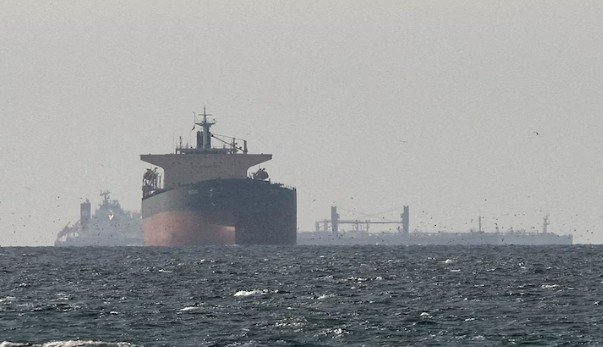
US, Apr 28 : The first liquefied natural gas cargo to successfully navigate the strategically vital Strait of Hormuz since the outbreak of the Middle East conflict has emerged as a significant development in global energy dynamics. After nearly two months of near-total disruption, the movement of a single LNG tanker is being closely watched by markets and policymakers for signs of a possible easing in maritime restrictions.
Keyphrase: First LNG shipment exits Hormuz
The vessel Mubaraz, operated under a unit of the Abu Dhabi National Oil Company, appears to have completed its passage out of the Persian Gulf after loading cargo earlier from Das Island in the United Arab Emirates. According to ship tracking data, the tanker had remained stationary within Gulf waters before going dark at the end of March, only to reappear west of India on April 27.
Its current trajectory shows it moving past the southern tip of India, with a projected destination in China. The estimated arrival date is around mid-May, indicating a steady onward journey after a prolonged delay.
Strategic Importance of the Strait of Hormuz
The Strait of Hormuz remains one of the most critical chokepoints in global energy supply chains, facilitating the transit of roughly one-fifth of the world’s LNG shipments. Since the escalation of tensions between Iran and the United States, the waterway has witnessed an unprecedented decline in shipping activity.
Mutual blockades imposed by the two nations effectively halted most tanker movements, creating severe constraints in global LNG supply. This disruption led to a sharp rise in energy prices, as markets responded to reduced availability and increased geopolitical risk.
Unusual Shipping Patterns Raise Questions
The movement of the Mubaraz also highlights the opaque nature of maritime navigation during times of conflict. It is not uncommon for vessels to disable tracking systems while transiting sensitive regions such as Hormuz. This practice helps avoid detection but complicates verification of shipping routes.
Additionally, electronic interference and data manipulation can distort tracking information, making it difficult to confirm precise movements. The vessel’s temporary disappearance from tracking systems between late March and late April aligns with such tactics.
Market Reactions and Supply Implications
Energy markets have been intensely focused on any signs of resumed activity through the strait. The successful transit of a loaded LNG tanker could indicate a gradual reopening, though analysts caution against overinterpreting a single ঘটনা.
Prior to this development, only one empty LNG vessel had been observed exiting the region in early April. Meanwhile, multiple tankers carrying Qatari LNG had approached the strait but reversed course due to persistent tensions.
The reappearance of the Mubaraz suggests that some operators may be testing the waters under evolving conditions, potentially signaling cautious optimism in the market.
Geopolitical Uncertainty Continues
Despite this breakthrough, the broader geopolitical situation remains fragile. The standoff between Iran and the United States continues to pose significant risks to maritime security and global energy flows.
Any sustained recovery in shipping activity will depend on diplomatic progress and the stability of security arrangements in the region. Until then, uncertainty is likely to remain a defining feature of the global LNG market.
Outlook for Global Energy Trade
The journey of the Mubaraz represents more than just a single shipment it reflects the resilience and adaptability of global energy logistics under extreme conditions. However, whether this marks the beginning of a broader normalization or remains an isolated ঘটনা will depend on developments in the coming weeks.
For now, the first LNG shipment exits Hormuz stands as a cautiously optimistic signal in an otherwise constrained energy landscape, offering a glimpse of potential recovery amid ongoing geopolitical turbulence.

