


Gadchiroli Records 41.6% Drop in Malaria Cases Amid Intensified Control Measures
Health teams expand doorstep testing, mosquito-control measures and community surveillance across remote settlements
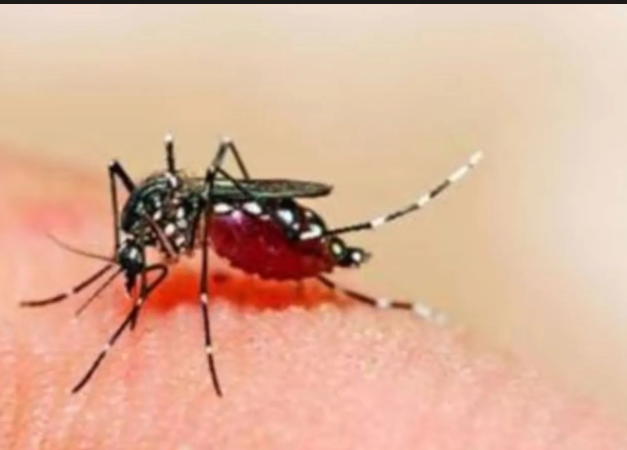
GADCHIROLI, Sept 28: Gadchiroli district in Maharashtra has recorded a 41.6 per cent decline in malaria cases compared with last year as health authorities intensify surveillance, early diagnosis and mosquito control measures across remote and vulnerable areas.
The reduction has been reported amid a sustained effort to take malaria prevention and treatment services to forest settlements and scattered villages, where difficult terrain and monsoon conditions can make regular healthcare access challenging. Health teams have continued house-to-house surveillance in remote hamlets and are using rapid diagnostic kits to identify suspected infections at the earliest stage.
Gadchiroli has a large number of forested and remote settlements, with swollen streams and difficult roads during the rainy season often affecting movement. These geographical conditions make timely access to health facilities particularly important during the malaria season.
Under the district’s intensified programme, health workers conduct surveillance in vulnerable communities and follow up patients after diagnosis. Once a malaria case is detected, teams continue monitoring the affected area for 28 days to identify possible additional infections and prevent further transmission.
Accredited Social Health Activists, or ASHA workers, and other health personnel are also involved in ensuring that patients complete their prescribed treatment. The follow up component is intended to reduce the possibility of incomplete treatment and support early identification of further cases.
The district administration has distributed 1,16,372 insecticide treated mosquito nets as part of its prevention strategy. In addition, 25 teams have been deployed to conduct insecticide spraying across 1,195 villages. Spraying has been completed throughout Bhamragarh taluka, while monitoring and control activities continue in vulnerable areas.
Health authorities are paying particular attention to Primary Health Centres where the Annual Parasite Index is above two. The indicator is used in malaria surveillance to measure the number of confirmed malaria cases in relation to the population at risk and helps health officials identify areas requiring closer monitoring.
Gadchiroli Collector Avishyant Panda said the administration was focusing on preventive action in the last settlement rather than waiting for residents to arrive at healthcare facilities after developing symptoms.
The strategy includes encouraging residents to prevent water stagnation around homes. Health authorities have urged communities to observe one dry day every week by removing stagnant water where mosquitoes can breed.
Community participation has been incorporated into the district’s malaria response. Local priests and traditional healers, who may be among the first people approached by residents with fever, are being encouraged to refer suspected cases to government health facilities for testing.
Under the incentive mechanism, local referral workers receive Rs 15 for referring a person with fever and Rs 200 when malaria is confirmed. According to district officials, Rs 15,250 has so far been distributed through the programme.
The district has also introduced financial support for patients who complete their treatment. Those who finish the full course are provided Rs 500 as compensation for wages lost during illness. Officials said Rs 2.83 lakh had been credited directly to the bank accounts of 566 patients under this measure.
The wage compensation component is aimed at reducing a potential barrier to treatment completion. For workers dependent on daily earnings, prolonged illness can result in a direct loss of income. Financial assistance can therefore help patients remain engaged with treatment while reducing the economic impact associated with missing work.
Schools are another part of the awareness campaign. A total of 672 nodal teachers have been appointed across 1,908 schools in the district to spread information among students about malaria prevention and health practices.
The involvement of educational institutions gives the programme an additional community outreach channel, particularly in areas where schools serve as important centres of communication for children and families.
Rapid testing remains a central part of the response. Health teams can identify suspected infections closer to where people live instead of relying entirely on patients travelling to distant facilities. Early diagnosis also allows treatment and follow-up to begin sooner.
Officials, however, have cautioned that the decline in cases does not mean malaria transmission has ended. Continued surveillance will remain important during the monsoon, when conditions can favour mosquito breeding and increase the risk of transmission.
The need for sustained monitoring is particularly relevant in border areas adjoining Chhattisgarh and Telangana. Health teams must continue identifying cases promptly and monitoring vulnerable settlements to prevent localised outbreaks from spreading.
District Health Officer Dr Pratap Shinde said surveillance teams were continuing their work in vulnerable villages and that rapid testing was helping identify suspected cases quickly. He also stressed the importance of completing treatment and maintaining preventive measures such as mosquito-net use and insecticide spraying.
The district’s approach combines several layers of malaria control rather than relying on treatment alone. Surveillance helps identify cases, diagnostic testing provides confirmation, medicines address infections, while spraying and treated nets target mosquito transmission.
Community-based referral mechanisms and school-level awareness add another layer by encouraging residents to seek testing when fever develops and by increasing knowledge of preventive practices.
The reduction in reported cases is therefore being viewed alongside the continued need for field surveillance. Health authorities have indicated that the coming weeks will remain important because monsoon conditions can continue to create favourable environments for mosquito breeding.
For remote communities, the focus on doorstep surveillance and local referrals also addresses one of the central challenges in disease control: ensuring that geographical isolation does not delay diagnosis and treatment.
The Gadchiroli experience highlights the importance of combining public health infrastructure with community participation in areas where access to conventional healthcare facilities can be difficult. The current reduction in malaria cases provides an encouraging indicator for the district, while officials continue to stress that prevention, timely diagnosis and completion of treatment must remain part of the response.
With the monsoon surveillance period continuing, health teams are expected to maintain field visits, testing, follow up and mosquito control activities across high-risk areas. The administration’s emphasis remains on reaching vulnerable settlements before infections develop into wider transmission clusters.

