


GAMBIA COUGH SYRUP
Editorial . . . . .
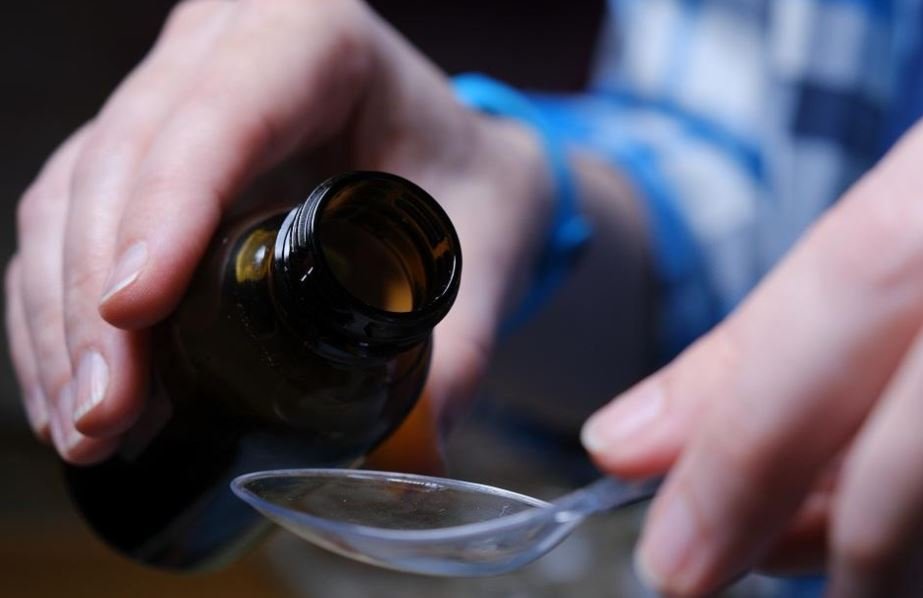
The tragic death of 66 children in the Gambia as a result of substandard cough syrup produced by a Haryana-based pharmaceutical company has sparked a necessary discussion about India’s drug regulators. Promethazine Oral Solution, Kofexmalin Baby Cough Syrup, Makoff Baby Cough Syrup, and Magrip N Cold Syrup are the four cough syrups. Maiden Pharmaceuticals Limited is the manufacturer of these medications. The World Health Organization (WHO) connected these fatalities to four brands after determining that the syrups had unsafe levels of ethylene glycol and diethylene glycol. Both are poisonous to humans and can cause fatalities or major injuries, especially in young children. Propylene glycol, a syrup-making solvent, is similar to diethylene glycol. Additionally, it is less expensive, which can attract vendors without morals to use it as a diluent. Diethylene glycol and ethylene glycol are poisonous substances that can cause acute renal injury, mortality, headaches, diarrhoea, vomiting, abdominal discomfort, and altered mental status in humans. Before deciding to release the products for use in the country, the importing country typically tests the quality of such imported medicines and ascertains its satisfaction with the products’ quality. It is now unclear in this situation if these medications were tested in the Gambia before being made available on the market. This regrettable incident needs to motivate our drug regulatory system to get to work. However, the manufacturer is responsible for quality control, which also includes testing inputs. It is a component of “good manufacturing practices” that pharmaceutical firms are expected to adhere to and that regulators must uphold. Slipups can be expensive. Only two years prior, a cough medication tainted with diethylene glycol had caused the deaths of about 12 kids from a village of Jammu and Kashmir. The health ministry’s claim that the four syrups produced by Maiden Pharmaceuticals were exclusively intended for sale in the Gambia and not in India is therefore not just unethical but also false. Reports indicate a long history of infractions by the drug maker, despite the fact that state regulators and the Central Drugs Standard Control Organization (CDSCO) are conducting investigations. The products of Maiden have failed regulatory inspections in a number of states; Kerala punished the company for distributing pharmaceuticals of poor quality, while Bihar placed Maiden on a blacklist. How did it manage to stay in business after that? Why was its right to export pharmaceuticals not cause for alarm? Unfortunately, drug regulation in India operates in silos, with different state regulators not always communicating effectively with one another. Drugs that don’t pass quality checks in one state can nevertheless be purchased in another. The CDSCO estimates that 5% of Indian manufacturers’ medicine sales in 2016 were of substandard quality; however, there is no undisputed indicator of this. The US and other nations with stricter regulatory requirements have previously penalized Indian companies for producing subpar pharmaceuticals. Despite the fact that a large portion of the world now has access to healthcare thanks to Indian generic drugs, the industry has occasionally been accused of selling drugs of lower quality to nations with lax regulatory standards. In general, Indian authorities have a poor track record of proactive, effective enforcement. For instance, as recently as February 2020, at least nine children died in Udhampur, Jammu, and Kashmir owing to the presence of Diethylene Glycol in cough syrups as per media reports. However, any laxity in the requirements for pharmaceuticals might have disastrous effects, either domestically or abroad. Because of the apathy they expose, bad medications might result in fatalities, which make international headlines. Our drug testing and regulation systems need to have all of their gaps filled by the government immediately.
Thus, criminal neglect, on the part of both the pharmaceutical company as well as state and national regulatory authorities should be taken seriously and needs to punish under various sections of IPC. In Jammu and Kashmir itself, a large number of pharmaceutical companies are manufacturing various products of various natures and the authorities concerned strictly check the qualities of such drugs following all the norms and ingredients involved and permitted as per product license.

