


Global Climate Summit Warns of Accelerating Environmental Crisis
Scientists urge immediate action as extreme weather events intensify worldwide.
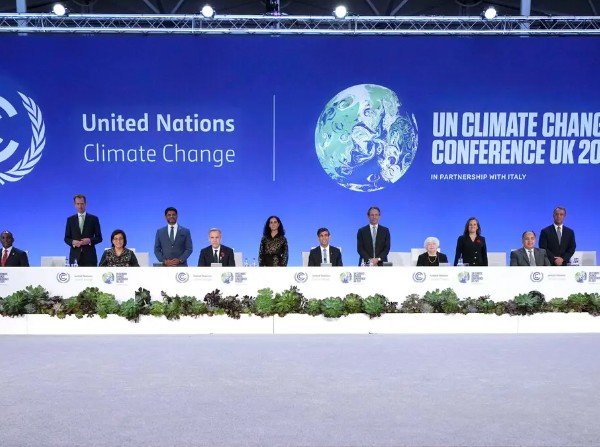
GENEVA, May 11: Climate scientists and world leaders issued urgent warnings during an international environmental summit, stating that the planet is approaching critical tipping points due to rising global temperatures and increasing greenhouse gas emissions.
Delegates from more than 100 countries gathered to discuss worsening climate conditions following devastating floods, droughts, wildfires, and heatwaves recorded across multiple continents in recent months.
The summit highlighted alarming scientific findings indicating that average global temperatures could surpass internationally agreed limits sooner than previously expected unless drastic emission reductions are implemented immediately.
Representatives from vulnerable island nations warned that rising sea levels threaten entire communities and economies. African and Asian countries also raised concerns about worsening food insecurity caused by changing rainfall patterns and agricultural disruptions.
The United Nations climate panel called for accelerated investment in renewable energy technologies, including solar, wind, and green hydrogen projects. Environmental activists criticised major industrial nations for failing to meet earlier emission reduction commitments.
Meanwhile, governments from developing countries demanded greater financial assistance to support climate adaptation measures and disaster recovery programmes. Negotiations over climate funding remain one of the most contentious issues in international environmental diplomacy.
Scientists warned that continued dependence on fossil fuels could trigger irreversible environmental damage, including biodiversity loss, glacier melting, and severe water shortages. Public health experts also noted growing risks associated with heat-related illnesses and air pollution.
Corporate leaders attending the summit announced several green investment initiatives aimed at expanding clean energy infrastructure. However, environmental organisations argued that current commitments remain insufficient compared to the scale of the crisis.
The conference concluded with renewed calls for international cooperation and urgent policy reforms. Experts stressed that decisions made during the next decade will play a decisive role in determining the future stability of the global climate system.

