


Global Pollution Rankings Unofficial, India Uses Domestic Criteria: Govt
International pollution indices only advisory; India says NAAQS reflects national conditions
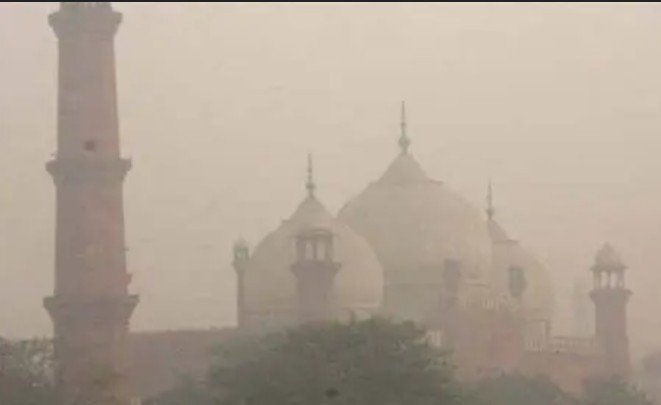
India, Dec 12 : The government on Thursday informed Parliament that the global air quality rankings frequently cited by various organisations are not conducted by any official authority, and should not be treated as binding assessments of India’s air quality status.
In a written reply in the Rajya Sabha, Minister of State for Environment Kirti Vardhan Singh said indices such as the IQAir World Air Quality Report, WHO Global Air Quality Database, Environmental Performance Index (EPI), and Global Burden of Disease (GBD) metrics are only advisory in nature and lack official status.
“The WHO’s air quality guidelines serve as recommended values to help countries achieve good air quality. However, nations frame their own standards based on geography, environmental factors, background levels, socio-economic status and national circumstances,” Singh said.
India’s air quality standards tailored to local conditions
The Environment Ministry reiterated that India’s National Ambient Air Quality Standards (NAAQS) notified in 2009 for 12 pollutants — are specifically framed for the country’s environmental and socio-economic realities.
While the WHO significantly tightened its air quality guidelines in 2021 (24-hour PM2.5 limit: 15 µg/m³; annual: 5 µg/m³), India continues to follow its 2009 NAAQS (24-hour PM2.5: 60 µg/m³; annual: 40 µg/m³), which the government maintains are appropriate for national conditions.
Delhi records improvement in air quality, says Yadav
Separately, Environment Minister Bhupender Yadav highlighted steady improvement in Delhi’s air quality over recent years, attributing it to sustained policy interventions.
He reported that the number of “Good to Moderate” air quality days (AQI ≤ 200) has risen from 110 in 2016 to 200 in 2025 (till date). Delhi’s average AQI (January–November) has improved from 213 in 2018 to 187 in 2025, with no “Severe Plus” (AQI > 450) days recorded so far this year.
Yadav also noted a sharp decline nearly 90% in stubble burning incidents in Punjab and Haryana during the 2025 paddy season compared to 2022.

