


Gold Prices Edge Higher as Soft US Inflation Boosts Demand Amid Gulf Conflict
Cooling US inflation improved sentiment in the precious metals market, but rising geopolitical risks in the Gulf and expectations of further Federal Reserve action kept investors cautious.
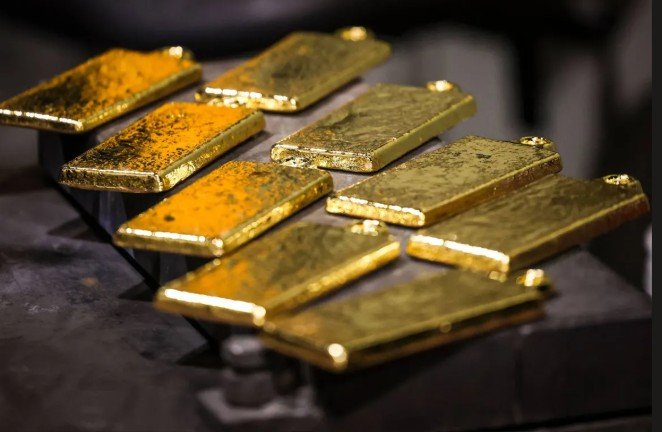
Mumbai, July 15: Gold prices traded with modest gains on Wednesday as investors balanced encouraging inflation data from the United States against rising geopolitical tensions in the Middle East. While easing consumer inflation reduced immediate concerns over aggressive monetary tightening, the escalation of conflict in the Gulf and higher crude oil prices prevented a stronger rally in the precious metal.
Spot gold rose marginally to $4,056.69 per ounce during early Asian trading, while U.S. gold futures for August delivery slipped slightly to $4,063.80 per ounce. The movement followed Tuesday’s sharp rebound, when bullion recorded gains of more than two percent after inflation figures came in below market expectations.
The latest U.S. Consumer Price Index (CPI) report indicated that inflation slowed more than anticipated in June, primarily because of declining energy costs. The softer inflation reading strengthened hopes that the Federal Reserve may not need to tighten monetary policy as aggressively as previously feared.
However, analysts believe that a single month of improved inflation data is unlikely to alter the broader policy outlook significantly. Policymakers continue to stress that sustained evidence of easing price pressures will be required before any major shift in interest-rate expectations.
Gold, which traditionally performs well during periods of economic uncertainty and lower interest rates, benefited from renewed buying interest following the inflation report. Investors often turn to bullion as a safe haven asset during volatile market conditions, although higher interest rates generally reduce its appeal because the metal does not generate interest income.
Middle East Conflict Keeps Markets on Edge
Despite encouraging inflation figures, geopolitical developments remained a dominant factor influencing financial markets.
Fresh tensions in the Gulf intensified after the United States announced tougher measures against Iran. Reports that Washington had reinstated a naval blockade targeting Iranian ports and warned of possible military action if diplomatic negotiations failed contributed to increased uncertainty across global markets.
The renewed conflict immediately pushed crude oil prices higher, extending their gains for a third straight trading session. Rising oil prices have raised concerns that energy driven inflation could return, potentially complicating the Federal Reserve’s efforts to bring inflation under control.
Market participants remain concerned that any prolonged disruption in the Gulf region could affect global energy supplies, adding fresh inflationary pressure worldwide.
Federal Reserve Maintains Cautious Approach
Senior Federal Reserve officials acknowledged that the latest inflation report was encouraging but emphasized that policymakers require several more months of consistent improvement before considering any changes to monetary policy.
Officials reiterated that inflation remains above the central bank’s long-term objective, making it premature to declare victory over rising prices.
As a result, investors continue to closely monitor incoming economic data for further guidance regarding future interest-rate decisions.
Attention is now focused on the release of the U.S. Producer Price Index (PPI), which is expected to provide additional insight into wholesale inflation trends. A softer PPI reading could strengthen expectations that inflationary pressures are easing across the broader economy.
Rate Expectations Shift Slightly
Financial markets adjusted their expectations following the latest inflation report.
According to market pricing, the probability of another Federal Reserve interest-rate increase at the September policy meeting has declined noticeably. Although expectations for tighter monetary policy remain elevated, investors are becoming less convinced that another immediate hike is guaranteed.
The moderation in rate expectations provided short-term support for gold prices, helping the metal recover from recent lows.
Lower expectations for aggressive monetary tightening generally weaken the U.S. dollar and reduce Treasury yields, both of which tend to benefit precious metals.
China’s Economic Outlook Remains a Key Factor
Investors are also awaiting China’s second-quarter economic growth figures, which could significantly influence the outlook for global commodity demand.
Economists expect China’s economy to expand at a slower pace compared to previous quarters, with growth projected near the lower end of the government’s annual target.
As one of the world’s largest consumers of gold, weaker economic activity in China could reduce jewellery demand and industrial consumption, limiting upside potential for bullion prices over the coming months.
Any signs of stronger than expected economic performance, however, could improve sentiment across commodity markets and provide additional support for precious metals.
Oil Prices Add to Inflation Concerns
Crude oil continued its upward momentum amid escalating geopolitical uncertainty.
Higher energy prices have complicated the inflation outlook because they increase transportation, manufacturing, and production costs across industries. If oil prices remain elevated, central banks may find it more difficult to bring inflation back to target levels.
This possibility has kept investors cautious despite the recent improvement in consumer inflation data.
Market Outlook
Gold continues to receive support from safe-haven demand and easing inflation expectations, but gains remain limited by uncertainty surrounding future Federal Reserve policy and geopolitical developments.
The combination of Middle East tensions, volatile oil prices, and upcoming U.S. inflation data is likely to keep financial markets highly sensitive over the coming days.
Traders will closely monitor the Producer Price Index, comments from Federal Reserve officials, and China’s economic growth data for fresh direction. Until greater clarity emerges on inflation and interest rate policy, gold prices are expected to remain volatile, with investors balancing economic optimism against ongoing geopolitical risks.

