


H-1B Visa Lottery Replaced with Merit-Based System Favoring Higher Salaries
New rule, effective February 2026, aims to reward higher wages and advanced skill roles, replacing decades-old random selection
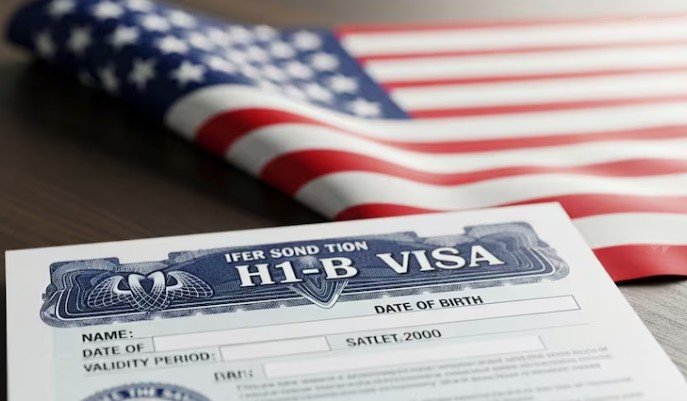
Washington, Dec 24: The US government is ending the decades-old H-1B visa lottery system and replacing it with a merit based process that favors higher paid and more skilled foreign workers, the Department of Homeland Security (DHS) announced on Tuesday.
Under the new system, applications will no longer be selected through a random draw. Instead, visas will be awarded through a weighted process that increases the chances of selection for applicants offered higher wages and roles requiring greater expertise. The rule is set to take effect on February 27, 2026, ahead of the next H-1B cap registration season.
“The existing random selection process was exploited by employers primarily seeking to import foreign workers at lower wages than they would pay American workers,” said Matthew Tragesser, a spokesman for US Citizenship and Immigration Services.
The change is part of a broader Trump administration push to reshape immigration, which includes a previously signed proclamation imposing an additional USD 100,000 fee per highly skilled H-1B visa and a proposed USD 1 million “gold card” visa offering a path to citizenship for wealthy individuals.
The H-1B programme allows 65,000 new visas annually, with an additional 20,000 reserved for applicants holding a master’s degree or higher. In recent years, major companies like Amazon, Tata Consultancy Services, Microsoft, Apple, and Google have emerged as the largest recipients, with California hosting the highest concentration of H-1B workers.
Supporters of the programme say it ensures a pipeline of skilled professionals for sectors like healthcare, technology, and education, while critics argue that many visas are used for entry level roles, keeping wages low. By prioritizing pay and skill, the administration aims to address wage undercutting and improve alignment with specialized roles, though legal challenges and industry pushback are expected.

