


Heavy Monsoon Disruptions Trigger Flood Alerts Across Northern States
Continuous rainfall causes river swelling, transport disruption, and emergency response activation in multiple regions.
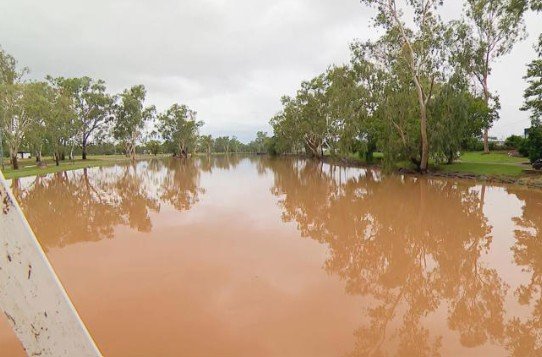
India, 11 June 2026 : Several northern states of India remained on high alert as intense monsoon rainfall triggered flooding concerns, disrupted transport networks, and led to precautionary evacuations in low-lying areas.
Meteorological departments reported that an active monsoon system over the western Himalayan region has intensified rainfall activity across Jammu and Kashmir, Himachal Pradesh, Punjab, and parts of Uttar Pradesh. River water levels in several catchments have risen rapidly, prompting authorities to issue early warning advisories.
In Jammu and Kashmir, continuous rainfall over the past 48 hours has led to rising water levels in tributaries of the Chenab and Jhelum rivers. Disaster response teams have been deployed in vulnerable districts, and local administrations have been instructed to maintain round the clock monitoring.
Rail and road connectivity has been partially affected in hilly regions due to landslides and waterlogging. Several highways experienced temporary closures, causing delays in passenger and freight movement. Authorities are working to restore connectivity while ensuring safety checks on damaged stretches.
In Himachal Pradesh, officials reported multiple instances of flash flooding in smaller streams, leading to damage to rural infrastructure. Rescue teams have been assisting residents in shifting to safer locations.
The India Meteorological Department (IMD) has forecast continued rainfall over the next 72 hours, warning of possible further intensification in isolated pockets. Red and orange alerts have been issued depending on severity levels across districts.
State governments have activated emergency control rooms and directed district officials to prioritize evacuation from high-risk zones. Relief materials, including food supplies and temporary shelters, are being arranged in coordination with disaster response forces.
Experts attribute the early intensity of the monsoon to shifting climate patterns and unusually warm sea surface temperatures in the Arabian Sea. They caution that such extreme rainfall events are likely to become more frequent in coming years.
Citizens have been advised to avoid unnecessary travel, stay updated through official alerts, and adhere to safety instructions issued by local authorities.

