


IIM Jammu’s Next Decade
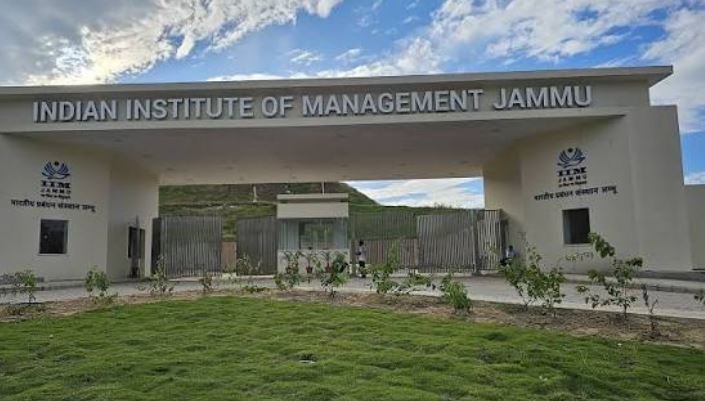
IIM Jammu has completed an important first decade, and its journey from a temporary campus with 56 students to an internationally connected management institution deserves recognition. The progress is substantial, but the next phase will require a sharper test. Growth in size, partnerships and publications must now translate into academic distinction, stronger regional impact and a clearer place in the global management education landscape.
The institute’s achievements are encouraging. It has secured AMBA and EFMD accreditation, expanded international collaborations and increased research output from just two papers in 2017 to close to 350 this year. These are strong indicators of momentum. However, reputation in higher education is built not only by quantity, but by the originality, relevance and influence of academic work. IIM Jammu should therefore use its location as an intellectual advantage. Jammu and Kashmir and Ladakh offer distinctive questions relating to border economies, tourism, logistics, entrepreneurship, small businesses, sustainability and regional development. These themes can become serious areas of research rather than remaining occasional subjects of discussion. The institute should also develop its own body of case studies. Dependence on Western business cases may help students understand global models, but management education becomes more powerful when it also reflects the realities of local and Indian enterprise. Businesses operating in mountain regions, border districts, tourism hubs, agricultural markets and emerging urban centres can provide rich material for original research and teaching. This is where IIM Jammu must be ambitious. It should not seek recognition merely by following established institutions. It should build an academic identity of its own. The strongest global universities are remembered for intellectual traditions they created, not simply for rankings they achieved. Experiential learning should become another defining strength. Every student should leave the institute having worked on a real business challenge, policy problem, entrepreneurial venture or community-based project. Management cannot be fully understood through classrooms alone. Leadership is tested when information is incomplete, interests conflict and decisions carry consequences. Entrepreneurship must also receive greater emphasis. Placements will remain important, but they should not become the only measure of success. A leading management institution should also be judged by the companies its graduates build, the organizations they improve, the jobs they create and the public problems they help solve. The rapid rise in research output should similarly move towards greater depth. More papers are welcome, but research should increasingly influence policy, industry and public debate. Scholars at IIM Jammu should be encouraged to produce work that governments, businesses and communities actually use. International partnerships can strengthen this journey, but they must remain substantive. Exchange programmes, joint research, visiting faculty, collaborative case writing and global classroom exposure can add real value. Partnerships that remain limited to agreements and ceremonial visibility will contribute little to long-term academic standing. The institute’s leadership and faculty deserve appreciation for what has been built in the first ten years. But the next decade should be more demanding. Academic distinction will require consistency, intellectual courage and a willingness to set benchmarks that go beyond accreditation and numerical growth.
IIM Jammu now has a valuable opportunity to move beyond rapid institutional growth and build a truly distinctive identity in management education. The next decade should focus on deeper research, original case studies, stronger industry engagement, global academic partnerships and meaningful entrepreneurship. The institute should develop specialised expertise in border economies, sustainable development, tourism, logistics, small businesses and regional enterprise, where its location offers a natural academic advantage. Every student should gain practical exposure through real business, policy or entrepreneurial projects before graduation. Research must increasingly influence industry, governance and public policy rather than remain limited to publication counts. IIM Jammu should also strengthen incubation, alumni networks, international faculty exchange and support for student-led ventures. With clear priorities, rigorous execution and institutional confidence, it can emerge as a globally respected center of ideas, leadership, innovation and meaningful economic impact.

