


India Expresses Deep Concern Over Escalating Hostilities in Middle East at UNSC
New Delhi condemns attacks on civilian infrastructure, commercial vessels and Indian seafarers, urging dialogue, maritime security and a lasting peace across the region.
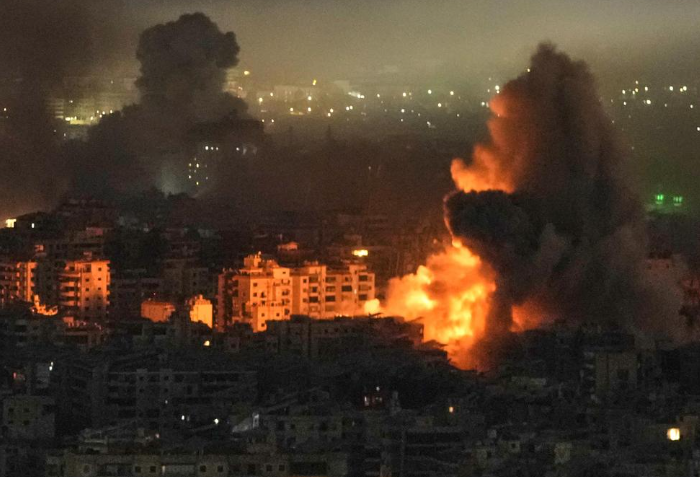
UNITED NATIONS, Oct 16: India has expressed serious concern over the worsening security situation in the Middle East, calling for an immediate halt to hostilities, protection of civilian infrastructure and renewed diplomatic efforts to resolve conflicts across the region.
Addressing a United Nations Security Council debate on the situation in the Middle East on Thursday, India’s Permanent Representative to the UN, Ambassador Harish Parvathaneni, said the escalating violence posed a major challenge to the international community. He stressed that peace, stability and security in the region were essential for the well being of its people and global prosperity.
India strongly condemned repeated attacks on civilian facilities, including airports in Saudi Arabia, which have resulted in casualties. Among those killed was Indian national Mohammad Yousef Ali in Riyadh.
Expressing solidarity with Saudi Arabia, Parvathaneni said India stood firmly with its government and people in defending the country’s sovereignty. He reiterated New Delhi’s position that the crisis must be addressed through restraint, dialogue and diplomacy rather than further military escalation.
The ambassador also warned that continued attacks on commercial vessels, merchant mariners and civilian infrastructure could intensify an already volatile situation. He emphasised that freedom of navigation and the safe passage of maritime trade through international waterways must be protected in accordance with international law.
India Raises Alarm Over Attacks on Commercial Shipping
Highlighting the growing threats to maritime security, Parvathaneni cited recent incidents involving several commercial vessels, including the India-flagged MV DP World Cauvery, which came under attack during the week. He also referred to attacks involving MT Petro Dolphin and MT Valthera in the previous week, followed by incidents involving MT On Peace and MT Kazimah III earlier.
The ambassador described attacks on commercial shipping and merchant seafarers as unacceptable under both legal and moral standards. He noted that several of the affected vessels carried Indian crew members, making their protection a direct priority for the Indian government.
He thanked the authorities in Oman and the United Arab Emirates for their assistance in ensuring the safety of Indian seafarers during the incidents.
With maritime transport handling approximately four-fifths of global trade, India stressed that protecting shipping routes and the people working aboard commercial vessels was essential to international economic stability.
To strengthen international cooperation, India and Liberia launched the Group of Friends on Safety and Security of Shipping and Seafarers on the sidelines of the UN General Assembly’s high-level week last month. According to Parvathaneni, 23 member states joined the initiative, creating a platform for coordinated action to prevent attacks and safeguard seafarers’ rights.
The voluntary initiative aims to encourage practical cooperation among countries, improve maritime security and strengthen responses to emergencies affecting merchant vessels and their crews.
Proposed Network to Assist Seafarers in Emergencies
Parvathaneni also recalled Prime Minister Narendra Modi’s proposal at the BRICS Leaders’ Summit in New Delhi last month to establish a Seafarers Emergency Support Network.
The proposed mechanism would connect maritime authorities and the embassies of concerned countries to facilitate distress alerts, medical assistance, communication between seafarers and their families, and evacuation support whenever necessary.
India believes such coordination could improve emergency responses and reduce risks faced by maritime workers during regional conflicts and attacks on shipping.
India Reaffirms Support for Yemen’s Sovereignty
Addressing the situation in Yemen, India reiterated its commitment to the country’s unity, sovereignty and territorial integrity. New Delhi also opposed external interference in Yemen’s internal affairs.
Parvathaneni stressed that protecting maritime navigation in the Bab el-Mandeb Strait and the southern Red Sea was a shared international responsibility. He warned that attacks on shipping and seafarers, including Indian nationals, threatened international commerce and regional stability.
India called for the protection of these strategic waterways, which are important routes for international shipping and the movement of goods between global markets.
Gaza Humanitarian Crisis Must Not Be Overlooked
India cautioned that the international community’s attention to maritime security and the crisis surrounding the Strait of Hormuz should not overshadow the worsening humanitarian situation in the Gaza Strip.
Reaffirming its condemnation of terrorism, New Delhi recalled its unequivocal denunciation of the October 7, 2023, attacks. At the same time, it called for humanitarian assistance, diplomatic engagement and a negotiated two-state solution to the Israeli-Palestinian conflict.
Parvathaneni said a durable settlement would require sustained international efforts to prevent further civilian casualties and the destruction of essential infrastructure.
India also highlighted its contribution to humanitarian relief through the United Nations Relief and Works Agency for Palestine Refugees in the Near East (UNRWA). The country has provided more than USD 52 million in cumulative assistance to the agency, with flexibility allowing the organisation to utilise India’s contributions for its operational requirements.
New Delhi reiterated that humanitarian relief and political negotiations must remain central to efforts aimed at achieving a lasting settlement.
Protection of UN Peacekeepers in Lebanon
On Lebanon, India emphasised the importance of safeguarding personnel serving with the United Nations Interim Force in Lebanon (UNIFIL). The peacekeepers carry out Security Council mandates in support of international peace and security and must not be subjected to attacks, the ambassador said.
India has strongly condemned assaults on UNIFIL personnel and maintained that their safety and security must remain a priority for all parties.
Parvathaneni further underlined the need to respect the sanctity and inviolability of United Nations premises. He also called for preparations for a possible post-UNIFIL arrangement and continued support for the Lebanese Armed Forces to help maintain stability.
Concluding India’s position, the ambassador reiterated that lasting peace in the Middle East would require an end to attacks on civilians and maritime workers, respect for national sovereignty, protection of international waterways and a renewed commitment to dialogue.
India maintained that the international community must work collectively to prevent further loss of life, strengthen humanitarian assistance and advance diplomatic solutions to the region’s interconnected crises.

