


India-Japan Trade Could Touch USD 50 Billion by 2030: Assocham
Stronger business ties, investment flows and technological cooperation could drive a sharp rise in bilateral commerce over the next four years.
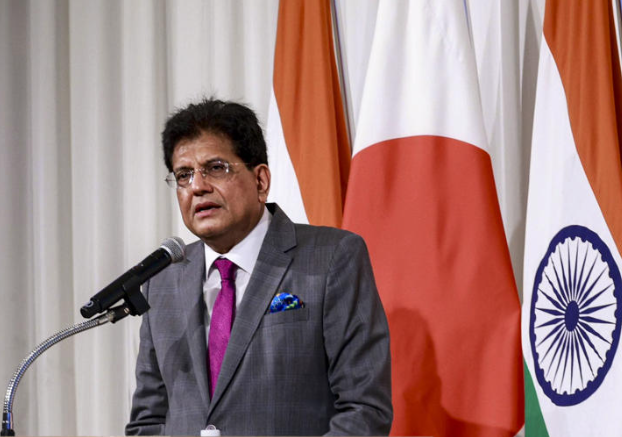
TOKYO, Aug 26: India’s bilateral trade with Japan could rise to USD 50 billion by 2030, driven by stronger economic complementarities, expanding investment opportunities and closer engagement between businesses of the two countries, industry body Assocham said on Wednesday.
The projection was made in an Assocham report on India-Japan relations released during a roundtable on startups in Tokyo. The report highlighted the expanding scope of economic cooperation between New Delhi and Tokyo across several sectors.
According to the report, bilateral commerce stood at USD 27.47 billion in 2025-26. The industry body said a series of recent developments, including high-level exchanges and prospective investment commitments, could provide further momentum to trade over the coming years.
The report comes amid growing efforts by both countries to strengthen commercial partnerships and explore new areas of cooperation. Businesses on both sides are increasingly looking at opportunities in manufacturing, technology, infrastructure and innovation.
Assocham President Nirmal Kumar Minda, who is accompanying the Indian ministers during the visit, said the relationship between India and Japan has expanded considerably and now covers a broad range of economic and developmental areas.
He pointed to cooperation in infrastructure, manufacturing, technology, investment and trade as important pillars of the partnership.
Minda also called for greater collaboration in research and innovation as technological advances continue to reshape the global economy.
He suggested that Japanese companies could consider setting up additional research and development facilities, innovation centres and global capability centres in India. Such initiatives, he said, could help deepen technological cooperation and create stronger links between Japanese industry and Indian academic institutions.
Engineering partnerships with Indian universities and other academic bodies could also provide opportunities for joint research, skills development and technology-led innovation.
The report noted that India’s growing market, expanding technology ecosystem and skilled workforce offer significant opportunities for Japanese companies seeking to broaden their international operations.
At the same time, Japan’s expertise in advanced manufacturing, research and technology could complement India’s capabilities across emerging sectors.
The strengthening of these economic linkages is expected to support greater participation by businesses from both countries and create new avenues for investment.
With bilateral trade currently below the projected 2030 target, sustained policy support, private-sector participation and greater technological collaboration will be crucial to achieving the USD 50-billion ambition.
The industry body said deeper economic engagement could consequently make trade a stronger component of the broader India-Japan strategic partnership.

