


India Links Better Ties with China to Border Peace, Seeks Fair Trade and Stable Supply Chains
Jaishankar tells Wang Yi that sustained peace along the LAC is essential for stronger bilateral relations while urging Beijing to improve market access, reduce trade imbalance and ensure dependable supply chains.
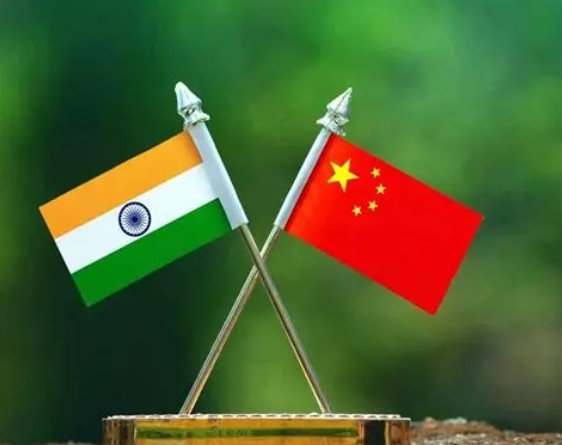
MANILA, July 22: India has reaffirmed that lasting peace along the Line of Actual Control (LAC) remains the cornerstone of its relationship with China, even as bilateral engagement shows signs of improvement. During talks with Chinese Foreign Minister Wang Yi on the sidelines of the ASEAN Foreign Ministers’ Meeting in Manila, External Affairs Minister S. Jaishankar stressed that while diplomatic ties have gradually recovered, meaningful progress will depend on maintaining stability at the border and addressing long-standing economic concerns.
The meeting reflected the cautious optimism that has emerged in India-China relations since Prime Minister Narendra Modi and Chinese President Xi Jinping held discussions in Kazan in October 2024. Subsequent high-level interactions, including another leaders’ meeting in Tianjin, have helped revive diplomatic engagement after years of strained relations following the 2020 military standoff.
Jaishankar noted that the bilateral relationship has been steadily moving towards normalisation over the past several months. However, he underlined that peace in the border areas remains the essential condition for sustaining this positive trajectory.
According to the External Affairs Minister, maintaining tranquillity along the frontier requires continued commitment and regular engagement from both sides. He emphasised that safeguarding stability in the border regions would remain a constant priority for New Delhi as both countries seek to rebuild trust.
India has consistently maintained that political and economic relations with China cannot fully return to normal unless border tensions are effectively managed. The latest remarks reinforce New Delhi’s long-standing position that security considerations remain inseparable from broader bilateral cooperation.
Jaishankar welcomed several confidence-building measures introduced in recent months, describing them as positive steps towards restoring normal exchanges between the two countries. These initiatives include the resumption of direct passenger flights, easing of visa procedures, reopening of border trade, and the restart of the Kailash Mansarovar Yatra after years of disruption.
While acknowledging these developments, the minister also highlighted unresolved economic challenges that continue to affect bilateral ties.
He urged China to provide fair and transparent market access for Indian businesses, pointing out that the widening trade imbalance remains a significant concern. India has repeatedly sought greater opportunities for its exporters and called for a more balanced commercial relationship.
Another major issue raised during the talks was the reliability of global supply chains. Jaishankar stressed the importance of creating predictable and resilient supply networks, particularly at a time when global manufacturing and logistics continue to face disruptions.
The concerns reflect India’s broader strategy of reducing vulnerabilities in critical sectors while encouraging diversified and dependable supply chains. New Delhi has increasingly advocated for secure production networks that minimise unexpected disruptions to trade and industry.
Beyond economic matters, Jaishankar encouraged the revival of institutional dialogue mechanisms that had slowed during the period of heightened tensions. He called for increased official interactions, greater people to people exchanges, and the resumption of bilateral platforms in accordance with mutually agreed priorities.
Such exchanges, he said, would help strengthen mutual understanding and create opportunities to address differences through sustained diplomatic engagement.
During the discussions, Jaishankar reiterated an important principle agreed upon by the leadership of both countries that differences between India and China should not be allowed to evolve into disputes.
He observed that it is natural for two large neighbouring nations with expanding global roles to have varying interests and perspectives. The responsibility of diplomacy, he noted, is to manage those differences constructively and prevent them from undermining overall relations.
The minister’s remarks come at a time when India and China are attempting to stabilise their relationship after several years of military and diplomatic tensions triggered by the clashes along the LAC in eastern Ladakh in 2020.
Although military disengagement and diplomatic dialogue have made progress since late 2024, New Delhi continues to pursue a cautious approach. Officials believe that sustained peace on the border is necessary before the relationship can return to its earlier level of cooperation.
Trade remains another important aspect of the relationship. India has consistently expressed concern over its large trade deficit with China and has sought greater access for Indian goods and services in the Chinese market. Improving commercial reciprocity has become a major objective of New Delhi’s engagement with Beijing.
The discussions in Manila also covered wider regional and international developments. Jaishankar thanked China for supporting India’s BRICS chairmanship this year and emphasised the importance of continued consultations on global issues amid an increasingly complex geopolitical environment.
Both sides exchanged views on regional stability, economic cooperation and multilateral coordination, reflecting their shared interest in maintaining communication despite persistent areas of disagreement.
The latest meeting indicates that while India and China are cautiously rebuilding diplomatic engagement, New Delhi remains firm that border stability, economic fairness and dependable supply chains will continue to shape the future direction of bilateral relations. As both countries navigate an evolving regional landscape, sustained dialogue and practical cooperation are expected to remain central to managing one of Asia’s most significant relationships.

