


India Plans ₹3,000 Crore Incentive Scheme to Boost Lithium and Nickel Processing
Government aims to strengthen domestic battery material production and reduce import dependence as EV adoption accelerates across the country.
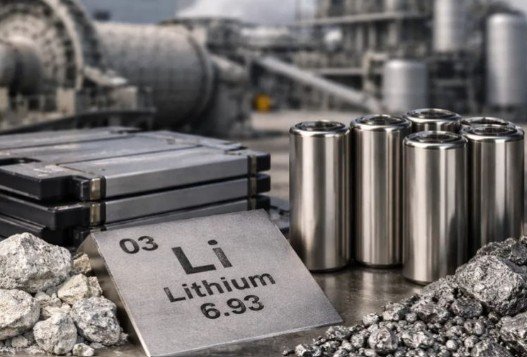
New Delhi, June 04 : The Union Government is set to introduce a new incentive framework worth nearly ₹3,000 crore to encourage domestic processing of critical minerals, particularly lithium and nickel, according to sources familiar with the development.
The proposed initiative is expected to play a significant role in building India’s battery material ecosystem and supporting the country’s long-term electric mobility ambitions. Officials believe that enhancing local processing capabilities will help secure supplies of essential raw materials used in advanced energy storage technologies.
Industry insiders indicated that the policy is in its final stages and could be announced in the coming weeks. The scheme is designed to attract investments in mineral refining and value-addition facilities, creating a stronger foundation for India’s clean energy transition.
Lithium and nickel remain among the most important components in modern rechargeable batteries used in electric cars, scooters, and energy storage systems. As demand for electric vehicles continues to rise, ensuring reliable access to these minerals has become a strategic priority for policymakers.
India has set ambitious targets for electric mobility by the end of the decade, with authorities aiming for a substantial increase in EV adoption across both passenger vehicles and two-wheelers. To support these goals, the government has been exploring measures that strengthen every stage of the battery supply chain, from mineral sourcing to manufacturing.
Sources said that companies seeking benefits under the upcoming programme will likely need to establish processing facilities with significant production capacities. Earlier discussions suggested minimum thresholds for refining operations to ensure that supported projects contribute meaningfully to the country’s industrial capabilities.
The move is expected to complement broader efforts under India’s critical minerals strategy, which focuses on reducing external dependence, improving resource security, and attracting technology driven investments into the sector.
Experts believe that the incentive package could encourage both domestic and international firms to participate in the emerging market, helping India position itself as a key player in the global battery and clean energy value chain.
With the worldwide transition toward electric transportation gathering pace, the planned policy marks another step in India’s efforts to secure essential materials and build a resilient ecosystem for future energy needs.

