


India Reviews Disease Surveillance Network, Focus on Early Detection and Outbreak Preparedness
A national meeting of states and Union Territories on October 15–16 examines disease surveillance, vaccine preventable illnesses, antimicrobial resistance and programmes addressing zoonotic diseases.
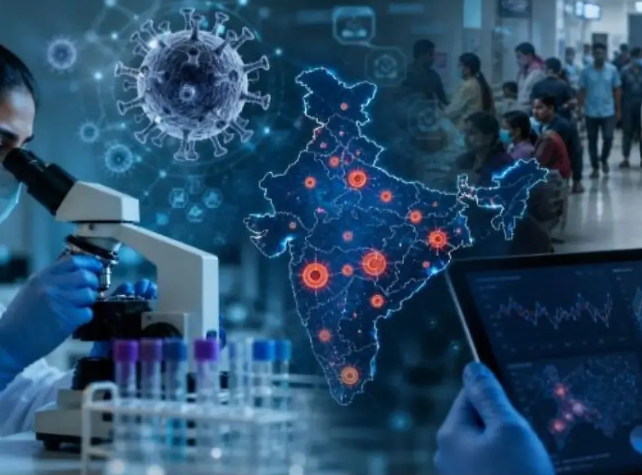
NEW DELHI, Oct. 16: India is reviewing its disease surveillance systems and public health programmes through a national-level meeting of states and Union Territories on October 15 and 16, with discussions covering early disease detection, outbreak preparedness, vaccination, antimicrobial resistance and illnesses transmitted between animals and humans.
The meeting, organised around the country’s Disease Surveillance and Public Health Programme, brings together officials responsible for public health administration and disease control. Its agenda includes reviews of surveillance strategies, programme performance and the use of public health dashboards to assess progress across different regions.
According to the National Centre for Disease Control (NCDC), the two-day meeting is being held at Yashobhoomi in Dwarka, New Delhi. The programme brings together senior public health officials, representatives of the Directorate General of Health Services and programme heads to examine ongoing initiatives and discuss implementation challenges.
The first day’s agenda on October 15 included a review of public health surveillance strategies, quarterly updates and a walkthrough of the public health dashboard. Officials were also scheduled to assess public health scorecards and review the Integrated Disease Surveillance Programme (IDSP).
The second day, October 16, is focused on vaccine-preventable diseases, further updates on the public health dashboard and questions related to programme implementation. The published agenda outlines the subjects under review but does not establish the adoption of any new nationwide measures.
Strengthening early warning systems
Disease surveillance is an important component of public health because it helps authorities identify unusual patterns of illness, investigate possible outbreaks and coordinate responses before infections spread more widely.
A functioning surveillance network relies on timely reporting from healthcare facilities, laboratories and local health authorities. When information is delayed or incomplete, officials may struggle to identify emerging threats or direct medical resources towards the communities that need them most.
India’s size and population make coordination particularly important. Disease patterns can vary considerably between states, districts and urban and rural communities. Seasonal changes, population movement, environmental conditions and access to healthcare can also affect the way infections emerge and spread.
The Integrated Disease Surveillance Programme is intended to support the collection and analysis of information on epidemic-prone diseases and facilitate an organised response to public health threats. Reviews of surveillance performance can help identify gaps in reporting, laboratory support, field investigations and communication between administrative levels.
An effective early warning system must do more than record the number of reported cases. It should help authorities recognise unusual increases, assess whether an event requires investigation and ensure that the findings reach officials responsible for taking action.
The national meeting’s focus on surveillance strategy and quarterly progress provides an opportunity to examine these operational requirements. However, the effectiveness of any review will ultimately depend on how identified gaps are addressed and whether improvements are reflected in routine public health work.
Public health dashboards and performance monitoring
The use of dashboards and scorecards is another key element of the meeting’s agenda. Digital monitoring tools can bring information from multiple programmes together, allowing administrators to review performance and identify areas requiring additional attention.
When data is accurate and updated regularly, dashboards can help decision-makers compare progress across districts, track reporting delays and identify weaknesses in programme delivery. They can also support more structured discussions between national and state authorities.
Nevertheless, the value of these tools depends on the quality of the information entered into them. Incomplete records, inconsistent reporting practices and delays in data submission can affect the reliability of comparisons. Digital systems also need to be accessible to staff who work in facilities with limited connectivity or technical resources.
Public health scorecards should therefore be used alongside field assessments, laboratory findings and feedback from frontline health workers. Numbers can reveal a potential problem, but local investigations are often needed to explain its causes and determine the most appropriate response.
The review of dashboard performance during the meeting is relevant to the broader effort to make public health administration more evidence-based. The important measure of success will be whether the information helps officials make timely decisions and improve services on the ground.
Attention to rabies, snakebite and zoonotic diseases
The programme for October 15 also included reviews of the National Rabies Control Programme, the National Programme for Prevention and Control of Snakebite Envenoming, the Programme for Prevention and Control of Leptospirosis, and the National One Health Programme for Prevention and Control of Zoonoses.
These areas address different but important public health challenges.
Rabies prevention depends on timely medical attention after a suspected exposure, appropriate post-exposure vaccination and, when indicated, immunoglobulin treatment. Public awareness, access to treatment and measures to reduce rabies among animals are also important components of prevention.
Snakebite envenoming requires rapid access to medical assessment and appropriate treatment. Delays in reaching a health facility can increase the risk of serious complications. Public education about seeking professional care and the availability of suitable treatment at health facilities remain important concerns, particularly in rural and remote areas.
Leptospirosis is a bacterial infection associated with exposure to environments contaminated by the urine of infected animals. Risk can rise in certain settings following heavy rainfall or flooding, when people come into contact with contaminated water or soil. Surveillance, timely diagnosis and appropriate treatment can help reduce the likelihood of severe illness.
Zoonotic diseases, meanwhile, are infections that can pass between animals and humans. Their prevention often requires coordination between human health services, veterinary authorities, environmental specialists and local administrations.
Reviewing these programmes together reflects the importance of a coordinated approach. Public health risks do not always fall neatly within the responsibilities of a single department, and information from different sectors can be necessary to recognise and contain a threat.
Antimicrobial resistance and climate-related health risks
Antimicrobial resistance (AMR) and climate-related health concerns were also included in the first day’s programme, alongside disaster management.
Antimicrobial resistance occurs when bacteria, viruses, fungi or parasites no longer respond effectively to medicines designed to treat them. This can make infections harder to manage and increase the risk of complications.
Responsible prescribing, appropriate use of medicines, infection prevention and control, laboratory capacity and reliable surveillance all contribute to efforts to address resistance. Hospitals and community health services both have a role in limiting the unnecessary use of antimicrobial medicines and improving the detection of resistant infections.
Climate conditions can also influence public health risks. Changes in temperature and rainfall may affect the distribution of disease-carrying vectors, while extreme weather events can disrupt healthcare delivery, damage infrastructure and make access to safe water and sanitation more difficult.
Disaster preparedness is therefore closely linked to disease surveillance. During emergencies, authorities need systems that can identify emerging health problems, communicate risks and maintain essential services for vulnerable populations.
The inclusion of these subjects in the national review provides a framework for examining how disease prevention, environmental health and emergency planning can work together.
Vaccine-preventable diseases remain a priority
The October 16 programme places vaccine-preventable diseases under review. Immunisation remains a central public health measure because it can protect individuals and communities against infections that may otherwise cause severe illness, disability or death.
Effective vaccination programmes require reliable supply chains, trained healthcare workers, accurate beneficiary records and public confidence. Authorities must also identify children and other eligible people who miss scheduled doses because of migration, geographical barriers, service interruptions or limited awareness.
Surveillance is important even where vaccination services are well established. Monitoring suspected cases and investigating unusual clusters can help authorities assess whether additional public health action is required.
Routine immunisation also depends on communication between health workers and families. Clear information about vaccination schedules, follow-up doses and access to local services can help reduce missed opportunities.
The national review of vaccine-preventable diseases is intended to examine programme updates and related public health issues. Any specific changes in strategy or implementation would need to be confirmed through subsequent official announcements.
Turning reviews into action
Meetings involving national and state authorities can help establish shared priorities, clarify administrative responsibilities and identify areas where technical support is required. Yet their long-term value depends on implementation after discussions conclude.
States and Union Territories face different challenges because of variations in population distribution, staffing, laboratory access, health infrastructure and local disease patterns. A national framework must therefore support common standards while allowing local authorities to respond to their specific needs.
For surveillance programmes, this can involve improving the speed and completeness of reporting, strengthening laboratory networks, training field teams and ensuring that alerts lead to timely investigations. For disease-control initiatives, it may require better coordination between healthcare facilities and public health departments.
Public communication is equally important. Communities need clear guidance on when to seek medical care, how to reduce exposure to preventable risks and where to obtain appropriate treatment.
The October 15–16 meeting provides a platform to review these interconnected responsibilities. The published agenda identifies the programmes and monitoring systems under discussion, while the practical impact will depend on the follow-up actions taken by the relevant authorities.
As India continues to address infectious diseases, environmental health risks and emerging public health challenges, reliable surveillance and coordinated responses remain essential to protecting communities and strengthening the country’s health system.

