


India, UN Chief Urge Urgent UN Security Council Reforms; Guterres Warns of ‘Law of the Jungle’
India calls for expansion of permanent membership, UN chief says rule of law is giving way to “law of the jungle”
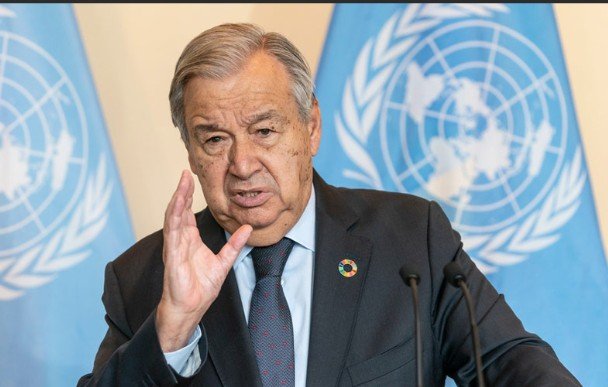
India, Jan 27 : India and United Nations Secretary-General Antonio Guterres have jointly underscored the urgent need to reform the UN Security Council (UNSC), warning that its paralysis is undermining the credibility of the international rule-based order.
Speaking at the UNSC’s hig -level open debate on Reaffirming the International Rule of Law, India’s Permanent Representative to the UN, P. Harish, said the Council must be expanded particularly through the addition of new permanent members to remain effective at a time when the global system is under severe strain.
Harish pointed out that the Council’s inability to decisively address conflicts has exposed serious shortcomings. He said multilateral institutions must evolve in line with present day realities if international law is to remain credible and enforceable.
“For global governance to work, structures created decades ago must adapt to shifts in power, demographics and the nature of today’s challenges,” he said, calling for reforms in both permanent and non-permanent categories of the Council.
Echoing these concerns, Guterres warned that the erosion of multilateralism is leading to a dangerous global environment where norms are increasingly ignored.
“Across the world, the rule of law is being replaced by the law of the jungle,” the UN chief said, stressing that reforming the Security Council can no longer be delayed.
He underlined that the UNSC remains the only body with the legal authority to take binding decisions on international peace and security, including authorising the use of force. According to Guterres, no alternative coalition or forum can legitimately replace this mandate.
“That is precisely why reform is essential to strengthen representation and effectiveness and restore confidence in this Council,” he said.
Harish also cautioned that continued inaction could further marginalise the UN, noting that security discussions are increasingly shifting to parallel and plurilateral groupings outside the organisation, sometimes even involving private actors.
Both remarks come amid broader global debates on the relevance of the UN system, with critics arguing that the Security Council reflects a post-World War II power structure that no longer aligns with current geopolitical realities.
As international conflicts multiply and unilateral actions gain ground, India and the UN leadership warned that comprehensive UNSC reform is critical to preserving the authority of international law and the central role of the United Nations in maintaining global peace and security.

