


India urged to strengthen agricultural R&D to remain globally competitive: RG Agarwal
Dhanuka Agritech chief stresses innovation, credit access, and stronger research infrastructure as keys to boosting productivity and self-reliance in Indian agriculture.
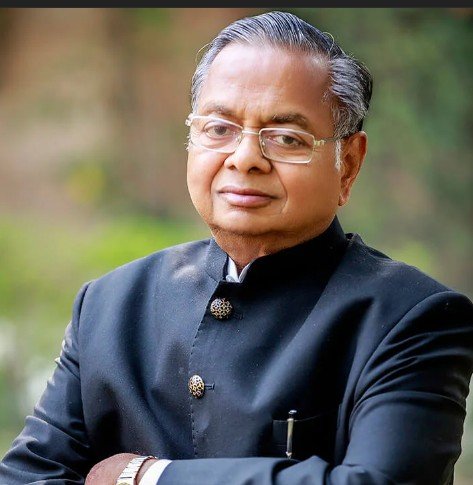
Mumbai, Dec 10 : RG Agarwal, Group Chairman of Dhanuka Agritech and Chair of the PHDCCI Agribusiness Committee, on Monday highlighted the urgent need for India to strengthen research and development (R&D) in agriculture to remain competitive in global markets.
In an exclusive interview with UNI, Agarwal pointed out that India’s agricultural R&D expenditure, at just 0.7% of GDP, remains far behind nations like Israel, which invests over 4%. He stressed that the recent withdrawal of a 2% tax exemption on R&D has come at a critical time when investment in agricultural science is already constrained by high costs and limited institutional support.
“The lack of incentives makes it harder for companies to drive scientific development,” Agarwal said. He highlighted that most modern pesticide molecules and formulations are developed abroad, leaving India dependent on imports due to the absence of a robust domestic research ecosystem. Setting up a single pesticide research centre requires Rs 2,500–3,000 crore, making government support essential.
Agarwal also noted that Indian laboratories face equipment shortages, with limited access to advanced tools such as High-Performance Liquid Chromatography (HPLC) and Gas Liquid Chromatography (GLC), critical for pesticide and crop research. He added that Indian farmers use far less pesticide compared to countries like Brazil and China, and stressed that better technology and farmer training, rather than blanket restrictions, are needed for safe crop protection.
Highlighting financial barriers, Agarwal called for improved credit access for farmers, emphasizing the role of schemes like the Kisan Credit Card (KCC) in enabling investments in seeds, fertilisers, machinery, and modern farming technologies.
“With rising input costs, climate risks, and global competition, India cannot rely on traditional practices alone. Innovation, scientific research, and precision agriculture are the future,” Agarwal said.
He urged policymakers to prioritise strengthening laboratories, promoting R&D investment, developing indigenous crop protection solutions, and building a strong credit framework. According to him, these steps will not only enhance productivity and farmer incomes but also ensure long-term sustainability and self-reliance in agriculture.
Agarwal concluded that the next decade presents India with a unique opportunity to transform its agricultural sector—if strategic investments in technology, research, and infrastructure are made now.

