


India-US Trade Agreement Nears Breakthrough as Talks Enter Advanced Stage
External Affairs Minister S Jaishankar says negotiations are progressing towards a possible agreement, raising expectations of stronger bilateral commerce, improved market access and expanded investment opportunities.
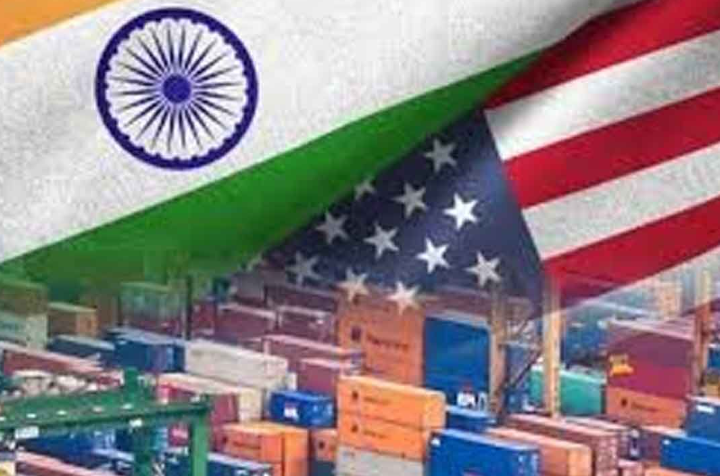
New Delhi, October 14: India and the United States are moving closer to a possible trade agreement, with negotiations between the two countries reaching an advanced stage, External Affairs Minister S Jaishankar said on Tuesday. The development has raised expectations of renewed momentum in bilateral economic relations as both countries seek to strengthen commercial ties amid changing global trade conditions.
Jaishankar indicated that discussions had progressed considerably, although some important issues remained unresolved. The negotiations are part of wider efforts to expand economic cooperation, improve market access and establish a more predictable framework for businesses operating across the two markets.
The proposed agreement is being closely watched by exporters, manufacturers, technology companies and investors, given the importance of the American market to India’s merchandise and services trade. A successful outcome could create additional opportunities for Indian businesses while strengthening the commercial relationship between the world’s two largest democracies.
However, the final impact will depend on the agreement’s terms, including tariff arrangements, access for goods and services, regulatory requirements and the treatment of sensitive sectors.
Tariffs remain central to negotiations
Tariffs have emerged as one of the most important issues in the discussions. Differences over import duties can influence the competitiveness of products, affect supply-chain decisions and determine whether companies find it commercially attractive to expand exports into another country.
For Indian exporters, access to the US market is particularly significant in sectors such as textiles, pharmaceuticals, engineering goods, chemicals, gems and jewellery, and information technology services. More favourable trade conditions could help businesses compete with suppliers from other economies and expand their international customer base.
American companies, meanwhile, have commercial interests in India’s large consumer market, growing manufacturing capabilities and expanding demand for technology, energy, machinery and other products.
A mutually acceptable tariff framework could help reduce uncertainty for businesses planning long-term investments. Companies making decisions about factories, sourcing arrangements and distribution networks generally require clarity on the duties and regulatory conditions that will apply to their products.
Nevertheless, tariff negotiations often involve competing domestic priorities. Governments seek to protect strategically important industries while providing consumers and businesses with access to competitively priced goods.
The two countries will therefore need to balance commercial ambitions with concerns relating to domestic producers, employment and industrial development.
Jaishankar’s remarks suggest that the negotiations have made progress, but they do not establish that a final agreement has been concluded. Further discussions may be necessary before both governments settle the outstanding provisions and announce a formal arrangement.
Opportunities for Indian exporters
An agreement that improves market access could provide a significant opportunity for Indian exporters seeking to increase their presence in the United States.
Labour-intensive industries, including textiles, garments, leather products and selected manufactured goods, could benefit if tariff reductions improve their price competitiveness. These sectors support employment across manufacturing clusters and often depend on access to large overseas markets for expansion.
Engineering and industrial manufacturers could also gain from more predictable trading conditions. Businesses producing machinery, components and specialised equipment may be better positioned to secure longer-term contracts if uncertainty over import duties declines.
The pharmaceutical industry represents another important area of bilateral commerce. India has established itself as a major supplier of generic medicines, while the United States remains an important market for pharmaceutical products. Any changes affecting tariffs, regulatory procedures or market access would be relevant to companies operating in this sector.
Information technology and professional services also form a substantial part of the economic relationship. Indian companies provide software development, consulting, engineering and business-process services to American clients. Although services trade operates under different rules from merchandise trade, broader economic cooperation could support partnerships and investment in digital technologies.
The precise benefits, however, would depend on the provisions eventually agreed upon. Tariff concessions alone would not automatically eliminate non-tariff barriers, licensing requirements or differences in domestic regulations.
Investment and manufacturing could receive a boost
Beyond exports, a trade agreement could influence investment decisions in both countries. Businesses often consider tariff structures, market access and regulatory stability when determining where to manufacture products and establish supply chains.
India has been seeking to expand its manufacturing base, attract foreign investment and increase the contribution of higher-value production to economic growth. Improved commercial arrangements with the United States could complement these objectives by encouraging partnerships in electronics, industrial equipment, clean energy and other technology-driven sectors.
American companies could find opportunities to expand production, research and development, and distribution operations in India. Indian businesses could also use stronger commercial links to develop relationships with overseas customers, suppliers and technology partners.
The benefits would not be limited to large corporations. Smaller manufacturers and component suppliers could gain indirectly if major companies increase procurement from domestic supply chains.
However, converting a trade agreement into additional investment would require more than tariff concessions. Businesses would also assess infrastructure quality, logistics costs, access to skilled workers, taxation, regulatory procedures and the availability of reliable suppliers.
The implementation of any agreement would therefore be important in determining whether improved market access translates into sustained investment and employment.
Changing global trade conditions add urgency
The negotiations are taking place at a time when international businesses are reassessing their supply chains amid geopolitical tensions, energy-market volatility and changes in trade policy.
Companies increasingly seek to diversify sourcing arrangements to reduce dependence on a limited number of suppliers or production locations. India could benefit from this trend if it offers competitive manufacturing costs, dependable infrastructure and a stable regulatory environment.
Closer trade ties with the United States could support such diversification by creating opportunities for businesses to develop alternative production and procurement arrangements.
At the same time, global economic uncertainty presents risks. Higher energy prices can raise manufacturing and transportation expenses, while weaker demand in major markets may limit export growth. Currency movements and changing interest-rate expectations can also affect investment decisions.
An agreement could provide greater certainty on selected aspects of bilateral commerce, but it would not eliminate these broader economic pressures.
For Indian policymakers, the challenge will be to secure commercially meaningful concessions while preserving sufficient flexibility to support domestic development priorities.
Consumers and businesses may see different effects
The potential effects of a trade agreement would vary across industries and consumer groups. Lower tariffs on selected imported products could reduce costs for businesses that depend on overseas machinery, components or raw materials.
If companies pass these savings on, consumers could also benefit from lower prices or a wider range of products. However, the actual outcome would depend on exchange rates, distribution expenses, domestic taxes and the degree of competition in individual markets.
Domestic manufacturers could face stronger competition if import duties decline on products they currently supply. While competitive pressure can encourage efficiency and innovation, some industries may seek transitional arrangements to adjust to new conditions.
For this reason, the composition of the agreement will matter as much as the announcement itself. The coverage of tariff reductions, the pace of implementation and provisions addressing regulatory disputes will influence how quickly companies can respond.
Businesses will also need to review compliance requirements and determine whether the final terms make particular exports or investment projects more commercially attractive.
Next steps will determine the outcome
The immediate priority for both governments is to resolve the remaining differences and establish the terms of any agreement. Once negotiations are concluded, the details will need to be communicated clearly so that companies can assess the practical implications.
Exporters will examine tariff schedules and eligibility requirements, while manufacturers will evaluate sourcing strategies and potential changes in production costs. Investors are likely to look for evidence that the agreement can provide lasting stability rather than short-term commercial relief.
For India, the negotiations represent an opportunity to strengthen access to a major export market while encouraging investment and industrial development. For the United States, closer economic engagement could deepen commercial links with a large and expanding economy.
Jaishankar’s comments provide a positive signal about the direction of the talks, but the final assessment will depend on the concessions secured by both sides and the implementation framework.
If the negotiations produce a balanced and workable agreement, the outcome could strengthen bilateral trade and create fresh opportunities for businesses across multiple sectors. Until the details are finalised, however, exporters and investors will need to distinguish between progress in negotiations and confirmed changes to trading conditions.

