


India-US Trade Deal Ensures Safety for Indian Agriculture
India-US Trade Deal Derisks Indian Agriculture, Provides Strategic Stability
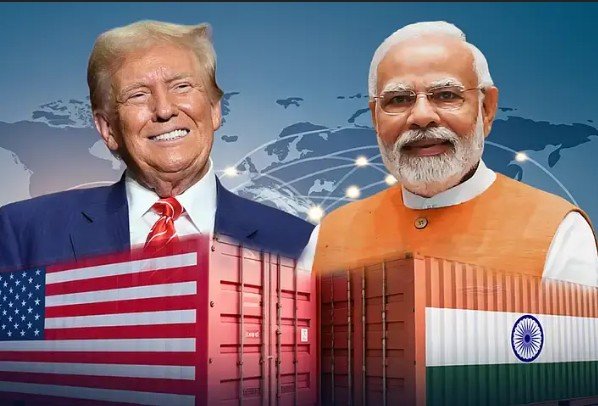
India, Feb 13: The India-US trade deal has sparked intense debate, with concerns about farmer vulnerability, tariff imbalances, and food security. Yet, measured against core principles consumer protection, farmer livelihoods, and national food security the agreement appears to strategically derisk Indian agriculture rather than expose it.
Consumer Protection: Safeguarding Price Stability
India’s agricultural system, deeply linked to public distribution, buffer stocks, and minimum support prices (MSP), remains insulated from global volatility in staple crops such as wheat and non-basmati rice. Dairy, pulses, and poultry are also shielded. By protecting these sectors, the deal prevents sudden price shocks from affecting households, while selective openings in niche or deficit segments can smooth supply gaps without destabilising the core.
Producer Protection: Avoiding Sudden Exposure
Small and marginal farmers dominate Indian agriculture, operating under tight margins. By keeping staples insulated from American mechanised and subsidised agriculture, the deal avoids abrupt market shocks. For deficit commodities like edible oils, imports are already managed, and the agreement simply operates within existing supply dynamics. Controlled engagement ensures that farmers are not exposed to unfair competition, preserving livelihoods.
Food Security: Sovereignty in Staples
The agreement does not compromise India’s procurement systems, buffer stocks, or capacity to regulate trade flows in times of stress. Core food security resilience against supply-chain disruptions, geopolitical risks, and climate shocks remains intact. The deal allows selective integration elsewhere while safeguarding the strategic base of domestic staples.
Strategic Opportunities: Value Chain Expansion
While staples are protected, the agreement opens avenues for premium and processed agricultural products, encouraging diversification, value addition, and higher farm incomes. By integrating into high-value export markets, India can shift focus from volume-based staples to branded exports, processed foods, and specialised crops, aligning with long-term agricultural growth objectives.
Reform Imperative: Structural Challenges Remain
Derisking through trade policy does not address internal challenges such as productivity stagnation, fragmented landholdings, storage gaps, and insufficient processing. Long-term sustainability depends on technological improvements, better extension services, and efficiency gains. The deal creates an enabling environment for reform but requires proactive policy implementation to achieve full potential.
A Calibrated Balance
The India-US trade agreement exemplifies a careful balance between consumer stability, producer protection, and strategic engagement. By shielding staples, managing deficit commodities, and selectively opening export avenues, the deal reduces vulnerability while creating scope for competitive positioning. Effective leveraging of this framework can not only derisk Indian agriculture but also reposition it for higher productivity and global integration.

