


India Waives Customs Duty on Key Petrochemical Imports Amid West Asia Tensions
Temporary relief aims to stabilise industries and ease cost burden amid West Asia conflict
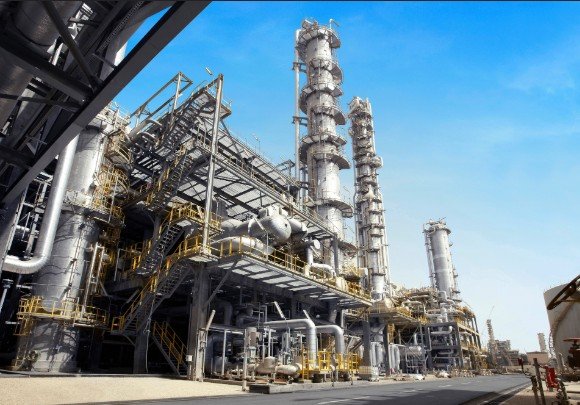
NEW DELHI, Apr 2: In a significant move to cushion the impact of global supply disruptions, the Centre on Thursday announced a complete waiver of customs duty on select essential petrochemical products. The decision is intended to maintain steady availability of industrial inputs and reduce cost pressures across multiple sectors affected by the ongoing tensions in West Asia.
According to an official statement issued by the Finance Ministry, the exemption will remain in effect until June 30. The measure is designed as a short-term intervention to support domestic industries that rely heavily on petrochemical feedstock and intermediates.
Sectors such as plastics, packaging, textiles, pharmaceuticals, chemicals, and automobile components are expected to benefit from this relief, as they depend on consistent access to these raw materials for production.
The ministry noted that disruptions in global supply chains triggered by the escalating conflict in West Asia have led to uncertainty in the availability of critical imports. The exemption is aimed at ensuring uninterrupted supply, controlling input costs, and safeguarding manufacturing output within the country.
Among the items covered under the duty waiver are methanol, anhydrous ammonia, toluene, styrene, dichloromethane, vinyl chloride monomer, polybutadiene, styrene-butadiene, and unsaturated polyester resins.
Concerns over supply have intensified due to shipping disruptions and rising geopolitical tensions, particularly affecting imports of fertilisers, crude oil, and natural gas areas where India remains heavily import dependent.
Meanwhile, international crude oil prices have surged sharply following recent military actions involving the United States and Israel against Iran, and subsequent retaliatory measures. In response, the government has already taken steps to shield consumers by reducing excise duty on petrol and diesel, while also imposing export duties on diesel and aviation turbine fuel to manage domestic supply.
Officials said the latest move complements these earlier measures and is aimed at maintaining economic stability during a period of global uncertainty.

