


India’s Ethanol Expansion Sparks Fresh Debate Over Economic and Resource Sustainability
Industry and policymakers weigh fuel security gains against concerns over agricultural inputs and production costs.
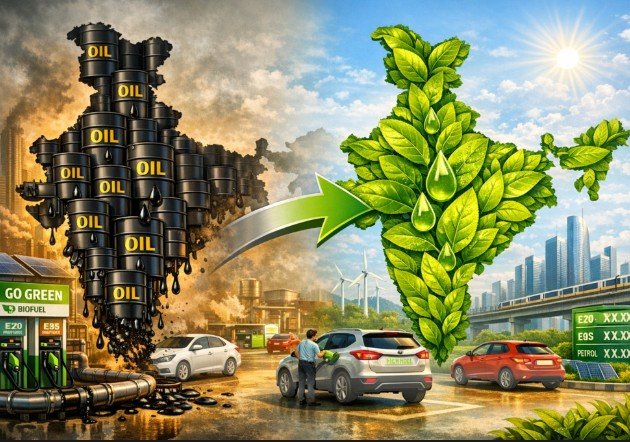
New Delhi, Aug. 6: India’s accelerated ethanol blending programme has triggered renewed discussion over its long-term economic viability, with experts and political leaders debating whether the benefits of reduced crude oil imports outweigh the pressure on agricultural resources.
Supporters of the initiative argue that increasing ethanol blending strengthens India’s energy security, lowers dependence on imported petroleum and creates new income opportunities for farmers and sugar mills. The programme has also encouraged investments in distilleries and biofuel infrastructure across several states.
However, critics contend that the current production model relies heavily on crops such as sugarcane, rice and maize, raising concerns over water usage, food availability and input costs. They argue that a sustainable biofuel strategy should increasingly shift towards agricultural waste and second generation ethanol technologies.
Industry observers believe the debate is likely to influence future policy decisions, particularly regarding feedstock diversification and financial incentives. Greater adoption of alternative raw materials could improve the environmental and economic balance of the programme while reducing pressure on conventional crops.
Economists say the success of India’s biofuel roadmap will depend on maintaining equilibrium between energy transition goals, agricultural sustainability and fiscal support mechanisms. They emphasise that long-term investments in technology and efficient resource management will be essential for ensuring the programme remains commercially and environmentally sustainable.
As the ethanol blending target advances, policymakers are expected to continue reviewing the framework to address industry challenges while supporting India’s clean energy ambitions.

