


India’s first lithium reserves found in the Salal-Haimana region in the Reasi district of J&K
First lithium reserves identified in J&K: 5.9 million tonnes of lithium reserves have been found in Jammu and Kashmir for the first time in India.
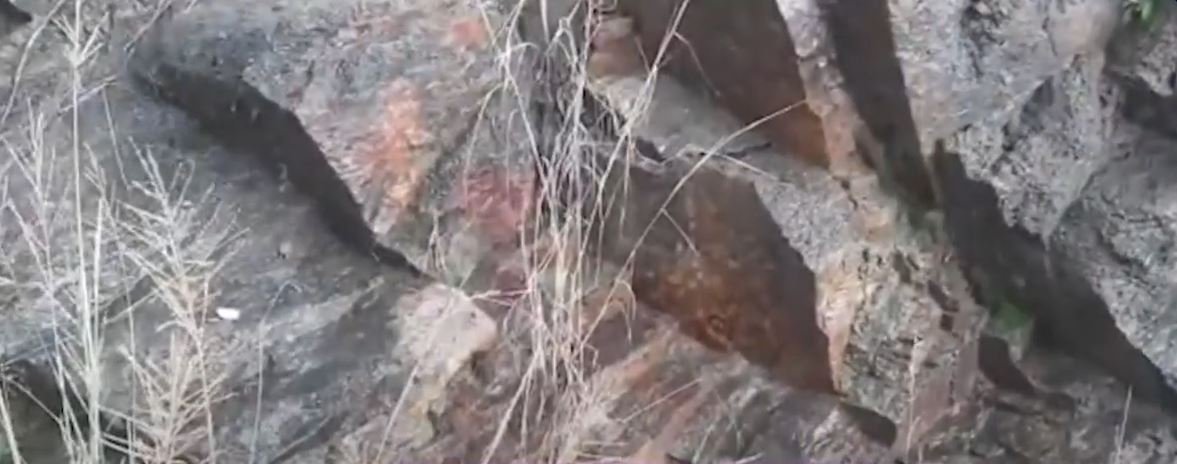
11-02-2023 : According to a statement made by the Mines Ministry on Thursday (February 9), 5.9 million tonnes of lithium deposits have been found for the first time in India in Jammu and Kashmir.
The Geological Survey of India has made a historic discovery of 5.9 million tonnes of lithium inferred resources (G3) in the Salal-Haimana region of the Reasi district of Jammu and Kashmir, according to the Ministry of Mines.
It also mentioned that 51 mineral parcels, including gold and lithium, were given to state governments.
One of the essential components of EV batteries is the non-ferrous metal lithium.
These 51 mineral blocks are divided into five blocks related to gold and the remaining blocks related to commodities like potash, molybdenum, base metals, etc. They are spread across the 11 states of Jammu and Kashmir (UT), Andhra Pradesh, Chhattisgarh, Gujarat, Jharkhand, Karnataka, Madhya Pradesh, Odisha, Rajasthan, Tamil Nadu, and Telangana.
Lithium-ion battery prices increased last year for the first time in the EV era. Elon Musk lamented lithium’s “insane” surge and claimed that one of the major challenges facing Tesla Inc. was the high cost of raw materials.
As Prime Minister Narendra Modi pledges to achieve net zero by 2070, the central government has announced incentives worth at least $3.4 billion to speed up its sluggish adoption of EVs. The theory is that producing the most expensive component—batteries—locally will lower the final price for the mass market and position the nation as a potential exporter, taking advantage of the soaring worldwide demand.
Billionaires like Mukesh Ambani, whose Reliance Industries Ltd. is building an EV battery facility as part of a larger $76 billion push into sustainable energy, are interested in the efforts.
Ambani’s is one of three companies—along with bullion refiner Rajesh Exports Ltd. and scooter producer Ola Electric Mobility Pvt.—that will receive incentives as part of a $2.3 billion programme to support the development of novel battery cells.
The world’s second-most populated country lacks a large fraction of the raw materials needed to produce lithium-ion batteries on a global scale, let alone to meet domestic demand, which Crisil forecasts would multiply 100-fold by 2030.
The need for the metals used in lithium-ion batteries, such as lithium, nickel, cobalt, and others, is rising as society moves away from gasoline-powered internal combustion engines.

