


India’s Fuel Strategy Explained: Puri Details Why Petrol Prices Stay Relatively Low
Oil minister links stable retail fuel prices to ethanol blending, diversified sourcing and a shift towards maize-based biofuel production
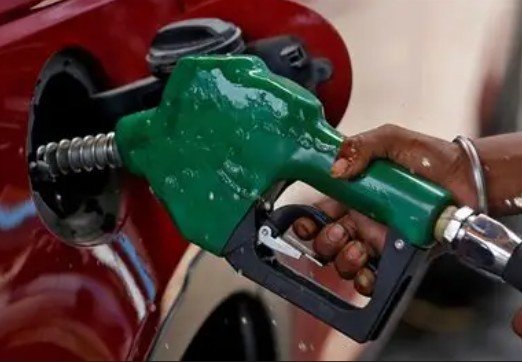
New Delhi, Jul 10: Petroleum and Natural Gas Minister Hardeep Singh Puri on Friday said India remains among the countries offering the cheapest petrol globally, asserting that the Centre’s aggressive ethanol blending programme has played a key role in shielding consumers from the volatility of international crude oil markets.
In a post on X, Puri said the ethanol-blending policy has emerged as one of the major factors behind India’s relatively lower petrol prices at a time when several countries are grappling with the impact of rising crude oil rates. He noted that unlike imported crude, ethanol procured domestically from Indian farmers is purchased at a fixed price for the entire year, helping the government and oil marketing companies reduce exposure to sudden swings in global energy markets.
“Today, India is among the countries providing the world’s cheapest petrol, and a major reason behind this is also ethanol blending. When the world is troubled by rising crude oil prices, India has ethanol purchased from its farmers, whose price remains fixed for the entire year,” the minister said.
Puri’s remarks come against the backdrop of fresh geopolitical uncertainty in West Asia, where conflict-related tensions have pushed up crude oil prices and revived concerns over fuel inflation across major importing economies. The pressure on global energy markets has translated into higher domestic fuel costs in many countries, but India has so far managed to avoid a comparable surge in retail petrol prices.
Speaking in an interview with Times Now, the minister said the use of ethanol in petrol has reduced India’s dependence on fluctuations in global Brent crude prices, which have moved sharply in recent months. He pointed out that international crude benchmarks have ranged from around 68 dollars to as high as 128 dollars in the past few months, underscoring the vulnerability of fuel-importing nations to external shocks.
According to Puri, blending ethanol with petrol has given India a strategic cushion by replacing a portion of fossil fuel consumption with a domestically produced alternative. This has not only moderated the impact of imported oil costs on pump prices but also supported broader policy goals linked to energy security, rural income generation and environmental sustainability.
The minister also highlighted changes in the feedstock pattern for ethanol production, saying India is gradually moving away from water-intensive crops such as sugarcane and rice and promoting lower water alternatives like maize. He said the shift is intended to balance energy needs with agricultural sustainability, while also creating new income opportunities for farmers.
In another post on social media, Puri said maize now accounts for nearly 35 per cent of ethanol production in the country. He described the transition as a positive step for both farm incomes and water conservation, arguing that the ethanol programme is no longer just an energy initiative but also a rural development and resource-management strategy.
“India has shifted from high-water crops like sugarcane and rice towards low-water crops like maize for ethanol production. This is increasing farmers’ income as well as conserving water. Today, maize’s share in ethanol production has reached nearly 35%,” he said.
The government has in recent years aggressively pursued ethanol blending under its broader strategy to reduce dependence on imported crude oil, improve energy self reliance and cut carbon emissions. India had advanced its target of 20 per cent ethanol blending in petrol, and officials have repeatedly projected the programme as one of the country’s most significant energy sector reforms.
The push has also been linked to the government’s efforts to create a more resilient fuel supply chain. By encouraging domestic procurement of ethanol and expanding the range of crops used for biofuel production, policymakers have sought to reduce the economy’s vulnerability to external oil shocks while giving farmers an additional market for their produce.
At the same time, the minister’s defence of India’s fuel pricing framework comes amid concerns over the financial stress being faced by state-run oil marketing companies. According to a report by The Economic Times, public sector oil firms are estimated to have suffered losses of around Rs 75,000 crore in the first quarter due to a lag in retail price revisions despite elevated crude prices.
The reported losses have reignited debate over the burden carried by oil marketing companies when global crude prices rise but domestic pump prices are not increased in tandem. Industry observers have pointed out that while consumers may be protected in the short term, prolonged under-recoveries can weigh heavily on the balance sheets of state-run retailers.
Even so, the government has continued to emphasise that India’s fuel pricing must be viewed in the context of a broader energy strategy that balances consumer affordability, farmer welfare, import dependence and macroeconomic stability. Puri’s comments suggest the Centre sees ethanol blending not merely as an alternative fuel measure, but as a structural tool to manage inflationary risks in the petroleum sector.
The minister’s remarks are likely to feed into the larger political and economic debate over how India navigates fuel affordability at a time of volatile crude markets, conflict driven supply uncertainty and rising pressure on public sector oil companies. With global energy prices remaining sensitive to geopolitical developments, the government appears set to continue positioning ethanol blending as a central pillar of its fuel security strategy.

