


India’s GDP Growth Revised Up: RBI Projects 7.3% for FY26
RBI Cuts Repo Rate to 5.25%, Raises FY26 GDP Forecast to 7.3% Amid Low Inflation
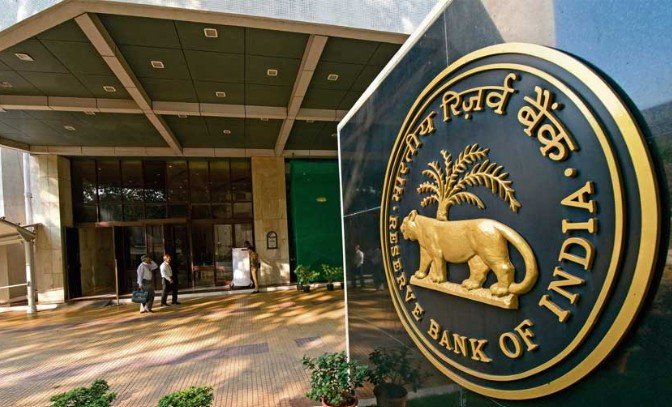
Mumbai, Dec 05 : The Reserve Bank of India (RBI) on Friday announced a 25‑basis‑point reduction in the policy repo rate, bringing it down to 5.25 per cent. The decision, unanimously approved by the six‑member Monetary Policy Committee (MPC), comes as inflation hits record lows and India’s economy accelerates to its fastest pace in six quarters.
Alongside the rate cut, the MPC retained a neutral policy stance, indicating that while the central bank is cautiously optimistic, it is not yet committing to a full easing cycle.
RBI Revises GDP Outlook Upwards
In a significant update, the RBI raised India’s GDP growth projection for FY2025–26 to 7.3 per cent, up from 6.8 per cent in its October forecast, reflecting stronger than expected economic performance. Quarterly projections were revised as follows:
Quarter Earlier Revised
Q3 FY26 6.4% 7%
Q4 FY26 6.2% 6.5%
For FY2026–27, the central bank projects 6.7% growth in Q1 and 6.8% in Q2. RBI Governor Sanjay Malhotra highlighted, “Services exports are expected to remain strong while merchandise exports face headwinds. Taking all factors into account, real GDP growth is projected at 7.3 per cent, up from earlier estimates. Headline CPI inflation fell to an all-time low in October 2025, driven by a faster-than-expected correction in food prices.”
Neutral Policy Stance Maintained
Governor Malhotra reiterated that the MPC will continue with a neutral stance. To support liquidity, the RBI will conduct Open Market Operations (OMO) purchases of government securities worth Rs 1 lakh crore and a three‑year rupee buy sell swap of $5 billion in December. He added that with inflation easing significantly, the MPC now has greater room for future policy action.
The three day MPC meeting, which began Wednesday, concluded at a pivotal moment for the economy. With retail inflation at historic lows and growth demonstrating resilience, markets had anticipated a potential monetary easing after four consecutive meetings of steady rates.

