


India’s Retail Inflation Eases Further in June, Strengthening Expectations of Lower Interest Rates
Softer food prices and improving supply conditions provide relief to households and boost confidence across business sectors
New Delhi, July 17: India’s retail inflation continued its downward trajectory in June 2026, offering fresh relief to consumers and businesses while reinforcing expectations that the Reserve Bank of India (RBI) could maintain an accommodative monetary policy in the coming months.
According to official data released on July 16, the Consumer Price Index (CPI)-based inflation remained comfortably within the RBI’s target range, driven primarily by easing food prices, stable fuel costs, and improved agricultural supplies. Economists believe the moderation in inflation will create favourable conditions for stronger consumer spending, higher investments, and sustained economic growth during the second half of the financial year.
The latest figures have been welcomed by industry leaders, financial institutions, and market analysts, who see the development as a positive signal for India’s broader economic outlook.
Food Inflation Continues to Moderate
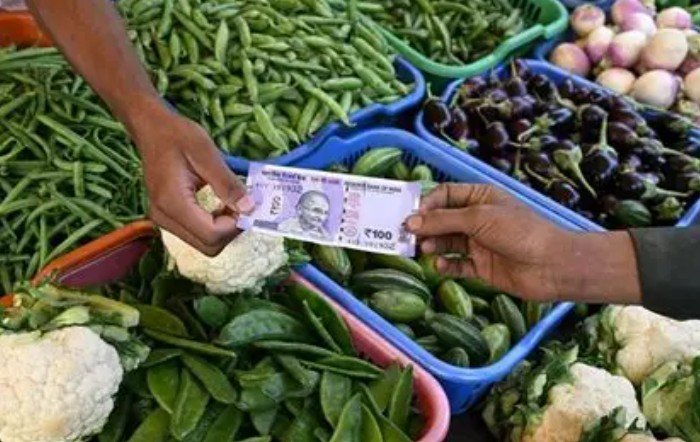
One of the biggest contributors to the decline in retail inflation has been the steady fall in food prices.
Improved harvests, better monsoon distribution, and efficient supply chain management helped stabilise prices of vegetables, cereals, pulses, and edible oils. Seasonal availability of fresh produce also contributed to easing inflationary pressures across urban and rural markets.
Economists noted that food inflation, which often remains the largest component of India’s inflation basket, has shown remarkable stability over recent months, helping reduce overall consumer price growth.
Lower food prices have increased disposable income for households, encouraging higher spending on discretionary goods and services.
Industry Expects Consumption to Improve
Business leaders believe lower inflation will strengthen consumer confidence and support demand across multiple sectors.
Retail companies, automobile manufacturers, consumer durable firms, and real estate developers are expected to benefit from improved purchasing power.
Industry associations said stable prices create a favourable environment for long-term business planning while reducing uncertainty surrounding production costs.
Companies are also likely to experience healthier sales during the upcoming festive season if inflation remains under control.
RBI Gets More Policy Flexibility
The latest inflation data has strengthened expectations that the Reserve Bank of India may continue with a supportive monetary policy stance.
With inflation remaining below the central bank’s upper tolerance limit, policymakers have greater flexibility to encourage economic growth without worrying about excessive price pressures.
Financial market participants believe stable inflation could eventually support lower borrowing costs for businesses and consumers if overall economic conditions remain favourable.
Lower financing costs would encourage fresh investments across manufacturing, infrastructure, housing, and small businesses.
Financial Markets React Positively
Indian equity markets responded positively following the release of the inflation data.
Investors viewed the moderation in consumer prices as supportive for corporate earnings and future economic expansion.
Banking, automobile, FMCG, and real estate stocks witnessed buying interest as expectations grew that stable inflation would improve demand across sectors.
Bond markets also reflected optimism, with expectations of stable interest rates boosting investor sentiment.
Businesses See Improved Growth Prospects
Several economists believe controlled inflation will support India’s domestic demand-led growth model.
Lower input costs enable businesses to manage expenses more effectively while maintaining competitive pricing for consumers.
Small and medium enterprises (SMEs), which are particularly sensitive to borrowing costs and raw material prices, are expected to benefit significantly from a stable inflation environment.
Export-oriented companies may also gain as predictable domestic costs improve overall competitiveness.
Government Focuses on Price Stability
The government continues to monitor supply chains, food production, and commodity prices to ensure inflation remains under control.
Measures aimed at improving agricultural productivity, strengthening logistics infrastructure, and maintaining adequate buffer stocks have played an important role in stabilising prices over recent months.
Officials believe maintaining inflation within the RBI’s target range will remain essential for supporting sustainable economic growth and protecting household purchasing power.
Outlook Remains Positive
Economists expect inflation to remain manageable over the coming months, provided weather conditions remain favourable and global commodity prices do not witness sharp volatility.
With improving macroeconomic indicators, stable inflation, and resilient domestic demand, India is well-positioned to maintain one of the fastest-growing major economies in the world.
Businesses are now closely watching upcoming RBI policy decisions, which could further shape investment sentiment and economic momentum during the remainder of 2026.

