


India’s Trade Deficit Narrows to $30 Billion as Merchandise Exports Surge
Indian goods exports rise 23 per cent in September, supported by stronger shipments to the United States, while weaker services receipts and global uncertainties remain challenges for the economy.
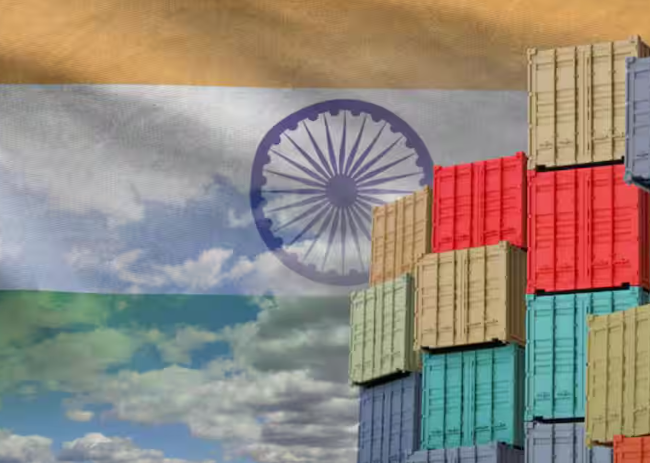
NEW DELHI, Oct. 16: India’s merchandise trade deficit narrowed to approximately $30 billion in September 2026 as goods exports recorded strong growth, offering some relief amid elevated energy costs and uncertainty in the global trading environment.
The latest trade figures, reported by The Indian Express on October 16, showed that merchandise exports increased by 23 per cent during September. Shipments to the United States recorded particularly strong growth, while exports to the United Arab Emirates declined, highlighting differences in demand across India’s major trading destinations. The improvement in merchandise trade comes at a time when Indian businesses are navigating shifting international demand, higher transportation expenses and uncertainty over tariffs. Export performance is therefore an important indicator of how effectively domestic manufacturers and suppliers are responding to changing global conditions.
US demand supports Indian exports
The United States remained a significant destination for Indian goods during September, with exports to the country increasing by 48 per cent, according to the published trade report.
Stronger shipments to the American market can benefit a broad range of Indian businesses, including manufacturers, engineering companies, textile exporters and suppliers of consumer products. Sustained demand from overseas buyers can also help companies maintain production levels, improve capacity utilisation and plan new investments.
However, the growth in shipments comes amid continuing discussions between New Delhi and Washington over their proposed trade agreement. Exporters are looking for greater clarity on tariffs and market-access conditions so that they can make pricing and investment decisions with greater confidence.
For Indian businesses, the combination of stronger demand and predictable trade rules would provide a more supportive environment for expanding exports. Any disruption to market access, by contrast, could affect orders and profit margins.
Decline in shipments to the UAE
While exports to the United States rose, shipments to the United Arab Emirates fell by 12 per cent in September, according to the same report.
The contrasting performance demonstrates that India’s export recovery remains uneven across markets. Demand conditions, shipping costs, regional economic developments and the product mix can all influence trade flows from one destination to another.
The UAE is an important commercial partner for India, serving as both a destination for Indian products and a gateway to markets across the Middle East and beyond. A decline in shipments could therefore prompt exporters to review demand conditions and reassess their sales strategies.
Companies that depend heavily on a limited number of overseas markets may face greater exposure to regional disruptions. Diversifying destinations and strengthening relationships with buyers in different economies can help businesses reduce this vulnerability.
Narrower deficit offers limited relief
The reduction in the merchandise trade deficit indicates that the difference between the value of goods exported and imported by India became smaller during the period covered by the latest figures.
A narrower deficit can help ease pressure on the country’s external accounts, particularly when it is accompanied by stronger export receipts. Nevertheless, the trade balance must be considered alongside imports, services trade, investment flows and movements in international energy prices.
India’s dependence on imported crude oil makes its external position sensitive to changes in global petroleum markets. When oil prices rise, the cost of imports can increase even if the volume of shipments remains stable.
Higher import bills can also raise costs for transport operators, manufacturers and other businesses that rely on fuel or energy-intensive production. These pressures may eventually be reflected in consumer prices and corporate earnings.
The latest figures are encouraging for merchandise exporters, but continued improvement will depend on the performance of both exports and imports in the coming months.
Services trade presents another challenge
The report also indicated an unusual decline in services receipts, adding complexity to the overall external trade picture.
India’s services sector, particularly information technology, business consulting, financial services and professional support, has traditionally played an important role in generating overseas earnings.
A slowdown in services receipts could affect the support that this sector provides to the country’s broader external balance. However, one month’s movement should not automatically be interpreted as evidence of a lasting deterioration.
Services trade can fluctuate because of changes in billing schedules, business activity and the timing of international payments. A clearer assessment will require additional data to establish whether the decline is temporary or reflects a broader shift in demand.
Technology and professional-services companies will continue to monitor overseas client spending, contract activity and currency movements as they assess their prospects.
Exporters face cost and competitiveness pressures
Despite the increase in merchandise exports, Indian companies continue to face challenges associated with logistics, financing and international competition.
Higher freight expenses can reduce the margins earned by exporters, particularly smaller firms that have limited bargaining power with shipping providers. Delays in deliveries can also affect relationships with international buyers and make it more difficult to secure repeat orders.
Access to affordable working capital is another important consideration. Exporters often need to finance raw materials, wages, packaging and transportation before receiving payment from overseas customers. Higher borrowing costs can make these requirements more expensive.
Small and medium-sized enterprises may be particularly vulnerable because they generally have fewer resources to absorb sudden changes in tariffs, freight rates or exchange rates.
Improving port efficiency, simplifying export procedures and expanding access to trade finance could help Indian businesses strengthen their international competitiveness.
Diversification remains important
The latest figures underline the importance of maintaining a diversified export base. Strong growth in one market can support the overall trade performance, but reliance on a narrow group of destinations may expose companies to sudden changes in demand or policy.
Indian exporters could seek opportunities across Europe, Southeast Asia, Africa and other developing markets while continuing to strengthen established commercial relationships.
Diversification also involves expanding the range of products sold abroad. Higher-value manufactured goods, specialised engineering products and technology-enabled services may offer opportunities for companies capable of meeting international quality and regulatory requirements.
Such expansion requires investment in skills, production technology, certification and reliable supply chains. Businesses that can deliver consistent quality at competitive prices are more likely to establish lasting relationships with overseas buyers.
Government trade-promotion initiatives and bilateral economic agreements can support these efforts, but the results will depend on how effectively companies convert market opportunities into sustained sales.
Outlook for India’s external trade
India’s September trade performance provides a positive signal for merchandise exporters, with stronger shipments helping narrow the goods trade deficit. The increase in exports to the United States was a particularly notable development, although the decline in shipments to the UAE illustrates the uneven nature of international demand.
The outlook will depend on global economic activity, energy prices, tariff developments and the performance of major export sectors. A sustained rise in merchandise shipments could support industrial production and business investment, while weakness in services receipts or higher import costs could offset some of the gains.
Exporters will also need to respond to changing buyer expectations by improving productivity, diversifying markets and managing costs carefully.
For policymakers, the priority will be to preserve export competitiveness while maintaining stability in the country’s external accounts. For businesses, the latest figures provide encouragement but also reinforce the need for resilience in an uncertain trading environment.
The September data suggest that Indian goods exporters are finding opportunities despite external pressures. Whether this momentum continues will become clearer as subsequent trade figures reveal the strength of overseas demand and the impact of global economic developments.

