


Inside the $500 Billion India-US Trade Deal: Sectors Set to Benefit
Deal Promises Better Market Access, Tariff Relief, and Stronger Supply Chain Cooperation
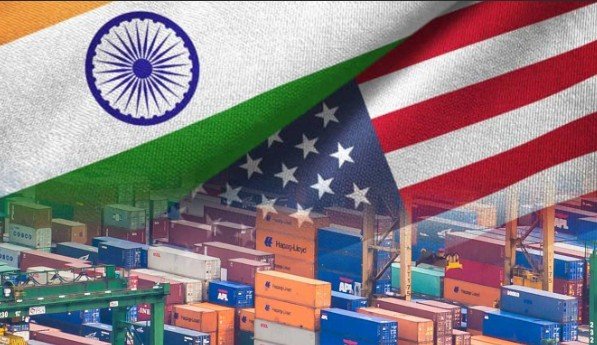
New Delhi, Feb 07 : India and the United States have finalised a framework for an Interim Trade Agreement outlining sectors set to benefit from improved access to the American market, while reaffirming their commitment to negotiate a comprehensive Bilateral Trade Agreement (BTA). The initiative, launched earlier this year by President Donald Trump and Prime Minister Narendra Modi, aims to promote balanced trade and reinforce resilient supply chains.
Tariff Relief for Major Export Sectors
The framework introduces a reciprocal tariff rate of 18% on Indian goods, with Washington indicating that duties on several products could eventually be eliminated once the interim pact is concluded. Sectors poised to gain include generic pharmaceuticals, gems and diamonds, and aircraft components—areas where Indian exporters maintain strong global competitiveness.
Boost for Aviation and Auto Component Makers
Tariffs previously imposed on certain Indian aircraft parts under national security provisions linked to metal imports will be withdrawn. Additionally, Indian manufacturers of automotive components will benefit from a preferential tariff rate quota, enhancing their position in the US market compared to non-preferred suppliers.
Pharmaceutical Access to Continue
Generic medicines and related ingredients are part of the agreement, with final terms subject to the outcome of a US review under Section 232. The provision is expected to preserve opportunities for Indian drug makers, who remain key suppliers of affordable medicines to American consumers.
Preferential Access and Clear Trade Rules
Both countries have pledged ongoing preferential market access in sectors of mutual interest and agreed to establish rules of origin to ensure that trade advantages primarily benefit the two partners. The framework also allows India flexibility to recalibrate commitments if tariff structures change.
Simplifying Standards and Compliance
Negotiations will address standards and conformity assessment procedures to ease regulatory hurdles for exporters. The effort is intended to create a more predictable trade environment and reduce compliance costs.
Room for Further Tariff Cuts
As discussions progress toward the broader BTA, the United States has indicated it will consider India’s request for deeper tariff reductions, leaving the door open for expanded trade concessions.
Focus on Technology and Secure Supply Chains
Economic security forms a core pillar of the framework, with both nations set to collaborate on investment reviews, export controls, and responses to non market policies of third countries. Trade in technology products including graphics processing units and data centre equipment is expected to expand alongside joint innovation initiatives.
Digital Trade and Future Roadmap
The agreement also addresses digital commerce, with commitments to curb discriminatory practices and develop robust rules under the eventual full trade pact. Both sides have pledged to move swiftly in implementing the framework while working toward a mutually beneficial long-term agreement.

