


Iran-Backed Houthis Enter Conflict, Escalating Risks to Global Trade
Missile strikes, rising casualties, and strategic choke points deepen crisis across Middle East
Dubai, Mar 29: The conflict in the Middle East widened further as Iran-backed Houthi forces entered the ongoing hostilities, claiming responsibility for two missile launches targeting Israel. Their involvement adds a new dimension to an already volatile situation that has drawn in multiple regional and global players.
In a parallel development, around 2,500 United States Marines have been deployed to the region, signaling a heightened military posture. Meanwhile, Pakistan announced that key regional nations are set to hold discussions aimed at finding a path to de-escalation.
The prolonged fighting has begun to severely impact global markets, particularly energy and agriculture. Concerns over supply disruptions have intensified due to tensions around the Strait of Hormuz, a critical route for oil and gas shipments. Fertiliser availability has also been affected, while air travel in the region faces increasing uncertainty.
The United States and Israel have continued coordinated strikes on Iranian positions, targeting military infrastructure. Iran has responded with missile and drone attacks aimed at Israel and nearby Gulf countries, contributing to rising casualties that have now crossed 3,000.
Ukrainian President Volodymyr Zelenskyy visited Gulf nations during the weekend, offering drone-based defence cooperation as part of broader diplomatic engagement.
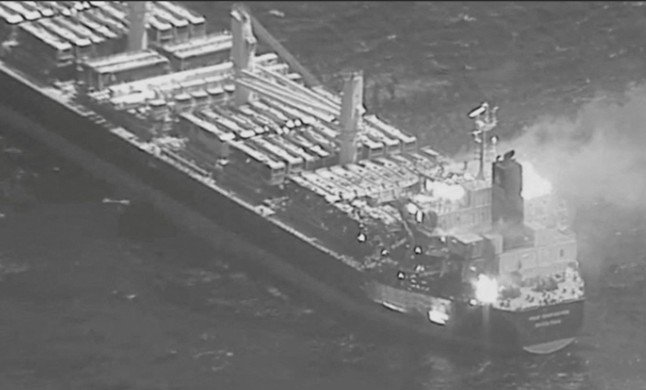
The entry of Houthi forces raises fresh concerns for maritime security, particularly in the Bab el-Mandeb Strait near the Red Sea—a key corridor handling a significant share of global trade. Any disruption in this area could further strain international supply chains.
There are, however, limited signs of relief. Iran recently agreed to permit the passage of humanitarian aid and agricultural shipments through the strait following intervention by the United Nations. At the same time, U.S. President Donald Trump has set a deadline of April 6 for Iran to fully restore access.
Reports from Tehran indicate intense airstrikes, with Israel claiming it has targeted critical naval weapons production facilities and expects to complete operations against key military sites soon. The United States has also stated it has carried out thousands of strikes against Iranian targets during the conflict.
Elsewhere, Israeli airstrikes in the Gaza Strip resulted in the deaths of six Palestinians, including security personnel, while clashes in southern Lebanon claimed the life of an Israeli soldier and left others injured. The situation continues to evolve rapidly, with fears of further escalation across multiple fronts.

