


Iran Backs Iraq’s Sovereignty as Baghdad Moves to Bring Militias Under State Control
Tehran says it supports Iraq’s constitutional decisions as Baghdad advances plans to bring armed factions under state authority.
Tehran, Aug 22: Iranian Parliament Speaker Mohammad Bagher Ghalibaf has reaffirmed Tehran’s support for Iraq’s sovereignty and constitutional framework, saying Iran does not interfere in Baghdad’s internal affairs and will respect decisions reached by Iraqi political groups and officials.
Ghalibaf made the remarks while summarising his three day visit to Iraq, during which he held discussions with senior Iraqi officials on strengthening bilateral relations across security, politics, trade and cultural cooperation, Iran’s official IRNA news agency reported.
He said Tehran would support any consensus reached by Iraqis within the framework of the country’s constitution and independence.
Iran and Iraq seek closer economic ties
Ghalibaf also highlighted plans to expand economic cooperation between the two neighbouring countries. An Iraqi Chamber of Commerce delegation is expected to visit Iran and meet with Iranian chamber experts and business representatives to discuss ways to strengthen commercial ties.
The Iranian parliamentary speaker said the visit provided an opportunity to examine a broad range of bilateral issues and deepen cooperation between Tehran and Baghdad.
A comprehensive memorandum of understanding covering security and border security was also signed during the talks, he said.
Foreign troop withdrawal discussed
Ghalibaf said his meetings with Iraqi officials also addressed the presence of foreign and coalition forces in Iraq.
According to him, Iraq is moving towards the final withdrawal of foreign forces that have remained in the country for years. He described the process as an important step towards reinforcing Baghdad’s independence and sovereign authority.
The issue has assumed greater significance as Iraqi authorities seek greater control over national security and the use of force within the country.
Baghdad moves to bring armed groups under state control
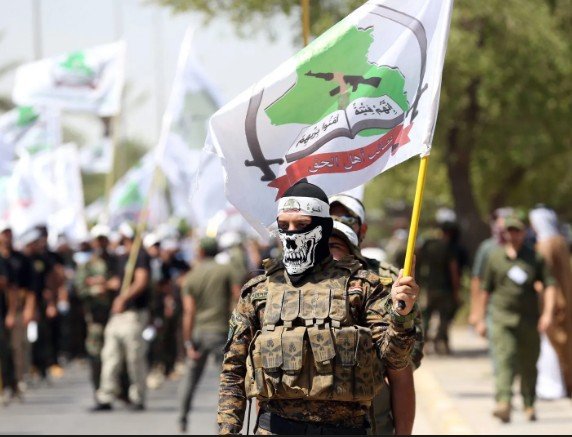
Ghalibaf’s comments come as the Iraqi government presses ahead with efforts to bring paramilitary factions under formal state security structures.
Baghdad has reportedly set September 30 as a deadline for armed groups to integrate into state institutions and give up weapons held outside government control.
The initiative primarily affects Shia armed factions, several of which have longstanding links with Iran. Iraqi authorities argue that bringing weapons under state command would strengthen national sovereignty and prevent armed groups from conducting independent military operations.
Some factions have signalled their readiness to operate under official state authority. Saraya al-Salam, Asaib Ahl al-Haq and Kataib al-Imam Ali are among the groups that have indicated varying degrees of willingness to place their forces under government command.
However, other powerful factions have resisted complete disarmament. Kataib Hezbollah and Harakat al-Nujaba have argued that retaining their weapons is necessary to maintain a resistance capability against potential foreign military attacks.
Tensions over militia weapons
The debate over the future of Iraq’s armed factions intensified following joint US-Saudi air strikes in July that targeted militia positions inside Iraq.
The strikes followed drone attacks allegedly launched from Iraqi territory against Saudi oil facilities and US forces, increasing pressure on Baghdad to prevent armed groups from using the country as a base for attacks against neighbouring states or foreign troops.
The dispute has placed the Iraqi government in a delicate position as it seeks to balance domestic security concerns, relations with Iran and the presence of US linked forces in the region.
Tehran’s latest position signals its stated preference for an Iraqi led political process while maintaining close diplomatic and economic relations with Baghdad.
Ghalibaf said strengthening Iraq’s independence and sovereignty would remain an important element of bilateral relations, while continued cooperation between the two neighbours would focus on security, trade and other areas of mutual interest.

