


Iran Blames US ‘Excessive Demands’ as Talks End Without Agreement
Limited consensus reached, but key disputes over nuclear programme and sanctions stall breakthrough despite Pakistan’s mediation
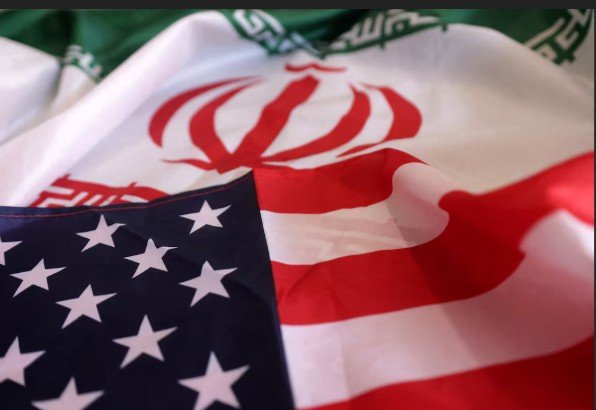
ISLAMABAD, Apr 12: High-stakes negotiations between Iran and the United States concluded without an agreement on Sunday, with Tehran blaming Washington’s “excessive demands” for the deadlock.
Iran’s Foreign Ministry spokesperson Esmaeil Baqaei stated that while discussions yielded some common ground, major differences on a few critical issues ultimately prevented a deal. He reaffirmed that Iran remains committed to pursuing diplomatic avenues to safeguard its national interests.
The American delegation, led by Vice President JD Vance, acknowledged the failure of the talks, pointing to Iran’s refusal to abandon its nuclear programme as a central obstacle. Vance noted that Washington had presented what it described as its “final and best offer,” which Tehran declined.
According to Baqaei, the negotiations facilitated by Pakistan involved intensive exchanges over a 24-hour period, covering a wide range of issues. These included the future of the Strait of Hormuz, nuclear activities, sanctions relief, war reparations, and broader regional security concerns.
He emphasised that progress in such complex diplomacy depends on mutual good faith, urging the US to avoid what he termed “unlawful demands” and to recognise Iran’s legitimate rights. Baqaei also cautioned against expecting immediate results from a single round of talks, recalling past instances of broken commitments by Washington.
Pakistan’s Deputy Prime Minister and Foreign Minister Ishaq Dar described the discussions as “intense and constructive,” expressing optimism that continued engagement could eventually lead to lasting peace and regional stability. He reiterated Islamabad’s willingness to facilitate further dialogue.
The Iranian delegation, led by Mohammad Baqir Ghalibaf, and the US team arrived in Islamabad over the weekend for what marked the first direct high-level engagement between the two nations since the 1979 Islamic Revolution.

