


Iran Ceasefire Influences RBI’s Latest Monetary Policy Call
Central bank factors in easing geopolitical tensions but flags ongoing risks to inflation, trade, and growth
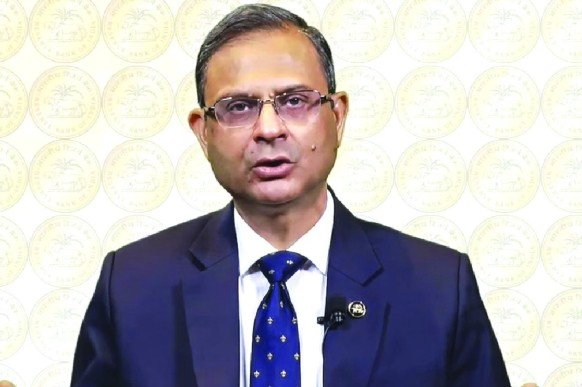
India, April 9 — The Reserve Bank of India (RBI) Governor Sanjay Malhotra on Wednesday described the recent ceasefire between the United States and Iran as encouraging, noting that the development was factored into the central bank’s latest monetary policy decision.
Speaking after the policy review, Malhotra said the announcement of the truce came shortly before the final decision was made, offering some relief amid weeks of heightened geopolitical tensions. While the full economic implications are yet to unfold, he emphasised that the ceasefire did play a role in shaping the policy outlook.
The review, part of the RBI’s scheduled calendar, marked the first global central bank response following the West Asia ceasefire. The region had witnessed nearly six weeks of conflict, beginning with coordinated actions involving the US and Israel and subsequent retaliation from Iran, raising concerns over global stability.
The six member Monetary Policy Committee (MPC), chaired by Malhotra, unanimously decided to keep the benchmark repo rate unchanged at 5.25 per cent. The panel highlighted persistent uncertainties driven by the conflict, including surging crude oil prices, pressure on the rupee, and disruptions in global trade flows.
Malhotra pointed out that financial market volatility, supply chain challenges, and slowing economic activity had created conditions resembling a crisis scenario. However, he stressed the importance of using such disruptions as an opportunity to strengthen long-term economic resilience.
He underscored the need for structural reforms, including faster adoption of electric vehicles and enhanced domestic energy production, to reduce dependence on oil imports and cushion the economy against external shocks.

